 Saudi Arabia
 United Arab Emirates
 Qatar
 Kuwait
 Oman
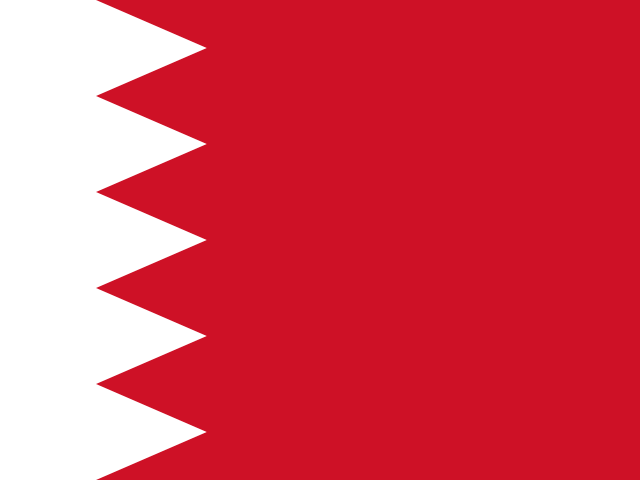 Bahrain
 Jordan
 Iraq
 Lebanon
 Syria
 Palestine
 Egypt
 Sudan
 Yemen
 Morocco
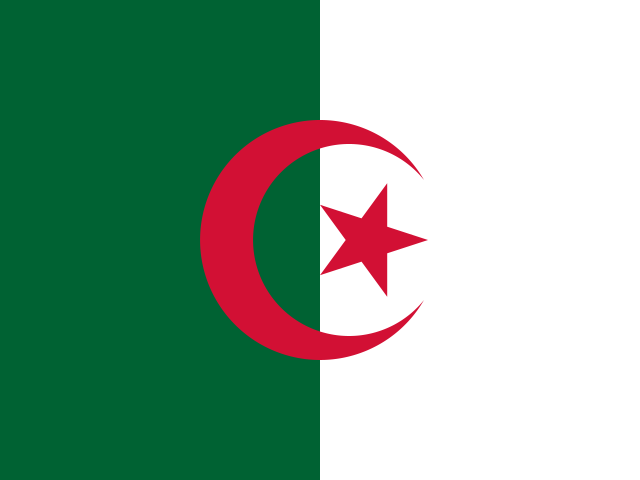 Algeria
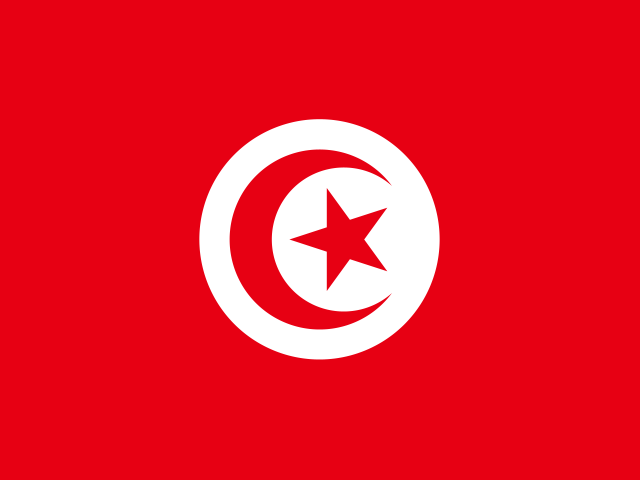 Tunisia
 Libya
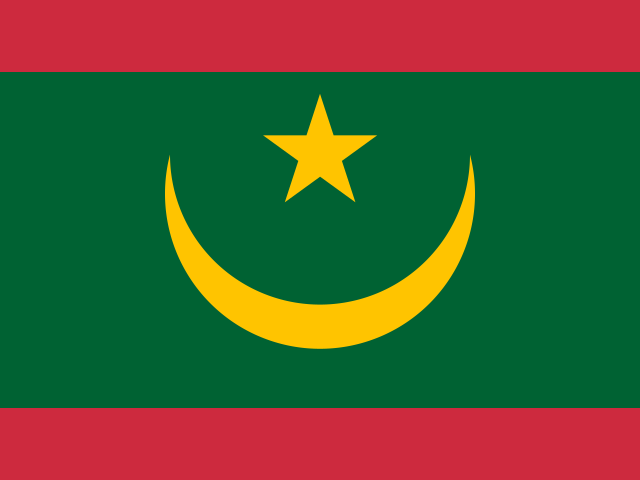 Mauritania
 Somalia
 Djibouti
 Comoros
Libya take-home pay and income tax calculator 2026
Enter your gross salary to see what reaches your bank account after income tax and social insurance, under the 2026 rules of the Tax Authority.
In Libya, a monthly salary of 2,500 Libyan dinars leaves 2,208 Libyan dinars take-home after 173 income tax and 119 social insurance (LYD), or 11.7% of gross pay.
- Calculated for a single person with a personal exemption of 1,800 dinars a year. A married person is exempt on 2,400 dinars, plus 300 per child.
- The jihad tax is not applied because we could not confirm its current status from an official source.
Salary after tax in Libya
Monthly take-home pay for common salaries, in Libyan dinar (LYD).
| Gross per month | Net per month | Deduction rate |
|---|---|---|
| 1,000 LYD | 912 | 8.8% |
| 1,500 LYD | 1,351 | 9.9% |
| 2,000 LYD | 1,780 | 11% |
| 2,500 LYD | 2,208 | 11.7% |
| 3,500 LYD | 3,065 | 12.4% |
| 5,000 LYD | 4,351 | 13% |
| 7,500 LYD | 6,494 | 13.4% |
| 10,000 LYD | 8,638 | 13.6% |
Calculated with 2026 rules for a single, full-time employee whose salary is their only income.
Income tax rates in Libya 2026
| Annual taxable income (LYD) | Rate |
|---|---|
| 0 to 12,000 | 5% |
| Over 12,000 | 10% |
The two rates apply to pay after deducting the social security contribution, the solidarity fund contribution and the personal exemption (1,800 dinars a year for a single person, 2,400 for a married person and 300 per child, according to a secondary source). The first bracket runs up to 12,000 dinars a year, that is 1,000 dinars a month.
Worked example
An employee earning 2,500 Libyan dinars a month, 30,000 a year:
- Income tax on salaries and wages: 2,078 LYD a year (173 a month).
- Social security contribution (3.75%): 1,125 LYD a year (93.75 a month).
- Social Solidarity Fund (1%): 300 LYD a year (25 a month).
- Take-home pay = 30,000 minus 3,503 = 26,498 LYD a year, or 2,208 a month.
- Calculated for a single person with a personal exemption of 1,800 dinars a year. A married person is exempt on 2,400 dinars, plus 300 per child.
- The jihad tax is not applied because we could not confirm its current status from an official source.
Key tax facts about Libya
- Tax year
- The calendar year, 1 January to 31 December 2026
- Law
- Law No. 7 of 2010 on Income Taxes
- Salary tax rates
- 5% up to 12,000 LYD a year (1,000 a month) and 10% above that
- Personal exemption
- 1,800 LYD a year for a single person, 2,400 for a married person and 300 per child (secondary source)
- Social security
- 3.75% from the employee, 10.5% from a national employer and 0.75% from the treasury
- Social Solidarity Fund
- 1% of the total income of all public and private-sector workers
- How tax is collected
- Deducted from salary every month by the employer
- VAT
- Libya has no general VAT
- Corporate tax
- 20% on taxable profits (secondary source)
Tax guide to Libya Living in Libya in figures Tax authority and filing deadline
Compare Libya with other countries
Salary questions about Libya
What is the take-home pay on 2,500 Libyan dinars in Libya in 2026?
In Libya, a monthly salary of 2,500 Libyan dinars leaves 2,208 Libyan dinars take-home after 173 income tax and 119 social insurance (LYD), or 11.7% of gross pay.
Is there income tax on salaries in Libya?
Yes. Libya taxes salaries at 5% to 10%, with a top rate of 10%. It is usually withheld at source by the employer.
How much social insurance do employees pay in Libya?
3.75% social security + 1% Social Solidarity Fund. Cap: Total contribution 15%: employee 3.75%, employer 10.5%, public treasury 0.75%. For foreign companies the employer pays 11.25%.
How much is deducted from 10,000 Libyan dinars a month in Libya?
1,363 Libyan dinars a month (13.6%), leaving 8,638 Libyan dinars. The marginal rate at this salary is 10%, so that share of any raise goes in tax.
Official sources
Every figure in this calculator comes from these sources, last checked on 2 October 2026. We could not review the text of Law No. 7 of 2010 or its executive regulation because their files on the Tax Authority website could not be downloaded, so for the 5% and 10% rates, the 12,000 dinar threshold and the personal exemption we relied on the PwC summary (a secondary source). The 1% solidarity fund contribution is confirmed by the text of the law, and the social security rates (3.75% for the employee and 10.5% for the employer) come from the Social Security Fund's own table. The PwC summary gives a higher rate (5.125%), but we followed the official source. We have not applied the jihad tax (Law No. 44 of 1970) because we found no official text confirming whether it is in force or abolished in 2026.
- Tax Authority: list of laws (Law No. 7 of 2010 on income taxes and its executive regulation are listed but the files could not be downloaded) Official source · checked 2 October 2026
- PwC Worldwide Tax Summaries, Libya: rates of 5% and 10% and the 12,000 dinar bracket (reviewed 31 May 2026) Secondary source used to cross-check · checked 2 October 2026
- PwC Worldwide Tax Summaries, Libya: personal exemptions of 1,800 and 2,400 dinars Secondary source used to cross-check · checked 2 October 2026
- Social Security Fund: contribution rates table (from 1 August 2015 to now): 15%, of which 3.75% on the insured person, 10.5% on the national employer and 0.75% on the treasury Official source · checked 2 October 2026
- PwC Worldwide Tax Summaries, Libya: gives a rate of 20.5% (5.125% for the employee), which conflicts with the Fund table Secondary source used to cross-check · checked 2 October 2026
- Decision No. 182 of 1991 of the Secretary of the People's Committee of the Social Security Fund: contribution split 25% on the insured person, 70% on the national employer and 5% on the treasury (published on the Tax Authority website) Official source · checked 2 October 2026
- Law No. 10 of 2009 amending Law No. 20 of 2007 on the Social Solidarity Fund, article 3: contribution of 1% of the total income of workers (published on the Tax Authority website) Official source · checked 2 October 2026
- Central Bank of Libya: exchange rates Official source · checked 2 October 2026
Results are estimates for information only. Your actual pay can differ with your contract, exemptions and family situation. How we calculate.
Send it to someone who needs it
Share this page in a second, or add the site to your phone so it opens with one tap, like an app.
On iPhone: tap Share in the browser, then "Add to Home Screen".
Bookmark it: Ctrl + D
Follow us on InstagramFacebook
Social insurance rates