 Saudi Arabia
 United Arab Emirates
 Qatar
 Kuwait
 Oman
 Bahrain
 Jordan
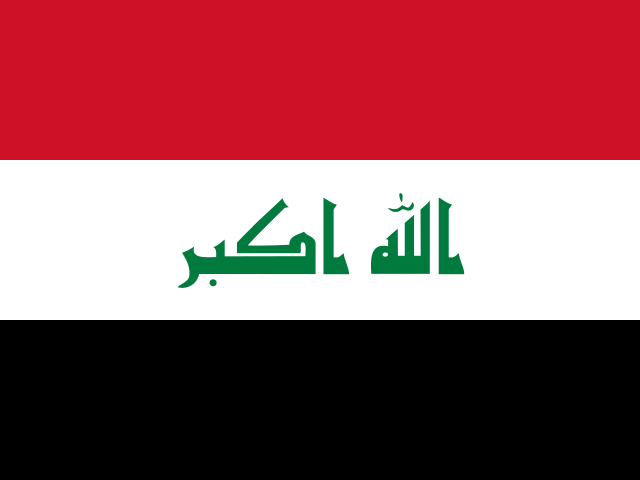 Iraq
 Lebanon
 Syria
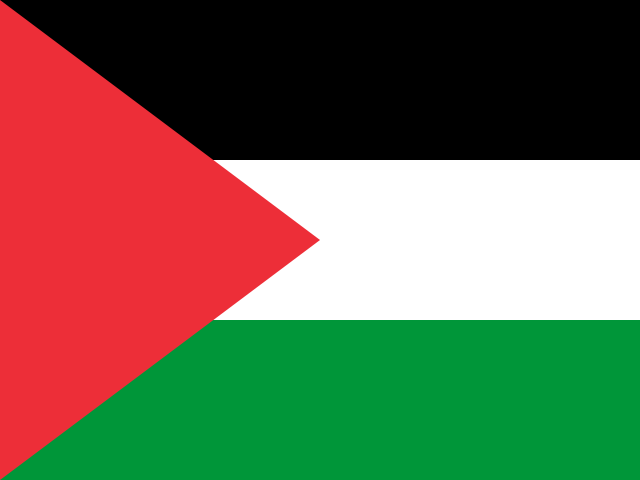 Palestine
 Egypt
 Sudan
 Yemen
 Morocco
 Algeria
 Tunisia
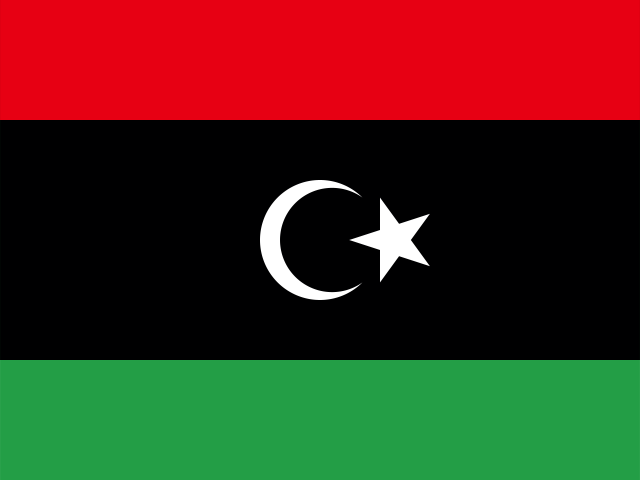 Libya
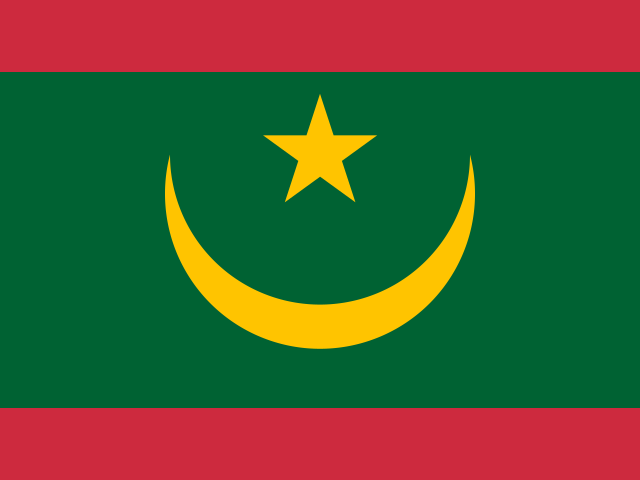 Mauritania
 Somalia
 Djibouti
 Comoros
What is the difference between gross, net and basic salary?
Three figures appear in contracts and payslips, and they are often confused:
- Basic salary: the fixed part of pay for the work, without allowances.
- Gross salary: basic pay plus all fixed and variable allowances and earnings for the month, before any deduction.
- Net salary: what actually reaches your account after deductions.
The formula is simple: net = gross minus income tax, minus the employee's social insurance share, minus any other deduction (an advance, absence, optional health insurance).
In countries with no income tax on salaries, such as the UAE and Qatar, net is very close to gross for expats. In Egypt, Jordan, Morocco and Europe the gap is larger, because income tax and social insurance are both deducted. Work out the gap for your salary on the calculators page.
Payslip items in Arabic: what each line means
A payslip is usually split into two parts: earnings and deductions.
Earnings (what you are owed):
- Basic salary.
- Housing allowance: common in the Gulf. It may be paid monthly, paid in advance for several months, or replaced by housing the employer provides.
- Transport allowance.
- Other allowances: cost of living, phone, nature of work, remote area.
- Overtime, commissions and incentives.
Deductions (what is taken off):
- Income tax, which goes by different names: tax on employment income or payroll tax in Egypt, income tax in Morocco, and income tax in Jordan.
- The employee's share of social insurance, social security or the pension fund.
- Compulsory health insurance where it exists, such as compulsory sickness insurance in Morocco.
- Advances and loans from the employer, and deductions for absence and penalties.
Net pay is the difference between the two totals. If it does not match what reached your account, the reason is usually an advance, an absence deduction, or a difference in the number of days in the month.
Why basic salary matters more in the Gulf than you think
In the Gulf, employers and employees sometimes agree on a low basic salary and large allowances. The total is the same, but the results are not:
- End-of-service gratuity: in the UAE and Qatar it is based on basic pay. The smaller the basic, the smaller the gratuity. Details in the guide to end-of-service gratuity in the GCC.
- Social insurance: in Saudi Arabia, contributions are based on basic wage plus housing allowance, not other allowances.
- Leave and compensation: some entitlements are based on basic pay or on full pay, depending on the wording of each country's law.
So when you compare two offers with the same total, compare the basic too. See the effect directly in the end-of-service calculator.
Worked example: a Saudi payslip for an expat and a national
Take a monthly salary made up of basic pay of 10,000 riyals, a housing allowance of 2,500 riyals and a transport allowance of 1,000 riyals. Gross is 13,500 riyals.
Wage subject to social insurance = basic + housing allowance = 12,500 riyals. The transport allowance is not included.
Expat employee: the employee pays no contribution. The employer pays 2% for the occupational hazards branch, so 250 riyals from the employer's pocket, not from your salary. Net is 13,500 riyals.
Saudi employee registered before 3 July 2024: pays 9% to the pensions branch and 0.75% to Saned, so 9.75% of 12,500 = 1,218.75 riyals. Net is 12,281.25 riyals.
A Saudi employee first registered after the new Social Insurance Law took effect pays a pension rate that rises step by step, so the calculator is the most accurate reference. Try your own numbers in the Saudi salary calculator.
What is deducted from salaries in each region?
A broad picture. The details are in each country's calculator:
- The Gulf: no income tax on employees' salaries. Nationals pay pension contributions. Expats usually do not, with a few exceptions shown in the comparison table. Compare the rates in the guide to social insurance in the GCC.
- Egypt: progressive income tax and an employee social insurance contribution, with a ceiling on insurable pay. See the Egypt calculator.
- The Levant: progressive income tax with personal exemptions, while social security contributions vary a lot from country to country. See the Jordan calculator and the Lebanon calculator.
- North Africa (Maghreb): progressive income tax plus social security and health insurance contributions. See the Morocco calculator and the Tunisia calculator.
- Europe and North America: progressive income tax plus pension, health and unemployment contributions, which together can take a large share of salary. See the Germany calculator.
How to work out gross if you only know net
Many people negotiate on net pay, especially when moving from one country to another. But in most countries, employment contracts are written in gross. And because tax is progressive, you cannot just add a fixed percentage to net.
The right way is to work backwards: try a gross figure, work out its net, then adjust until you reach the net you want. The gross from net calculator does this automatically for each country.
If you are comparing two offers in two countries, use the salary equivalent calculator, or read the guide to moving from the Gulf to Europe or Canada.
Common mistakes when reading a salary
- Comparing a monthly salary with an annual one: European and American offers are usually stated per year, and Arab offers per month.
- Forgetting the number of payments: some countries and companies pay 13 or 14 salaries a year.
- Treating an allowance as part of basic pay: this changes the end-of-service and social insurance calculations.
- Ignoring the employer's share: it does not show in your net pay, but it is a cost to the company, and it explains why what you cost differs from what you take home. Our calculators show it on a separate line.
- Assuming the marginal rate is the effective rate: if the highest band you reach is 25%, that does not mean a quarter of your salary goes in tax. The calculator shows both rates.
This guide explains the concepts and does not replace your official payslip. If you see a deduction you do not understand, ask your HR department to explain it.
Frequently asked questions
What does gross salary mean?
It is basic pay plus all allowances and earnings before any tax or social insurance is deducted. It is usually the figure written in the employment contract.
What is the difference between basic salary and total salary?
Basic is the fixed pay without allowances. Total or gross salary is basic plus housing, transport and other allowances. In the Gulf, some entitlements, such as end-of-service gratuity in the UAE and Qatar, are based on basic pay only.
Is housing allowance included in social insurance in Saudi Arabia?
Yes. The wage subject to social insurance contributions in Saudi Arabia is basic wage plus housing allowance. Transport and other allowances are not included.
How much is deducted from an expat's salary in Saudi Arabia?
No social insurance contribution and no income tax are deducted from an expat's salary. The employer pays 2% for the occupational hazards branch on basic wage plus housing allowance, and this is not taken from the salary.
How do I work out net salary from gross?
Subtract income tax, your social insurance share and any other deduction from gross. Because tax is progressive and social insurance has ceilings, the easiest way is to use the country's calculator on our site to get the breakdown line by line.
Why is the net pay on my payslip lower than expected?
Common reasons: an advance being repaid, an absence, fewer working days in your first month, or optional health insurance. Check the deductions on your payslip and ask HR about anything unclear.
What is the difference between the marginal and effective tax rate?
The marginal rate is the rate of the band the last part of your salary falls into. The effective rate is total tax divided by your whole salary, and it is always lower in progressive systems.
Sources
- GOSI: employer journey (components of the contributory wage and the maximum)
- GOSI: pensions (9% on contributors under the previous system)
- GOSI: Saned and occupational hazards rates
- GOSI: non-Saudis are covered by occupational hazards only
- Ministry of Human Resources and Emiratisation: Federal Decree-Law No. 33 of 2021 (Article 51)
- Qatar: Labour Law No. 14 of 2004 (Article 54)
This guide is general information, not tax advice. Rules change; check with the authority or a qualified adviser before you act. How we work.