 Saudi Arabia
 United Arab Emirates
 Qatar
 Kuwait
 Oman
 Bahrain
 Jordan
 Iraq
 Lebanon
 Syria
 Palestine
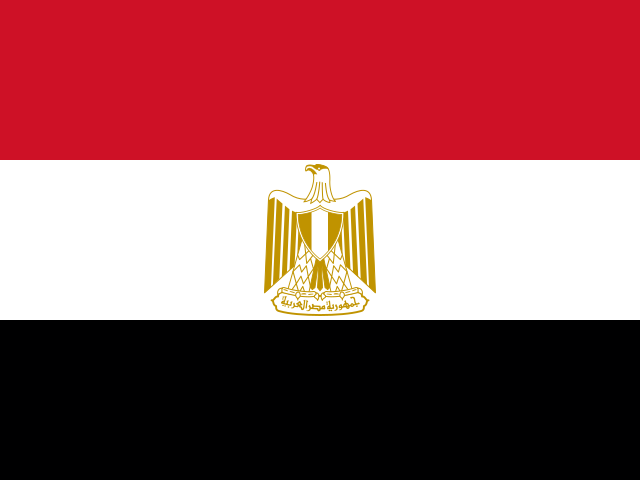 Egypt
 Sudan
 Yemen
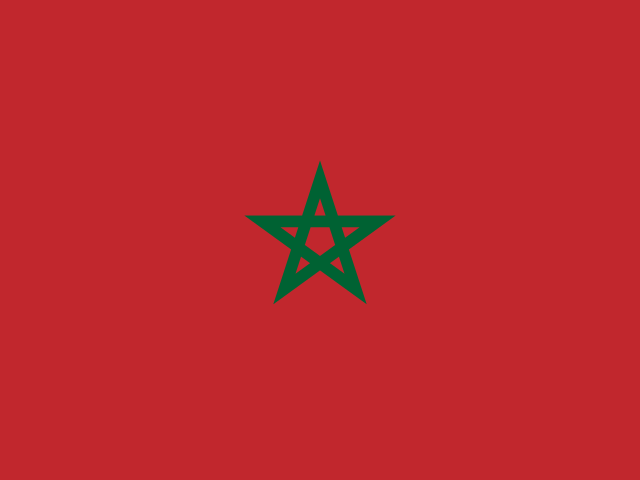 Morocco
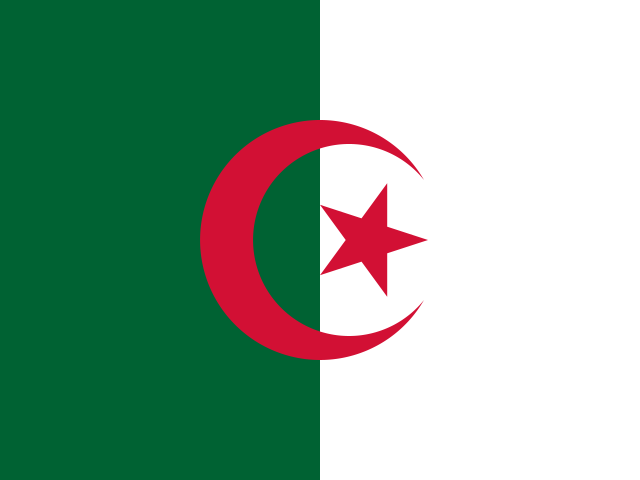 Algeria
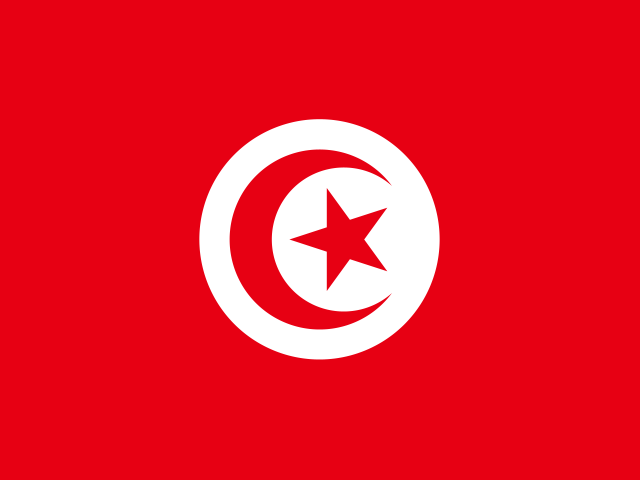 Tunisia
 Libya
 Mauritania
 Somalia
 Djibouti
 Comoros
Which countries do not tax salaries in 2026?
The list below is built automatically from this site's country data, together with what is deducted from an expat's salary in each country:
- Saudi Arabia: Expats 0%, Saudi nationals 9.75% (annuities 9% + SANED 0.75%), or 10.5% on average in 2026 for those under the new system
- United Arab Emirates: Expats 0% (apart from unemployment insurance of 5 or 10 dirhams a month), UAE nationals 5% under the old law or 11% under the new law
- Qatar: Expats 0%, Qatari nationals 7%, capped at 100,000 Qatari riyals a month
- Kuwait: Expats 0%, Kuwaitis 10.5% on the first 1,500 dinars and 8% on the part above that, up to 2,750 dinars
- Oman: Expats 0%, Omanis 8% (7.5% old age, disability and death + 0.5% job security)
- Bahrain: Expats 1% (unemployment insurance), Bahrainis 8% (7% pension + 1% unemployment)
No income tax on salaries does not mean no taxes at all. Saudi Arabia, for example, taxes the business profits of non-Saudis who run a business, and the UAE charges corporate tax on individuals once their business turnover passes a set threshold. The details are in the guide to freelancer taxes in the UAE and Saudi Arabia.
Oman has passed a personal income tax law that will apply later, and only to high earners. Read the guide to personal income tax in Oman.
How much of the salary do you really keep? Comparing $3,000
The table works out the take-home pay on a gross monthly salary of $3,000 in every country, for a single employee, and for an expat in the Gulf states:
| Country | Net from $3,000 | Deducted |
|---|---|---|
| Qatar | 3,000 | 0% |
| Saudi Arabia | 3,000 | 0% |
| Kuwait | 3,000 | 0% |
| Oman | 3,000 | 0% |
| United Arab Emirates | 2,999 | 0.1% |
| Bahrain | 2,970 | 1% |
| Palestine | 2,899 | 3.4% |
| Lebanon | 2,775 | 7.5% |
| Netherlands | 2,712 | 9.6% |
| Australia | 2,620 | 12.7% |
| Ireland | 2,601 | 13.3% |
| United States | 2,592 | 13.6% |
| Somalia | 2,586 | 13.8% |
| Libya | 2,582 | 13.9% |
| Palestine (inside the Green Line) | 2,566 | 14.5% |
| Malaysia | 2,564 | 14.6% |
| Jordan | 2,563 | 14.6% |
| United Kingdom | 2,547 | 15.1% |
| Bangladesh | 2,466 | 17.8% |
| Comoros | 2,457 | 18.1% |
| Iraq | 2,451 | 18.3% |
| India | 2,443 | 18.6% |
| New Zealand | 2,436 | 18.8% |
| Sudan | 2,434 | 18.9% |
| Canada | 2,405 | 19.9% |
| Syria | 2,387 | 20.4% |
| Indonesia | 2,378 | 20.7% |
| South Africa | 2,328 | 22.4% |
| Philippines | 2,312 | 22.9% |
| Djibouti | 2,305 | 23.2% |
| France | 2,278 | 24.1% |
| Yemen | 2,260 | 24.7% |
| Pakistan | 2,259 | 24.7% |
| Egypt | 2,205 | 26.5% |
| Nigeria | 2,192 | 26.9% |
| Morocco | 2,175 | 27.5% |
| Germany | 2,097 | 30.1% |
| Kenya | 2,034 | 32.2% |
| Turkey | 2,006 | 33.1% |
| Sri Lanka | 1,964 | 34.5% |
| Mauritania | 1,959 | 34.7% |
| Algeria | 1,934 | 35.5% |
| Tunisia | 1,838 | 38.7% |
Net monthly pay in US dollars. The table covers the 23 Arab countries and the 20 countries most Gulf hires come from.
The countries at the top of the table deduct almost nothing from an expat. But the net figure on your payslip is not the whole story. The sections below explain what leaves your pocket after the salary reaches your account.
Cost one: VAT
Tax that is not taken from your salary is partly paid when you spend. VAT is 15% in Saudi Arabia and 5% in the UAE. Qatar and Kuwait had not introduced VAT as of 2026. The other Arab rates are in the guide to VAT in Arab countries.
Worked example: an employee in Riyadh takes home 12,000 riyals and spends 6,000 riyals a month on goods and services taxed at the standard rate. The VAT included in that spending = 6,000 × 15 ÷ 115 = about 783 riyals a month, or about 9,400 riyals a year. This assumes all of it is taxed at the standard rate. Some items are exempt or zero-rated, so the figure is an upper estimate.
This is not income tax, but it is part of your income that goes back to the state. Work out any amount with the VAT calculator.
Cost two: residence and dependant fees
In the Gulf states, residence comes with costs that do not show on your payslip: issuing and renewing the residence permit, the medical test, health insurance, and visa fees when you travel. The employer pays some of these for the employee, but the cost of family members usually falls on the employee.
The bigger the family, the higher these costs, because each dependant needs their own residence permit and insurance, and some countries charge special fees for dependants. These amounts change by government decision, so we do not list them here. Check the official government platform in the country before you do the sums.
How to work it out: add up all the yearly residence fees for you and your family, divide by 12, and subtract the result from your monthly take-home pay. That is the net figure to compare against an offer in another country.
Cost three: housing and related charges
Housing is the biggest item in an expat's budget in the large Gulf cities. That is why salaries there are often split into basic pay, a housing allowance and a transport allowance.
The housing allowance in your contract is not extra money. It usually goes to the landlord. Compare the allowance with the actual rent in the area where you plan to live, and add the refundable deposit, the agent's commission and the bills for electricity, water and cooling. Some of these are paid up front when you sign the lease.
Watch how the salary is split: if the housing allowance is large and the basic pay is small, the end-of-service gratuity in some countries is worked out on the basic pay alone. Read the difference between gross and net salary.
Cost four: no pension for expats
In most Gulf states, expats do not join the state pension scheme. That raises your take-home pay today, but it means you are not building an income for old age. The legal substitute is the end-of-service gratuity: one lump sum at the end of the contract, worked out from your basic pay and years of service.
In the UAE, for example, the law gives 21 days of basic pay for each of the first five years. That is far less than a European pension scheme would build up over the same period, which is why many expats save on their own. Read the guide to the end-of-service gratuity in the Gulf and try the end-of-service calculator.
GCC nationals are a different case: they pay pension contributions from their salaries. Compare the rates in the guide to social insurance in the Gulf.
Do expats pay tax in their home country?
No tax where you work does not always mean no tax at home. Some countries tax their citizens who are tax resident there on income from anywhere, and the United States taxes its citizens wherever they live.
What matters is where you count as tax resident. Read the guide to tax residency and the 183-day rule, and if you are Egyptian, read Do Egyptians abroad pay tax in Egypt?.
In short: work out your take-home pay from the ranking of countries by take-home pay, then subtract spending taxes, residence fees and housing, and add the value of the end-of-service gratuity. The result is the figure you should really compare.
Frequently asked questions
Which Arab countries do not tax salaries?
In 2026, the UAE, Saudi Arabia, Qatar, Kuwait, Bahrain and Oman do not charge income tax on employees' salaries. The full, up-to-date list is in this guide and on the ranking page of countries with no income tax.
Do expats in Saudi Arabia pay tax on their salary?
Saudi Arabia does not tax employees' salaries, and no social insurance contribution is deducted from an expat's salary. Expats still pay 15% VAT when they spend, plus residence costs for themselves and their families.
Is a UAE salary completely tax free?
For expats, mostly yes: there is no income tax and no pension contribution. But 5% VAT is paid on purchases, there are residence and housing costs, and expats do not build a pension.
Will Oman introduce income tax for expats?
Oman has passed a personal income tax law. It targets high earners only and takes effect in a later year, not in 2026. The threshold, rate and details are in the guide to personal income tax in Oman.
Why does a Gulf salary feel higher than a European one even when the gross is lower?
Because little or nothing is deducted from an expat's salary, while in Europe progressive income tax and pension and health contributions are taken off. But European contributions build future rights, and the Gulf makes up for that only partly with the end-of-service gratuity.
Does no income tax mean I pay no tax in my home country?
Not necessarily. It depends on the tax residency rules in your home country and on whether you have other income there. Read the guide to tax residency and the 183-day rule.
Sources
- ZATCA: VAT Law (15%)
- ZATCA: Income Tax Law (Articles 2 and 7)
- UAE Ministry of Finance: Cabinet Decision No. 49 of 2023 on natural persons
- Ministry of Human Resources and Emiratisation: Federal Decree-Law No. 33 of 2021 (Article 51)
- Oman: Royal Decree 56/2025 issuing the Personal Income Tax Law
- IRS: U.S. citizens and resident aliens abroad
This guide is general information, not tax advice. Rules change; check with the authority or a qualified adviser before you act. How we work.