 Saudi Arabia
 United Arab Emirates
 Qatar
 Kuwait
 Oman
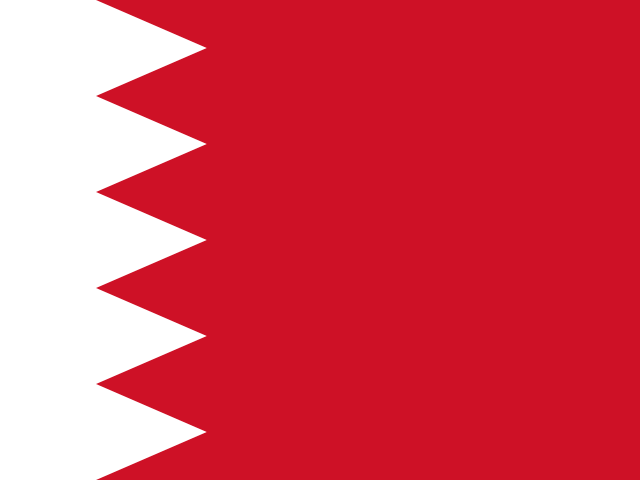 Bahrain
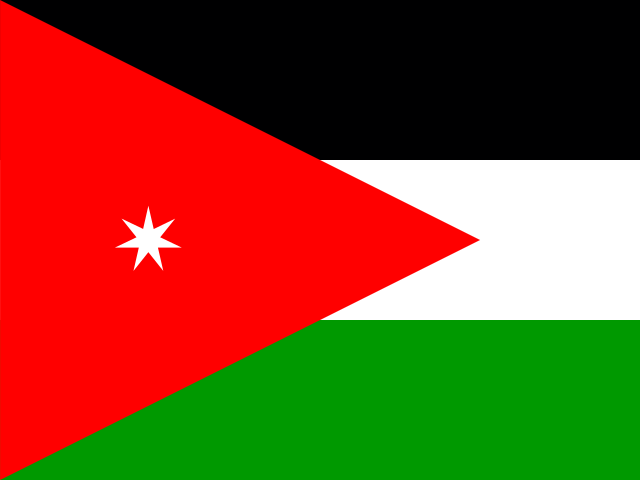 Jordan
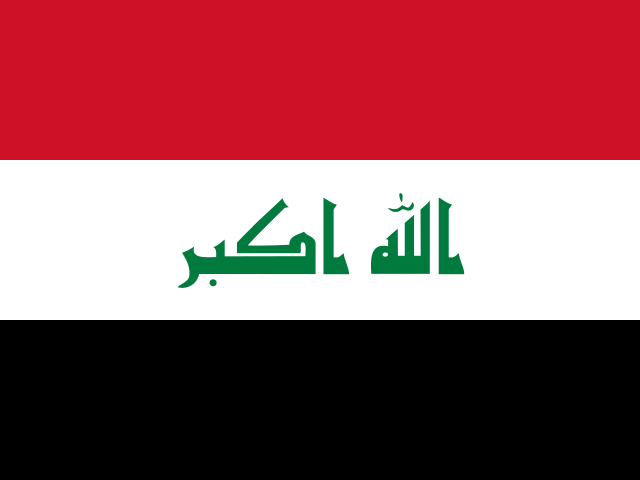 Iraq
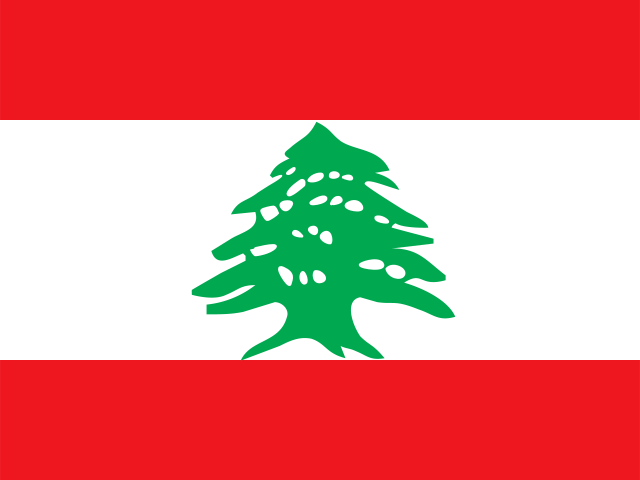 Lebanon
 Syria
 Palestine
 Egypt
 Sudan
 Yemen
 Morocco
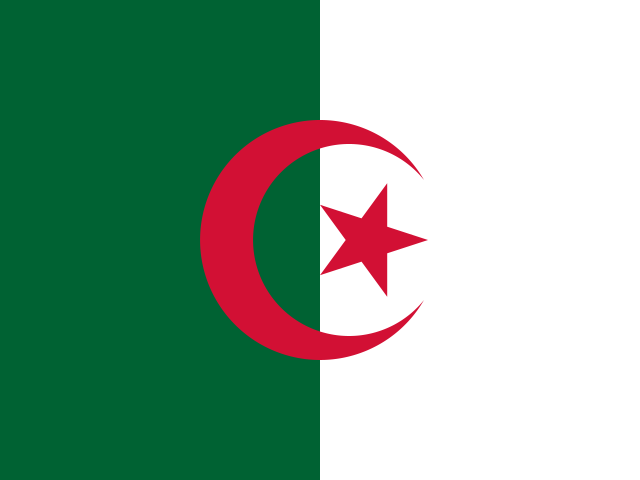 Algeria
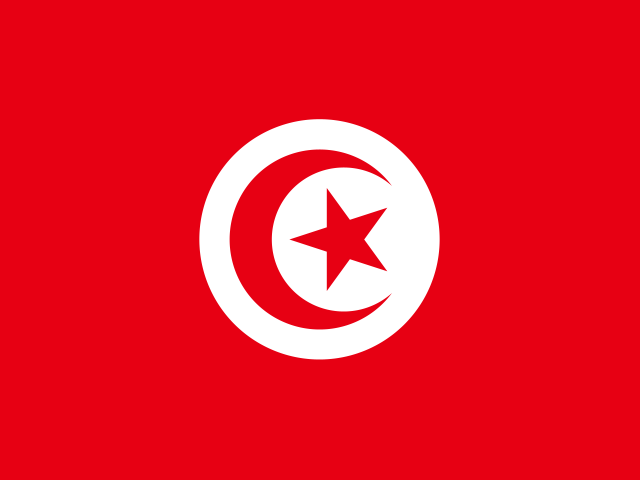 Tunisia
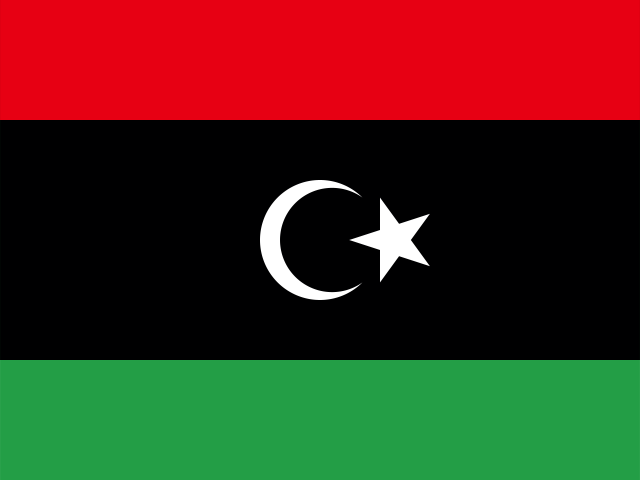 Libya
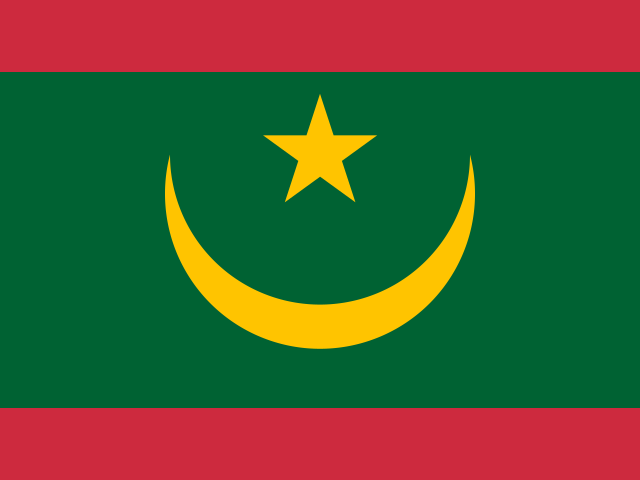 Mauritania
 Somalia
 Djibouti
 Comoros
Mauritania take-home pay and income tax calculator 2026
Enter your gross salary to see what reaches your bank account after income tax and social insurance, under the 2026 rules of the Direction Générale des Impôts.
In Mauritania, a monthly salary of 18,000 Mauritanian ouguiyas leaves 15,788 Mauritanian ouguiyas take-home after 2,063 income tax and 150 social insurance (MRU), or 12.3% of gross pay.
- The calculation does not include the compulsory health insurance (CNAM) contribution because we could not confirm its rate from an official text, so your actual net pay may be lower.
- Exempt allowances are not counted (such as family allowances, or allowances up to 1,000 ouguiyas a month other than housing and transport).
Salary after tax in Mauritania
Monthly take-home pay for common salaries, in Mauritanian ouguiya (MRU).
| Gross per month | Net per month | Deduction rate |
|---|---|---|
| 5,000 MRU | 4,950 | 1% |
| 8,000 MRU | 7,632 | 4.6% |
| 12,000 MRU | 10,998 | 8.4% |
| 18,000 MRU | 15,788 | 12.3% |
| 25,000 MRU | 21,038 | 15.9% |
| 35,000 MRU | 27,360 | 21.8% |
| 50,000 MRU | 36,360 | 27.3% |
| 80,000 MRU | 54,360 | 32.1% |
Calculated with 2026 rules for a single, full-time employee whose salary is their only income.
Income tax rates in Mauritania 2026
| Annual taxable income (MRU) | Rate |
|---|---|
| 0 to 108,000 | 15% |
| 108,000 to 252,000 | 25% |
| Over 252,000 | 40% |
The scale in the law is monthly: 15% up to 9,000 ouguiyas, 25% up to 21,000 and 40% above that, applied to pay after deducting social contributions and the exempt amount of 6,000 ouguiyas a month. The figures shown here are annual (x12).
Worked example
An employee earning 18,000 Mauritanian ouguiyas a month, 216,000 a year:
- Tax on salaries and wages (ITS): 24,750 MRU a year (2,063 a month).
- CNSS social security (1%): 1,800 MRU a year (150 a month).
- Take-home pay = 216,000 minus 26,550 = 189,450 MRU a year, or 15,788 a month.
- The calculation does not include the compulsory health insurance (CNAM) contribution because we could not confirm its rate from an official text, so your actual net pay may be lower.
- Exempt allowances are not counted (such as family allowances, or allowances up to 1,000 ouguiyas a month other than housing and transport).
Key tax facts about Mauritania
- Tax year
- The calendar year, 1 January to 31 December 2026
- Exempt amount
- 6,000 MRU a month of pay
- Monthly tax scale
- 15% up to 9,000 MRU, 25% up to 21,000 and 40% above that
- How tax is collected
- Withheld at source on payment; the employer declares and pays it before the 15th of the following month
- Tax residency
- Anyone with a permanent home in Mauritania or whose centre of vital interests is there
- Social security
- 1% from the employee and 15% from the employer, on pay up to 15,000 MRU a month (secondary source)
- CNAM health insurance
- Compulsory for private-sector employees; the rate is set by decree
- VAT
- 16% (secondary source)
- Corporate tax
- 25% of net profit or 2.5% of turnover, whichever is higher (secondary source)
Tax guide to Mauritania Living in Mauritania in figures Tax authority and filing deadline
Compare Mauritania with other countries
Salary questions about Mauritania
What is the take-home pay on 18,000 Mauritanian ouguiyas in Mauritania in 2026?
In Mauritania, a monthly salary of 18,000 Mauritanian ouguiyas leaves 15,788 Mauritanian ouguiyas take-home after 2,063 income tax and 150 social insurance (MRU), or 12.3% of gross pay.
Is there income tax on salaries in Mauritania?
Yes. Mauritania taxes salaries at 15% to 40% after an exemption of 6,000 ouguiyas a month, with a top rate of 40%. It is usually withheld at source by the employer.
How much social insurance do employees pay in Mauritania?
1% social security up to 15,000 ouguiyas a month, plus the CNAM health insurance contribution (rate not confirmed). Cap: On pay up to 15,000 ouguiyas a month (secondary source).
How much is deducted from 80,000 Mauritanian ouguiyas a month in Mauritania?
25,640 Mauritanian ouguiyas a month (32.1%), leaving 54,360 Mauritanian ouguiyas. The marginal rate at this salary is 40%, so that share of any raise goes in tax.
Official sources
Every figure in this calculator comes from these sources, last checked on 2 October 2026. The salary tax scale and the monthly exemption of 6,000 ouguiyas come from the text of the General Tax Code (2020 edition). We checked that the Finance Laws of 2025 and 2026 do not change them, and a recent PwC summary matches them, but we did not review the Finance Laws from 2021 to 2024. The 1% social security rate and its 15,000 ouguiya ceiling come from a secondary source. The CNAM health insurance contribution is compulsory, but its rate is set by a decree we could not find, so we did not deduct it. Your actual net pay may therefore be lower than the calculator shows. The exchange rate is worked out from the Bank of Algeria table.
- General Tax Code (Law 2019-018), 2020 edition published on the tax administration website: articles 110, 113 and 114 Official source · checked 2 October 2026
- Finance Law for 2026 (Ministry of Economy and Finance): its tax provisions do not change the tax on salaries and wages Official source · checked 2 October 2026
- Finance Law for 2025: its tax provisions do not change the tax on salaries and wages Official source · checked 2 October 2026
- PwC Worldwide Tax Summaries, Mauritania: the same scale and exemption (reviewed 7 August 2026) Secondary source used to cross-check · checked 2 October 2026
- PwC Worldwide Tax Summaries, Mauritania: CNSS 1% for the employee and 15% for the employer, up to 15,000 ouguiyas a month Secondary source used to cross-check · checked 2 October 2026
- PwC Worldwide Tax Summaries, Mauritania: VAT 16% and corporate tax 25% Secondary source used to cross-check · checked 2 October 2026
- Law 2012-007 extending health insurance (CNAM) to the private sector: the contribution rate is set by decree Official source · checked 2 October 2026
- Bank of Algeria: daily exchange rates (cross rate for the ouguiya) Secondary source used to cross-check · checked 2 October 2026
Results are estimates for information only. Your actual pay can differ with your contract, exemptions and family situation. How we calculate.
Send it to someone who needs it
Share this page in a second, or add the site to your phone so it opens with one tap, like an app.
On iPhone: tap Share in the browser, then "Add to Home Screen".
Bookmark it: Ctrl + D
Follow us on InstagramFacebook
Social insurance rates