 Saudi Arabia
 United Arab Emirates
 Qatar
 Kuwait
 Oman
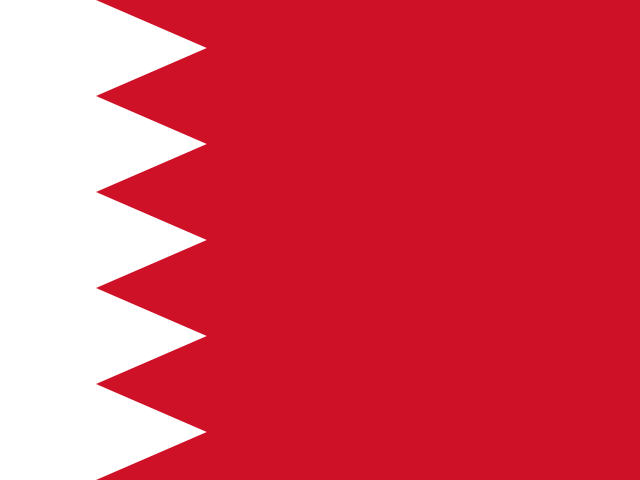 Bahrain
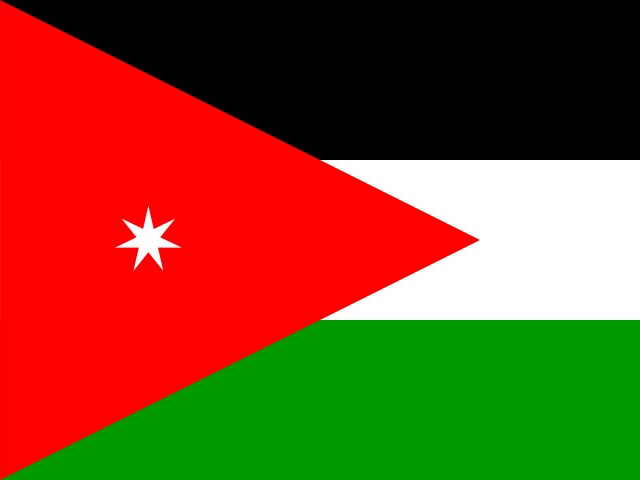 Jordan
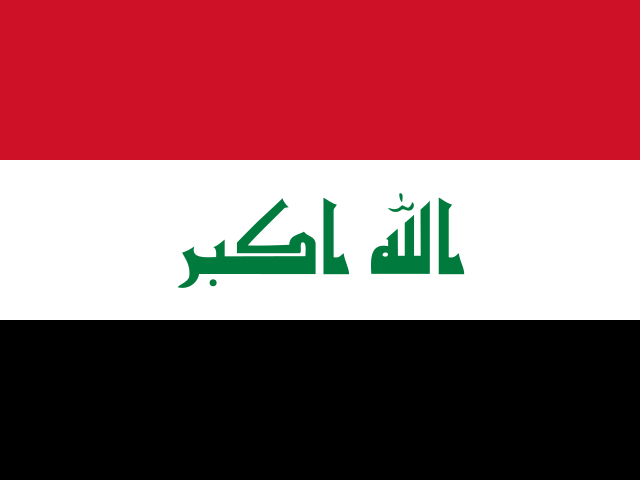 Iraq
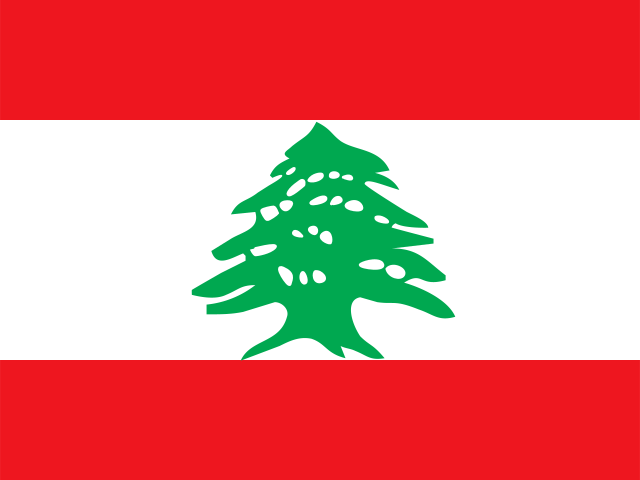 Lebanon
 Syria
 Palestine
 Egypt
 Sudan
 Yemen
 Morocco
 Algeria
 Tunisia
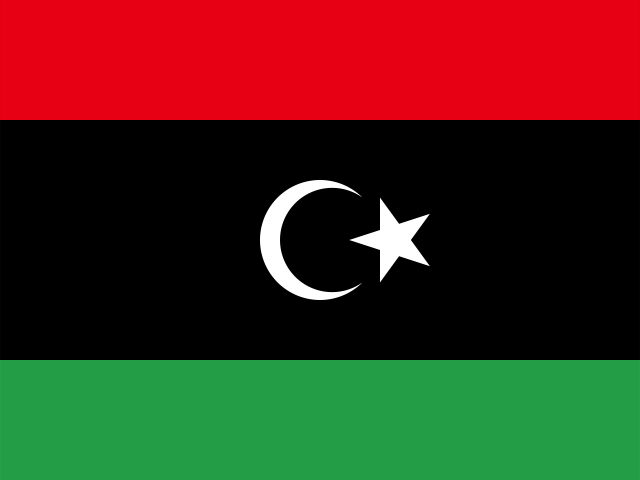 Libya
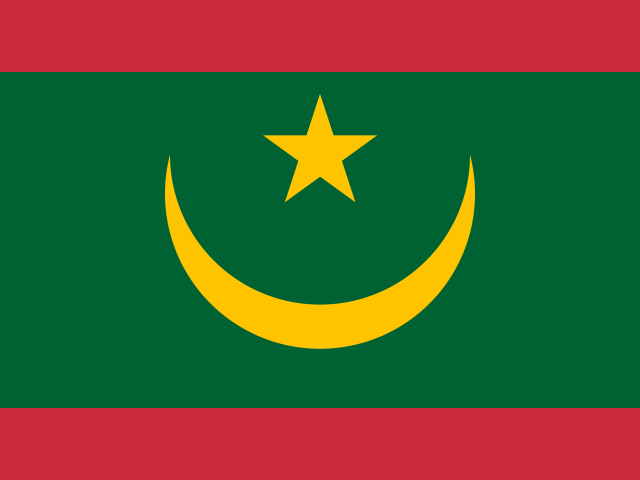 Mauritania
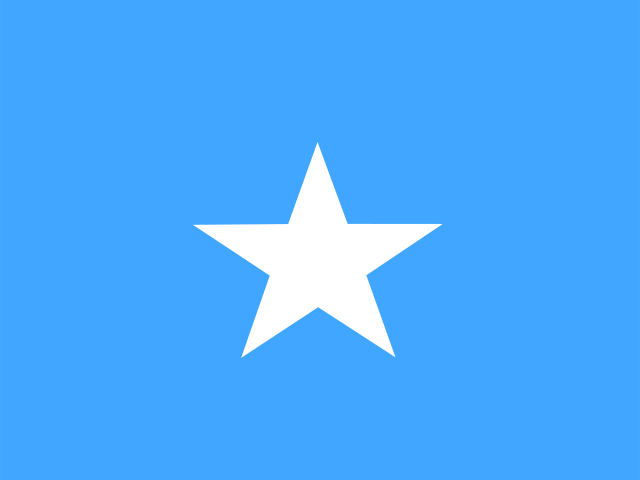 Somalia
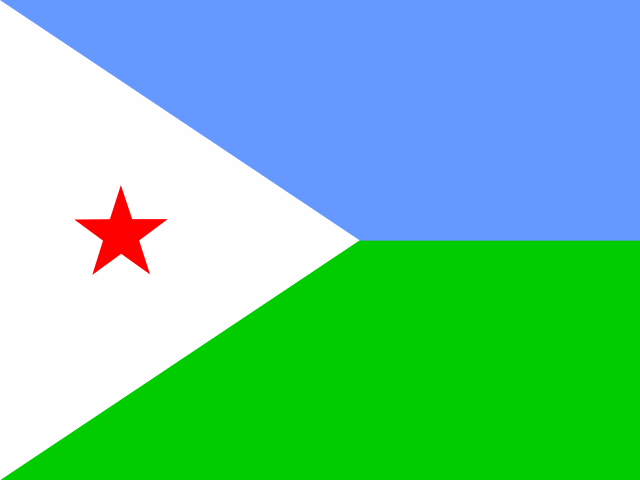 Djibouti
 Comoros
How is income tax on salary worked out in Comoros?
Comoros charges personal income tax (IRPP) on a person's total net income, including salaries and wages. Article 59 of the General Tax Code sets out how to get to net salary: first deduct pension and social security contributions, up to 6% of gross salary, then deduct a flat 30% for work expenses.
The bands in Article 97 then apply to the net amount: zero up to 150,000 francs a year, 5% up to 500,000, 10% up to 1,000,000, 15% up to 1,500,000, 20% up to 2,500,000, 25% up to 3,500,000 and 30% above that.
Example: a salary of 100,000 francs a month is 1,200,000 a year. After the 30% deduction, 840,000 is left. Tax is 5% of 350,000 = 17,500, plus 10% of 340,000 = 34,000, a total of 51,500 francs a year, or about 4,292 francs a month.
Why is only 70% of salary taxed?
The flat 30% deduction for work expenses is large compared with most countries, and it makes the real burden lighter than the bands suggest. Instead of the flat deduction, an employee can prove their actual expenses, but must then add to their income every allowance that covers those expenses.
Article 56 exempts allowances meant to cover the costs of the job, as long as they are actually used for that purpose and are not excessive, as well as family allowances, compensation for work accidents and study grants.
Is social security deducted from salary?
Tax law lets you deduct pension and social security contributions from the taxable base, up to 6% of gross salary. However, we could not find an official source setting the current employee contribution rates in Comoros, so the calculator does not deduct them.
If your payslip shows a deduction for social security or pension, your net pay will be lower than the calculator's result, and your tax slightly lower, because the contribution comes off the taxable base.
How does family affect tax?
Comorian law uses the idea of the tax household: Article 51 taxes the head of the household on his own income and that of his wife or wives and dependent children. However, Article 52 lets him choose separate taxation for a family member who has income from their own work.
The table has no exemptions for children, and the calculator assumes a person taxed alone on salary income only.
What about non-residents and Comorians abroad?
Anyone whose tax domicile is outside Comoros pays tax only on income from a Comorian source. Government employees working abroad are treated as tax residents if they are not taxed in the country where they work.
A Comorian who works in France or the Gulf for a foreign employer and lives there is usually not taxed in Comoros on that salary, unless their tax domicile remains in Comoros under the tests in Article 45.
Which other taxes affect your salary?
Consumption tax is charged at 10% on most goods and services, with a zero rate on basic goods set by the Minister of Finance. Small businesses pay a single business tax instead of income tax.
The Comorian franc is pegged to the euro at a fixed 491.96775 francs per euro, so the dollar value of a salary moves with the euro against the dollar.
Practical tips
Check that your employer applied the flat 30% deduction before working out the tax, because it is a direct right under the law. If your only income is salary taxed at source, you do not need to file an annual return.
This calculator gives an estimate with low confidence, because it does not include social security or changes made by finance laws after 2023. Check with the Directorate General of Taxes for special cases.
For expats
A large Comorian community lives in France and Mayotte, and the money it sends home is an important source of income for families. Personal remittances are not salary taxable in Comoros, and anyone whose tax domicile has moved abroad is taxed in Comoros only on income from a Comorian source, under Article 45. Because the franc is pegged to the euro, money sent from the eurozone keeps a stable value. Article 45 also gives priority to the terms of any double taxation agreements that exist.
Income tax rates
| Annual taxable income (KMF) | Rate |
|---|---|
| 0 to 150,000 | 0% |
| 150,000 to 500,000 | 5% |
| 500,000 to 1,000,000 | 10% |
| 1,000,000 to 1,500,000 | 15% |
| 1,500,000 to 2,500,000 | 20% |
| 2,500,000 to 3,500,000 | 25% |
| Over 3,500,000 | 30% |
Annual scale from article 97 of the General Tax Code. It applies to net salary after deducting social contributions (up to 6% of gross) and then a flat 30% for professional expenses, so in practice about 70% of the salary is taxed on the scale.
Other taxes that matter in Comoros
Capital gains
Under the General Tax Code (2023 edition), net gains on selling shares, bonds and stakes in Comorian companies are taxed at 15%, paid before the sale deed is registered (Article 72 bis). For individuals' gains on selling property, the registration office withholds 20% as a final tax (Articles 80 and 115).
Dividends
Dividends are subject to the tax on income from securities, which the payer withholds at source at 10% (Article 109). For an individual this withholding is not final: the dividends are added to total income, which is taxed on the progressive scale from 5% to 30%, and the amount withheld is credited against it (Articles 44 and 73).
Crypto
We found no published law or circular from the Central Bank of the Comoros that regulates or bans cryptocurrency, and the General Tax Code has no specific rules on it. Its legal and tax position is unsettled.
Inheritance
The General Tax Code charges transfer duties on death and on gifts on each heir's share (Article 299): 5% to 15% for parents, children and spouses, 30% between siblings, 40% for uncles, aunts and cousins, and 60% for non-relatives. Estates of Muslims are divided under the Islamic inheritance rules in the Family Code.
Property and wealth
There is no wealth tax. Municipalities charge an annual property tax: fixed amounts for homes (for example 3,000 Comorian francs for a house with outbuildings and 1,000 francs for a residential building without them), and 1% of the value of business premises. New homes are exempt for two years (Articles 185 to 192).
Tax residency
Under Article 45 of the General Tax Code, an individual has a tax domicile in Comoros if their home or main place of residence is there, if they carry on a professional activity there that is not secondary, or if their centre of economic interests is there. The article sets no number of days. A non-resident is taxed only on income from a Comorian source. We found no published official procedure for getting a tax residency certificate from the Directorate General of Taxes.
Retirement and pensions
Pensions and life annuities are subject to income tax like salaries, and are treated as received in Comoros if the payer is resident there (Article 55). Capital paid as a pension or as compensation on death is exempt (Article 56). We could not confirm how foreign pensions are treated from an explicit text, and there is no retirement visa.
Cost to the employer
We could not confirm employer social security contribution rates from an official source. Secondary sources give scattered rates (including 12% for pensions and 3% for family benefits) with no clear legal basis, so we do not rely on them.
Social insurance
There are no mandatory social insurance contributions on employees in the standard case.
Work out your own pay in Comoros
Instant result, monthly and yearly, with every deduction itemised.
Common questions about taxes in Comoros
How much is salary tax in Comoros?
It is charged on 70% of salary after the flat deduction, using an annual table: 0% up to 150,000 francs, then 5%, 10%, 15%, 20% and 25%, and 30% above 3,500,000 francs. A salary of 100,000 francs a month pays about 51,500 francs a year.
What is the tax-free threshold in Comoros?
Under Article 47, anyone whose taxable income is no more than 150,000 francs a year pays no income tax. With the flat 30% deduction, that means a gross salary of up to about 214,000 francs a year.
What is the flat 30% deduction in Comoros?
It is a deduction Article 59 gives every employee for work expenses. It is worked out on salary after social contributions are deducted, and no receipts are needed. You can prove your actual expenses instead.
Do employees in Comoros have to file a tax return?
Not if their only income is salary or pensions taxed at source. People with other income file a return by 31 March each year.
What is the Comorian franc exchange rate?
The Comorian franc is pegged to the euro at a fixed 491.96775 francs per euro. At the euro reference rate on 2 October 2026, one US dollar is about 438 francs.
What is the consumption tax rate in Comoros?
The general consumption tax rate is 10% under Article 152 of the General Tax Code, with a 0% rate on basic goods set by decree of the Minister of Finance.
Why does the calculator not deduct social security in Comoros?
Because we found no available official source setting the current employee contribution rate, and we would rather leave the item out than guess a figure. Tax law lets these contributions come off the taxable base, up to 6% of salary.
Are a married couple's incomes combined for tax in Comoros?
The general rule in Article 51 is that the head of the household is taxed on his own income and that of his wife and dependent children, but Article 52 allows separate taxation for a family member with income from their own work. A wife is taxed separately in the cases of separation listed in Article 53.
Sources
- General Tax Code 2023 of the Union of the Comoros, articles 44 to 60, 97, 104, 105, 152 and 33 (tax administration; Internet Archive copy because the site did not respond) Official source · checked 2 October 2026
- Central Bank of the Comoros: fixed parity 1 euro = 491.96775 Comorian francs Official source · checked 2 October 2026
- European Central Bank: euro reference rate against the dollar, 2 October 2026 Official source · checked 2 October 2026