 Saudi Arabia
 United Arab Emirates
 Qatar
 Kuwait
 Oman
 Bahrain
 Jordan
 Iraq
 Lebanon
 Syria
 Palestine
 Egypt
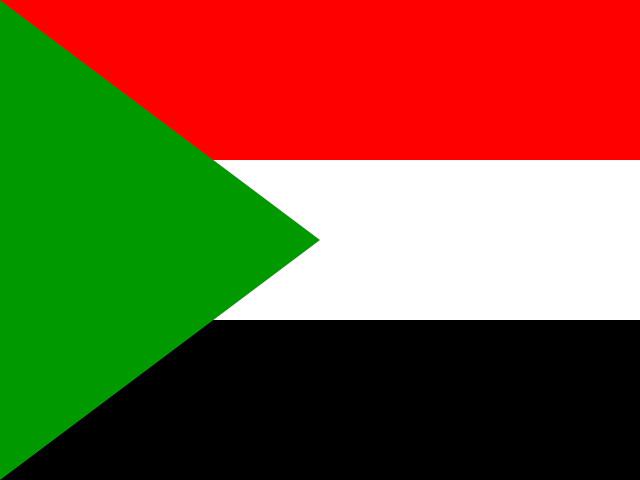 Sudan
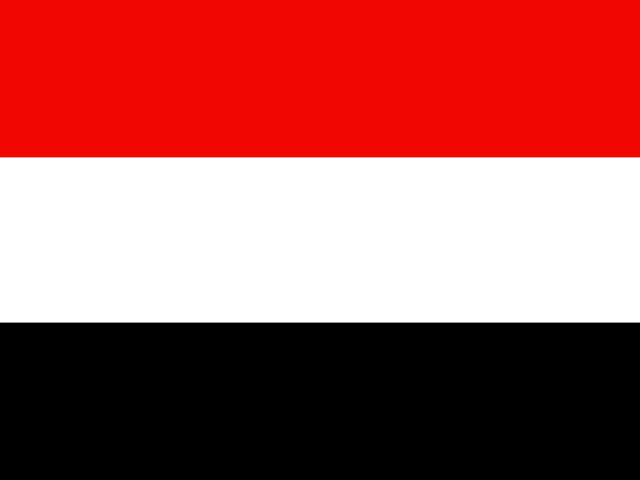 Yemen
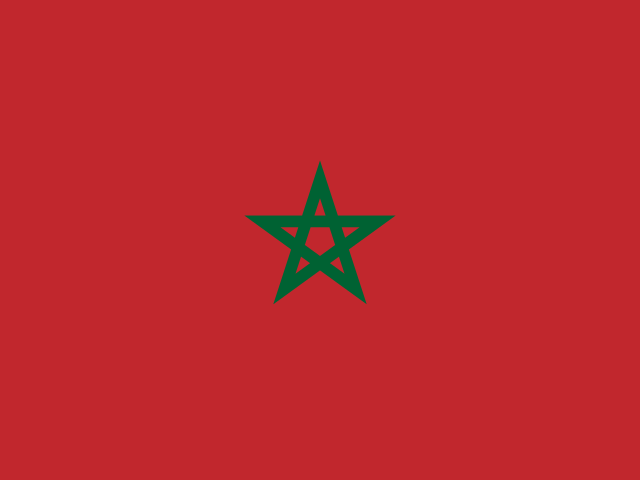 Morocco
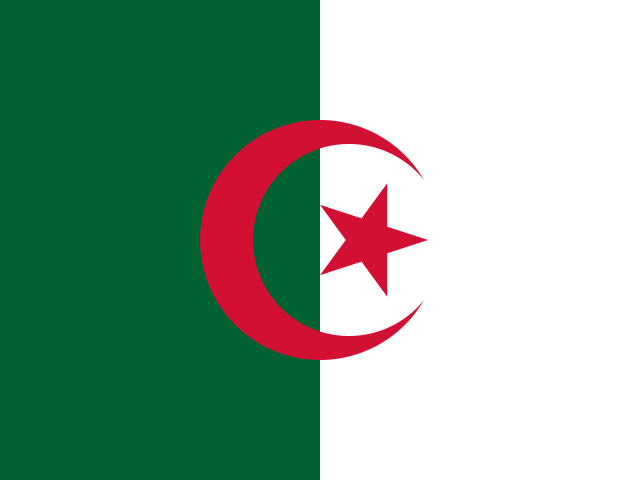 Algeria
 Tunisia
 Libya
 Mauritania
 Somalia
 Djibouti
 Comoros
How is payroll tax worked out in Djibouti?
In Djibouti the tax is called the tax on salaries and wages (ITS). The General Tax Code says it is worked out every month on the salary paid that month, and the employer deducts it. The taxable base includes salary, allowances, bonuses and benefits in kind such as staff housing.
Article 6 lets you subtract compulsory pension deductions and contributions to the National Social Security Fund. Article 14 then drops any fraction below 5,000 francs, so the base is rounded down to the nearest 5,000. After that the bands in Article 15 apply.
Example: a salary of 100,000 francs a month. Social security is 6,000, leaving 94,000, which rounds down to 90,000. Tax is 600 on the first 30,000, 3,000 on the next 20,000 and 7,200 on the remaining 40,000, a total of 10,800 francs, leaving 83,200 francs net.
Why is there no tax-free band in Djibouti?
Unlike most Arab countries, Djibouti's law gives no personal allowance or zero band on salaries. The first band is taxed at 2%, so even people on low salaries pay a small amount.
Article 12 says the taxable base is set for each taxpayer regardless of family situation and commitments. However, Article 5 exempts allowances and grants based on family situation, and the reimbursement of work expenses backed by receipts.
How much do the employee and the employer pay for social security?
The National Social Security Fund (CNSS) says contributions make up 21.7% of total pay: 5.5% for family benefits, 8.2% for health care and work accidents, and 8% for pensions. Family benefits and work accidents are paid by the employer alone, pensions are split 4% and 4%, and health care is 5% for the employer and 2% for the employee.
So the employee pays 6% and the employer pays 15.7%. Contributions are charged on all pay, including allowances, bonuses and benefits in kind, with a minimum wage base of 20,000 francs for business employers and 15,850 francs for employers of domestic workers.
Did payroll tax change in 2026?
We found no change to the payroll tax table. The Finance Law for 2025 amended articles on registration, customs and other areas, but did not touch Article 15. The band table shown here is the same as in the 2015 edition of the General Tax Code published on the Ministry of Budget website.
Because we have not seen every finance law between 2016 and 2026, we suggest checking with the Directorate General of Taxes in any sensitive case.
What about foreign workers and short-term employees?
Article 7 taxes salaries received for work done inside Djibouti, whatever the employee's nationality. Exceptions are members of the diplomatic corps accredited in Djibouti and seconded staff of French technical assistance.
For anyone who works less than a full month, Article 16 sets tax at a flat rate of at least 15% of the whole wage paid in the month.
How are benefits in kind such as housing valued?
Article 17 says benefits in kind are valued at their real value. Free staff housing is valued at the rental value used for property tax. If the employer rents the home, it is valued at the actual rent paid, minus whatever the employee pays.
So housing or a car provided by the employer can raise your taxable base and move you into a higher band.
Practical tips
Because tax is worked out monthly, a large bonus paid in one month may be taxed at the top bands. Article 10 lets anyone who receives salary arrears of more than half their monthly taxable income ask for them to be spread over the months they relate to.
Because the franc is pegged to the dollar, the dollar value of a salary stays almost fixed: 100,000 francs is about 563 dollars. This calculator is not tax advice.
For expats
A foreign worker in Djibouti pays the same payroll tax as a citizen as long as the work is done inside Djibouti, because Article 7 makes no distinction by nationality. The franc's fixed peg to the dollar keeps the value of money sent home stable, and payroll tax does not apply to the transfers themselves. A Djiboutian working in the Gulf or Yemen follows the rules of the country where they work, because Djibouti's payroll tax covers salaries received for work done inside Djibouti.
Income tax rates
| Annual taxable income (DJF) | Rate |
|---|---|
| 0 to 360,000 | 2% |
| 360,000 to 600,000 | 15% |
| 600,000 to 1,800,000 | 18% |
| 1,800,000 to 7,200,000 | 20% |
| Over 7,200,000 | 30% |
Tax on salaries in Djibouti is monthly, and the scale shown is the monthly scale multiplied by 12. Monthly brackets: 2% on the first 30,000 francs, then 15% up to 50,000, 18% up to 150,000, 20% up to 600,000 and 30% above that. The social security contribution is deducted first, then any fraction below 5,000 francs of the monthly base is ignored.
Other taxes that matter in Djibouti
Capital gains
The General Tax Code charges a levy on gains from property, paid by the notary when the property sale deed is drawn up, under Article 69 as amended by the Finance Law for 2012. We could not confirm its rate, or how gains on selling shares are taxed for individuals, from an official source, because the tax administration does not publish an updated version of the code.
Dividends
Income from securities is subject to a special tax under the General Tax Code, but we could not confirm from an official source the rate that applies to dividends paid to a resident individual. Secondary sources say the Finance Law for 2025 removed some withholding exemptions on dividends.
Crypto
Secondary sources say the Central Bank of Djibouti issued Circular No. 2025-01 to license crypto asset service providers. We could not find it on the bank's website. There are no published tax rules for individuals' gains from cryptocurrency.
Inheritance
Unofficial aggregator websites say Djibouti does not tax inheritances. We could not confirm this from an official source, and registration fees may be due when ownership of property is transferred. Estates of Muslims are divided under the Islamic inheritance rules in the Family Code.
Property and wealth
There is no known annual wealth tax on individuals. The General Tax Code includes a property tax on buildings and land, but we could not confirm its current rates from an official source.
Tax residency
We could not confirm the tax residency test for individuals (such as a 183-day period or a main home) from an available official text of the General Tax Code. We found no published official procedure for getting a tax residency certificate from the tax directorate.
Retirement and pensions
The National Social Security Fund pays normal, early and proportional retirement pensions and a widow's pension. We could not confirm how local or foreign pensions are taxed, and there is no dedicated retirement visa.
Cost to the employer
According to the National Social Security Fund, total contributions are 21.7% of pay. The employer alone pays 5.5% for family benefits, 5% for health care and 1.2% for work accidents (within the 8.2% for health care and work accidents), plus 4% for pensions, a total of 15.7%. The worker pays 4% for pensions and 2% for health care. The minimum wage base is 20,000 Djiboutian francs for business employers, and the website gives no ceiling on pay.
Social insurance
| Contribution | Employee | Employer | Applies to | Cap |
|---|---|---|---|---|
| Retirement (old age, disability and survivors) | 4% | 4% | All employees | No published cap, minimum pay base of 20,000 francs a month |
| Healthcare and work accidents | 2% | 6.2% | All employees | No published cap |
| Family benefits | 0% | 5.5% | All employees | No published cap |
Work out your own pay in Djibouti
Instant result, monthly and yearly, with every deduction itemised.
Common questions about taxes in Djibouti
How much is salary tax in Djibouti?
Tax is monthly, in bands: 2% on the first 30,000 francs, 15% up to 50,000, 18% up to 150,000, 20% up to 600,000 and 30% above that, after the social security contribution is deducted.
Is there a tax-free allowance in Djibouti?
No. The first band is taxed at 2% from the first franc, there is no personal allowance, and your family situation does not change the base. Family allowances themselves are exempt, though.
What is the CNSS rate for employees in Djibouti?
6% of pay: 4% for pensions and 2% for health care. The employer pays 15.7%, bringing the total to 21.7%, according to the National Social Security Fund website.
What is the net pay on a salary of 100,000 Djiboutian francs?
6,000 francs is deducted for social security and 10,800 francs for tax, so net pay is 83,200 francs a month, about 468 dollars.
Is social security deducted before tax in Djibouti?
Yes. Article 6 of the General Tax Code lets you subtract compulsory pension deductions and CNSS contributions from the monthly salary before tax is worked out.
What is the Djiboutian franc exchange rate against the dollar?
It is fixed at 177.721 francs per dollar, under the currency board system announced by the Central Bank of Djibouti.
What is the VAT rate in Djibouti?
The standard rate is 10%. It applies to all taxable transactions except those the law exempts.
How are salary arrears taxed in Djibouti?
Arrears are added to the salary for the month they are paid in. But if they are more than half of monthly taxable income, Article 10 lets the employee ask for them to be spread over the months they relate to, which usually means a lower rate.
Sources
- General Tax Code 2015, articles 3 to 17 (Ministry of Budget) Official source · checked 2 October 2026
- Initial Finance Law for 2025 (loi n° 150/AN/24/9ème L), tax provisions Official source · checked 2 October 2026
- CNSS Djibouti: declaring and paying contributions Official source · checked 2 October 2026
- CNSS Djibouti: how the fund is financed Official source · checked 2 October 2026
- Central Bank of Djibouti: fixed exchange rate of 177.721 francs to the dollar Official source · checked 2 October 2026