 Saudi Arabia
 United Arab Emirates
 Qatar
 Kuwait
 Oman
 Bahrain
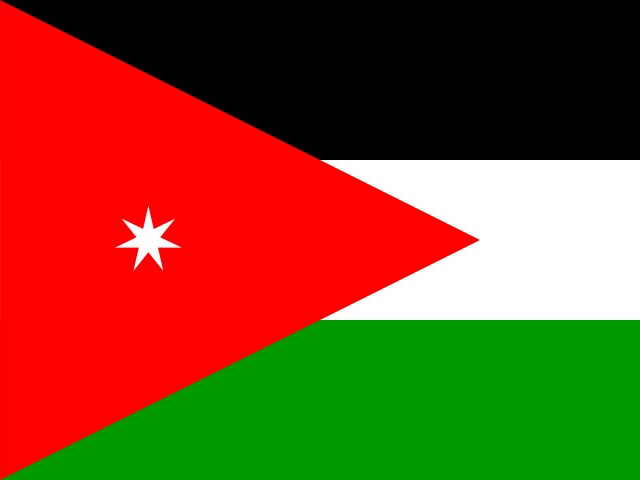 Jordan
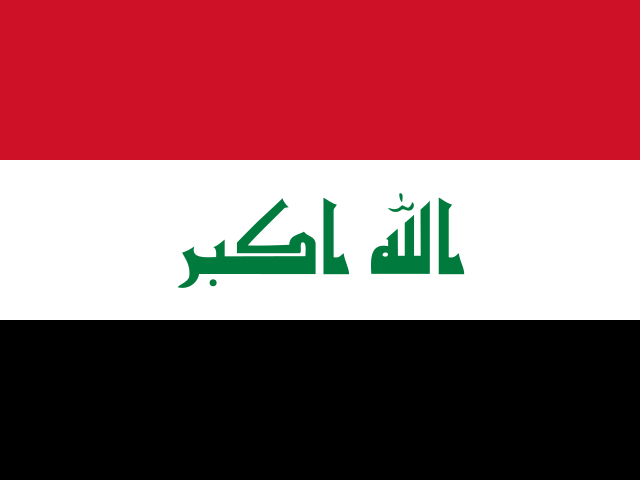 Iraq
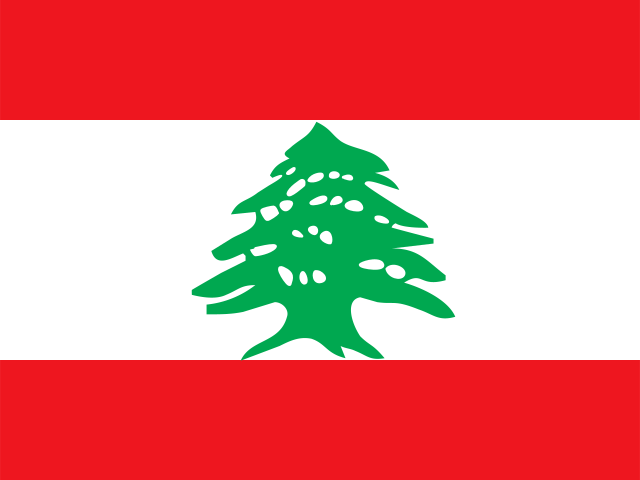 Lebanon
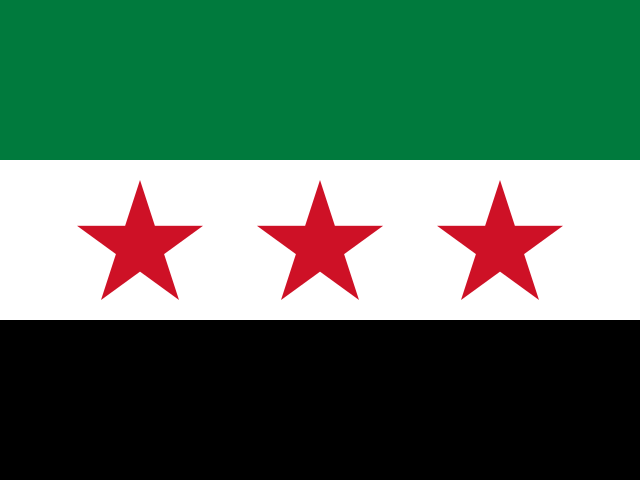 Syria
 Palestine
 Egypt
 Sudan
 Yemen
 Morocco
 Algeria
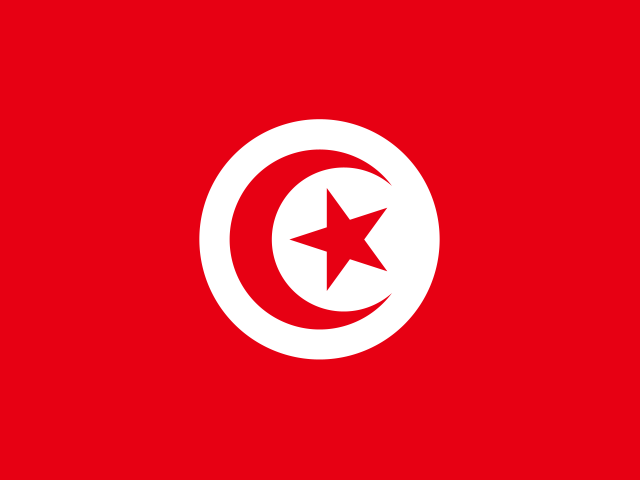 Tunisia
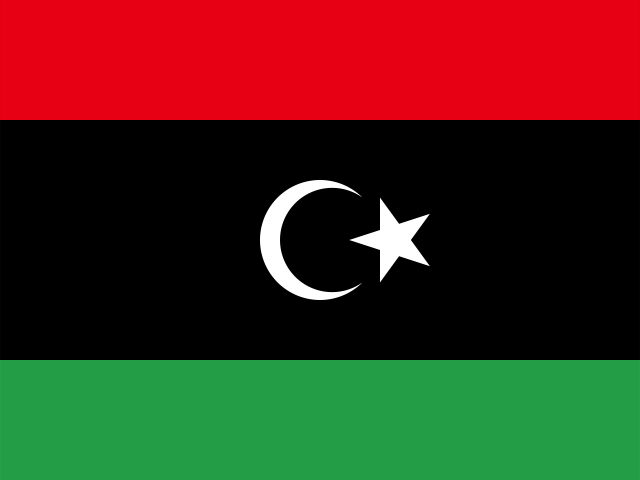 Libya
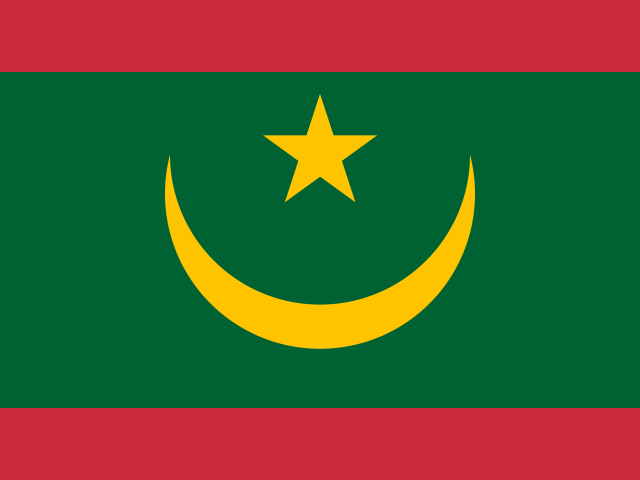 Mauritania
 Somalia
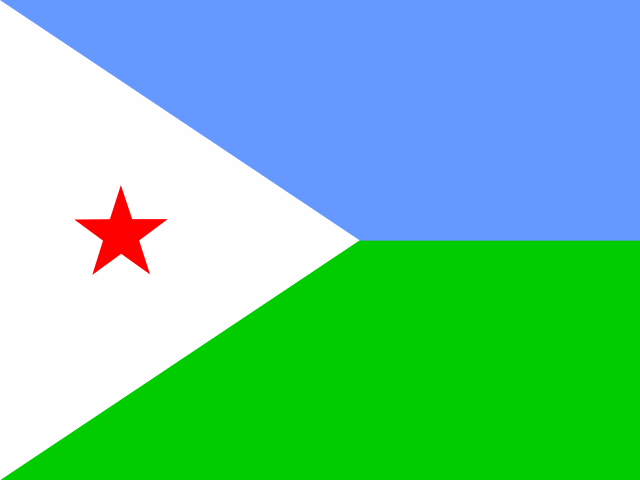 Djibouti
 Comoros
How is income tax on salary worked out in Palestine?
Income tax in the Palestinian Authority areas is governed by Decree-Law No. 8 of 2011, as amended. Start with your gross annual salary, then subtract the 36,000 shekel residency exemption and any other exemptions you are entitled to. What is left is taxable income.
Decree-Law No. 5 of 2015 set the bands: 5% on the first 75,000 shekels of taxable income, 10% on income between 75,001 and 150,000, and 15% on anything above that. These are annual bands.
Example: a salary of 10,000 shekels a month, or 120,000 a year. After the 36,000 exemption, 84,000 is taxable. The tax is 3,750 on the first 75,000 and 900 on the remaining 9,000, a total of 4,650 shekels a year. That is about 388 shekels a month, or 3.9% of salary.
What exemptions can employees claim in Palestine?
On top of the 36,000 shekel residency exemption, Article 12 of the law grants other exemptions: for private sector employees, the actual transport allowance or 10% of gross annual salary, whichever is lower, and the employee's contributions to approved pension, savings or health insurance funds.
There is also a university exemption of 6,000 shekels a year for your own studies or those of your spouse or children, for up to two students, and a one-off exemption of 30,000 shekels for buying or building a home, or alternatively an exemption for mortgage interest of up to 4,000 shekels a year for a maximum of ten years. These two exemptions are given to only one of the spouses.
Donations to registered charities, zakat funds and Palestinian Authority institutions are also deductible, up to 20% of taxable income.
Is social security deducted from salaries in Palestine?
Decree-Law No. 19 of 2016 on social security was issued, but it is currently suspended, so there is no general compulsory social security deduction from private sector salaries.
Instead, end-of-service rights in the private sector depend on the employer under the legislation in force, and some companies offer their own savings or pension funds. Employee contributions to these approved funds are exempt from income tax, and an end-of-service gratuity paid under the legislation is exempt up to one month's pay for each year of service.
Public sector employees have their own pension scheme through the Palestinian Pension Agency, which is outside the scope of this calculator.
Has income tax in Palestine changed for 2026?
We found no change to the income tax bands or the residency exemption for 2026. The bands and exemption were last changed by Decree-Law No. 5 of 2015, and the last published amendment to the law was Decree-Law No. 14 of 2016, which exempted individuals' income from farming.
The most notable recent tax change is Decree-Law No. 26 of 2024 on value added tax, which kept the rate at 16%.
Who counts as resident, and when is the return due?
The 36,000 shekel residency exemption is given to every resident taxpayer, unless they spent less than 120 days in Palestine during the year for a Palestinian, or 183 days for a non-Palestinian, according to the Ministry of Finance service guide.
The annual return is filed within the first four months after the year ends, and employees claim their exemptions within 3 months of the end of the year. Anyone who files in January gets a 4% discount on the balance of tax due after advance payments, and the discount gets smaller in later months.
Working couples: are they taxed separately?
Yes. Husband and wife are each treated as a separate taxpayer, and each gets the 36,000 shekel residency exemption. The university and home exemptions are given to only one of them.
A couple can ask to combine their income and be treated as one taxpayer, but this rarely helps, because the progressive bands then apply to the combined income.
Practical tips to lower your tax
Ask your employer to show the transport allowance separately on your payslip. It is exempt up to 10% of your annual salary, which is up to 6,000 shekels for someone earning 5,000 shekels a month.
Keep your university fee receipts and your mortgage contract, and submit them within 3 months of the end of the year so you do not lose the exemption. Joining a savings or pension fund offered by your employer lowers your tax, because your contributions to it are exempt.
For expats
Palestinians working in the Gulf, Jordan and Europe do not pay Palestinian income tax on their salaries there, because the law exempts a person's income earned abroad unless it arises from their funds or deposits in Palestine. Anyone who comes back to work in the West Bank gets the 36,000 shekel residency exemption if they spend at least 120 days a year there. Money sent from abroad to support a family is not income from a job, so it is not subject to salary tax. Salaries are usually paid in shekels while many people compare in dollars or dinars, so keep an eye on the exchange rate when comparing with job offers in Jordan or the Gulf.
Income tax rates
| Annual taxable income (ILS) | Rate |
|---|---|
| 0 to 75,000 | 5% |
| 75,000 to 150,000 | 10% |
| Over 150,000 | 15% |
The brackets are annual and apply to taxable income after the residence exemption of 36,000 shekels and any other exemptions due are deducted (transport allowance, contributions to pension and savings funds, the university exemption, housing loan interest).
Other taxes that matter in Palestine
Capital gains
These rules apply in the Palestinian Authority areas under Decree-Law No. 8 of 2011 on income tax, as amended. Since the 2014 amendment, capital gains from selling securities held in investment portfolios are exempt, whereas the original exemption covered only 25% of gains from buying and selling shares. We found no specific provision on individuals' gains from selling property, and the law taxes all income it does not expressly exempt, so we could not set a single rate.
Dividends
The original 2011 text exempted dividends paid by a resident. Decree-Law No. 4 of 2014 then cancelled that exemption and imposed 10% on dividends, withheld at source. However, the PwC summary updated in August 2026 says dividends are currently exempt with nothing withheld, and that the 10% is expected to be introduced, so we could not settle what actually applies in 2026.
Crypto
We could not reach official guidance from the Palestine Monetary Authority or the Capital Market Authority on cryptocurrencies, and the Income Tax Law has no specific provision on gains from them.
Inheritance
Article 7 of the Income Tax Law exempts inheritances from tax, but the annual income from inherited property is then taxed in the normal way. For Muslims, estates are divided under the Islamic inheritance rules applied in the Sharia courts.
Property and wealth
There is no wealth tax. The secondary PwC summary says property tax on buildings is charged at 17% of the rental value, but we could not confirm this, or how it is applied across municipalities, from an official source.
Tax residency
A Palestinian is resident if they spend at least 120 days in Palestine during the year, in one stretch or in total, or if at any point in the year they work for the Palestinian National Authority or a local authority, inside or outside Palestine. A non-Palestinian is resident if they spend at least 183 days there. A person's income earned abroad is exempt unless it arises from their funds or deposits in Palestine. We could not confirm the procedure for getting a tax residency certificate from an official source.
Retirement and pensions
The Income Tax Law exempts pensions, and an end-of-service gratuity paid under the legislation up to one month's pay for each year of service. Income earned abroad, including foreign pensions, is exempt unless it arises from funds or deposits in Palestine. We found no residency programme for foreign retirees.
Cost to the employer
According to the secondary PwC summary, no social security contributions apply to the private sector: a social security decree-law was issued in 2016 and then frozen, and we could not reach the text of the freeze decision to check. Instead, the employer pays an end-of-service gratuity under the legislation in force, and the part of it up to one month's pay for each year of service is exempt from income tax.
Social insurance
There are no mandatory social insurance contributions on employees in the standard case.
Work out your own pay in Palestine
Instant result, monthly and yearly, with every deduction itemised.
Common questions about taxes in Palestine
How much income tax is paid on a salary in Palestine in 2026?
After a 36,000 shekel annual exemption, tax is 5% on the first 75,000 shekels of taxable income, 10% up to 150,000, and 15% above that. A salary of 5,000 shekels a month pays 100 shekels a month in tax.
What salary is tax free in Palestine?
A resident employee pays no income tax if their salary is 3,000 shekels a month or less (36,000 a year). With the 10% transport exemption, the limit rises to about 3,333 shekels a month.
Is social security deducted from salaries in Palestine?
There is no general compulsory social security deduction for private sector employees, because Decree-Law No. 19 of 2016 on social security has been suspended. Some companies have their own savings funds, and contributions to them are tax exempt.
What is the net pay on a 10,000 shekel salary in Palestine?
Annual income is 120,000 shekels, taxable income after the exemption is 84,000, and the tax is 4,650 shekels a year. Net pay is about 9,612 shekels a month, and more if the salary includes a transport allowance.
Is the transport allowance tax free in Palestine?
Yes. For private sector employees, the actual transport allowance or 10% of gross annual salary, whichever is lower, is exempt, under Article 12 of the Income Tax Law.
Do husband and wife get separate exemptions?
Yes. Each is a separate taxpayer and gets the 36,000 shekel residency exemption. The university and home exemptions are given to only one of them.
What is the deadline for filing an income tax return in Palestine?
Within the first four months after the year ends, so by the end of April 2027 for 2026 income, and employees claim their exemptions within 3 months. Filing in January gives a 4% discount on the tax balance.
Does a Palestinian working in the Gulf pay tax in Palestine?
No. The law exempts income earned abroad unless it arises from funds or deposits in Palestine.
What is the VAT rate in Palestine?
16% on transactions and imports, under Decree-Law No. 26 of 2024 on value added tax.
Sources
- Decree-Law No. (8) of 2011 on Income Tax (Articles 7, 11, 12, 14 and 16), Maqam encyclopaedia, An-Najah National University Official source · checked 2 October 2026
- Decree-Law No. (5) of 2015 amending the Income Tax Decree-Law: exemption of 36,000 shekels, brackets of 5%, 10% and 15%, and corporate tax of 15% and 20% Official source · checked 2 October 2026
- Decree-Law No. (14) of 2016 amending the Income Tax Decree-Law (the latest amendment published in Maqam) Official source · checked 2 October 2026
- Decree-Law No. (19) of 2016 on Social Security, legislation status: suspended Official source · checked 2 October 2026
- Palestinian Ministry of Finance: Income Tax services guide (residence exemption of 36,000 shekels, residency conditions of 120 and 183 days, return deadlines and the early filing discount) Official source · checked 2 October 2026
- Palestinian Ministry of Finance: Decree-Law No. (26) of 2024 on Value Added Tax (16% rate) Official source · checked 2 October 2026
- Official representative rate of the US dollar, 3.06 shekels on 2/10/2026 (the central bank that issues the shekel) Official source · checked 2 October 2026
- PwC Worldwide Tax Summaries: Palestinian Territories (secondary source used to cross-check the brackets) Secondary source used to cross-check · checked 2 October 2026