 Saudi Arabia
 United Arab Emirates
 Qatar
 Kuwait
 Oman
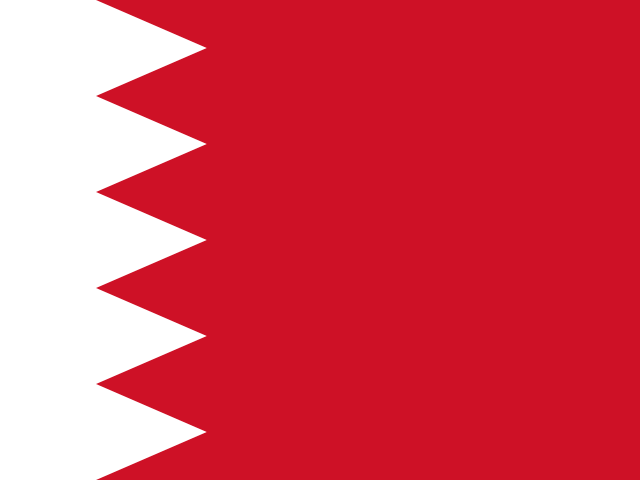 Bahrain
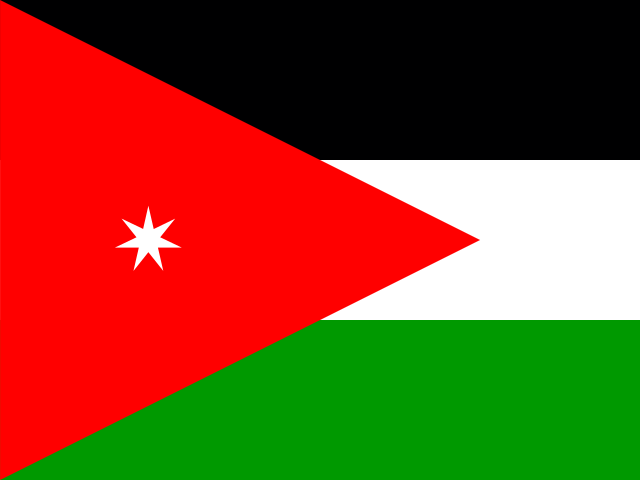 Jordan
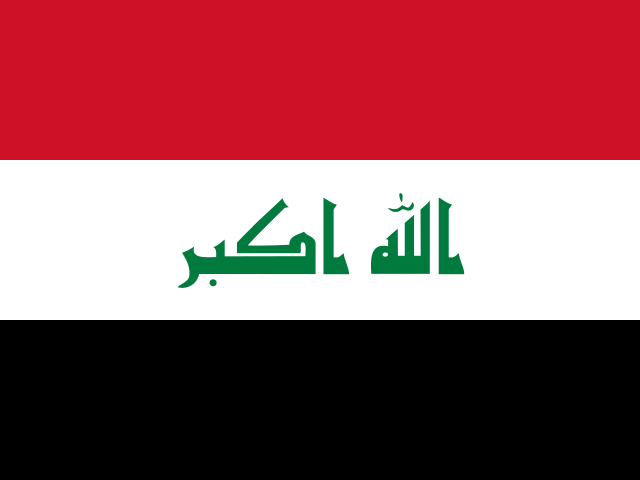 Iraq
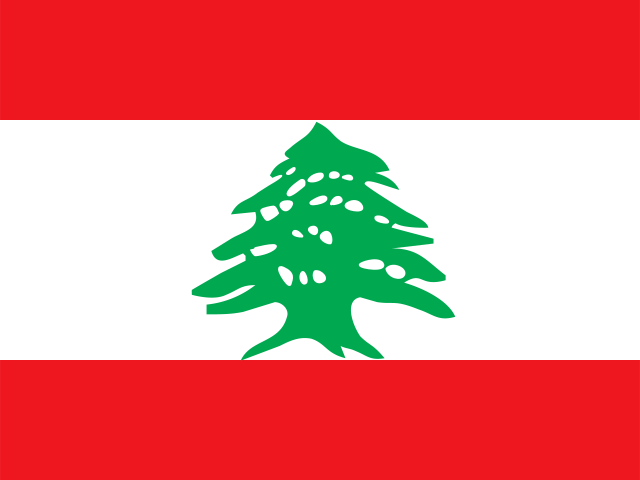 Lebanon
 Syria
 Palestine
 Egypt
 Sudan
 Yemen
 Morocco
 Algeria
 Tunisia
 Libya
 Mauritania
 Somalia
 Djibouti
 Comoros
Do employees have to file the annual total income declaration?
In principle, income tax in Morocco is self-declared: Article 82 of the General Tax Code requires people subject to income tax to file a declaration of their total income. But Article 86 exempts some groups from this declaration, including taxpayers whose only income is salary paid by a single employer or a single payer of a pension or annuity.
Also exempt are people whose only income is income and gains taxed at final (liberatory) rates, meaning the tax withheld on them is final.
In practice:
- Employee with one employer only: you do not need to file. The employer withholds tax every month and reports your pay.
- Employee with two or more employers: the exemption no longer applies, because the condition is a single employer.
- Employee with other income not taxed at a final rate: such as rent from property in some cases, must file.
Being exempt from filing does not stop you from filing if you have something to claim, such as a refund of tax on the interest on a loan for your main home.
What is the filing deadline?
Article 82 sets two deadlines for individuals, depending on the type of income:
- Before 1 March: for salaries and other non-business income, such as property income.
- Before 1 May: for business income assessed under the actual or simplified net profit regime.
In notices on tax obligations carried by the Moroccan news agency MAP, the General Tax Directorate reminded taxpayers that 2 March 2026 was the deadline for a number of annual declarations for 2025. The groups it named included "employees who have two or more incomes from salaries and income treated as salaries", and it urged them to file through the individuals' area of the SIMPL-IR services. It also reminded people that 1 May 2026 was the deadline for those with business income under the actual or simplified regime.
For 2026 income, the legal deadline for employees is before 1 March 2027, and the Directorate publishes a notice with the exact date each year.
How do I declare through SIMPL?
You file online through the SIMPL services on the General Tax Directorate's website, tax.gov.ma. The first step is to sign up:
- The SIMPL-ADHESION application lets you sign up for the Directorate's online services and manage your membership details, such as the taxpayer's representative, users and bank account number (RIB).
- Once signed up, you receive your login details: a username and password.
- You then go to SIMPL-IR, the individuals' area, to file the annual total income declaration.
Before you start, gather the salary certificate from each employer, and check your bank account number if you expect a refund. For help, the Directorate's website gives the phone number 0537273727.
What are the penalties if I am late?
Article 184 of the General Tax Code sets surcharges on the tax due on the income, or on any additional tax due:
- 5%: if you file within 30 days after the deadline, and also when you file a corrected declaration late that leads to additional tax.
- 15%: if you file after that 30-day period.
- 20%: if the tax authority assesses the tax itself because no declaration was filed, or the declaration filed was incomplete or insufficient.
The gap between 5% and 20% is large, so filing a few days late is far better than not filing and waiting for an automatic assessment. Penalties for paying late, set by the Code, come on top of this.
How do I get back tax on home loan interest?
The Code lets you deduct the interest on loans taken to buy or build your main home up to 10% of your total taxable income, as the Directorate explains on its income tax page. An employee who had the full tax withheld can benefit from this deduction by applying for a refund.
According to the "Income tax refund" page on the Directorate's website, the first application includes:
- An application on form AJP030.
- The annual total income declaration on form ADP010 for the years concerned.
- The national ID card showing the home address, and the salary or pension certificate.
- The purchase contract, and the loan contract with the interest certificate and repayment schedule, or the murabaha or lease-to-own contract with proof of payments.
Later applications need fewer documents: the two forms, the interest and salary certificates, and the bank account number if it has changed. Anyone who sold their main home before 6 years uses form AJP031.
For family allowances, 600 dirhams a year for each dependant up to 3,600 dirhams, the easiest route is to tell your employer so it applies them every month, as the Morocco tax guide explains.
Worked example: an employee with two employers
A single employee works for two employers and earns 6,000 dirhams a month from each, so 72,000 dirhams a year from each and 144,000 in total. The figures below use the 2026 rules in the Morocco calculator.
What each employer withholds: a salary of 72,000 dirhams is not above 78,000, so 35% is deducted for professional expenses, then CNSS and AMO, leaving net income of about 41,947 dirhams and tax of about 195 dirhams a year. From both employers that is about 389 dirhams.
The tax on the total: once the two salaries are added together, pay is above 78,000 dirhams, so the professional expenses rate drops to 25% and hits its cap of 35,000 dirhams. After the CNSS contributions at both employers and AMO, about 99,294 dirhams is left, and the tax is about 11,788 dirhams: 10% on the band from 40,000 to 60,000, 20% up to 80,000, and 30% on the rest.
The result: a difference of nearly 11,400 dirhams shows up in the declaration and must be paid. The reason is that each employer applied the tax-free band and the 35% rate as if its salary were your only income. This is a rounded illustration, and the final figure is set by the declaration.
What if I am a Moroccan living abroad, or I have moved back to Morocco?
You are tax domiciled in Morocco if you have a permanent home there or the centre of your economic interests, or if you stay more than 183 days in any 365-day period. A non-resident is taxed only on Moroccan income, so your salary in France or Spain is not declared in Morocco.
But watch for two cases the Directorate has mentioned in its notices:
- Renting out property in Morocco: the duty to declare covers people with property income even if it is not above 40,000 dirhams a year, except those who chose to have their property income taxed at the 20% final rate, who are exempt from this declaration.
- A retiree returning with a foreign pension: if they become tax domiciled in Morocco, a flat 70% deduction applies to the pension if it is 168,000 dirhams or less, and 40% above that, with an 80% reduction in tax on amounts transferred permanently into non-convertible dirhams, provided the declaration comes with the required certificates.
To avoid paying twice, read the double taxation guide. To compare: Morocco or France, Morocco or Spain, Morocco or the UAE and Morocco or Tunisia.
This guide explains the general rules and is no substitute for checking with the tax office for your place of residence.
Frequently asked questions
Do employees in Morocco have to declare their income?
Not if their only income is salary from a single employer, under Article 86 of the General Tax Code. They must declare if they are paid by two or more employers, or have other income not taxed at a final rate.
What is the deadline for declaring total income in Morocco?
Before 1 March of the following year for salaries and non-business income. The Directorate set 2 March 2026 as the deadline for 2025 income, and the deadline for 2026 income is before 1 March 2027.
I work for two employers. Do I have to declare my income?
Yes. Employees with two or more salary incomes must file the annual declaration through SIMPL-IR, because each employer withholds tax as if its salary were your only income, and there is often a difference to pay.
What is the penalty for filing a tax declaration late in Morocco?
A 5% surcharge if you file within 30 days after the deadline, 15% after that, and 20% if the tax authority assesses the tax itself because you did not file, under Article 184.
How do I sign up for SIMPL to declare my income?
Through the SIMPL-ADHESION application on the General Tax Directorate's website. You get a username and password, then file the declaration from the individuals' area in SIMPL-IR.
How do I get back tax on interest on a loan for my main home?
Apply on form AJP030 with the ADP010 declaration for the years concerned, your salary certificate, and the purchase and loan contracts with the interest certificate. The deduction is capped at 10% of total taxable income.
Does a Moroccan living abroad declare income in Morocco?
Not their salary abroad, if they are not tax domiciled in Morocco. But if they have rental income in Morocco they must declare it, unless they chose the 20% final rate.
Sources
- General Tax Directorate: General Tax Code, Article 82 (annual total income declaration and deadlines)
- General Tax Directorate: General Tax Code, Article 86 (exemption from the annual total income declaration)
- General Tax Directorate: General Tax Code, Part 3, Article 184 (surcharges for not filing or filing late)
- General Tax Directorate: Income tax refund (interest on loans for a main home, forms AJP030, ADP010 and AJP031)
- General Tax Directorate: Income tax in brief (deduction of interest on main home loans up to 10%)
- General Tax Directorate: Online filing and payment, SIMPL and SIMPL-ADHESION services
- SNRT News, citing MAP: General Tax Directorate notices, 2 March 2026 deadline for several annual declarations (25 February 2026)
- SNRT News, citing MAP: 1 May 2026 deadline for people with business income
This guide is general information, not tax advice. Rules change; check with the authority or a qualified adviser before you act. How we work.