 Saudi Arabia
 United Arab Emirates
 Qatar
 Kuwait
 Oman
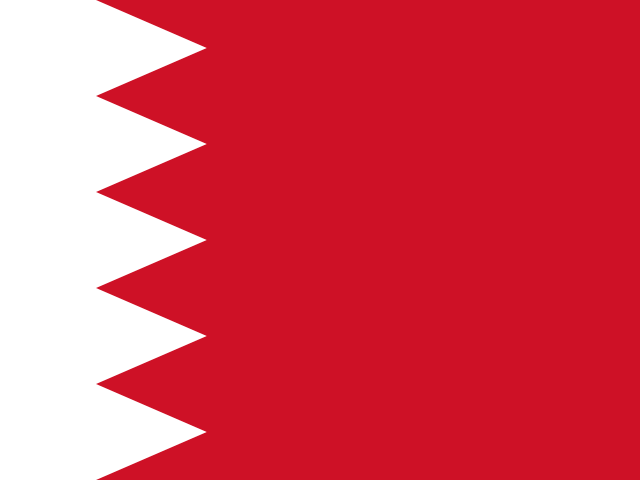 Bahrain
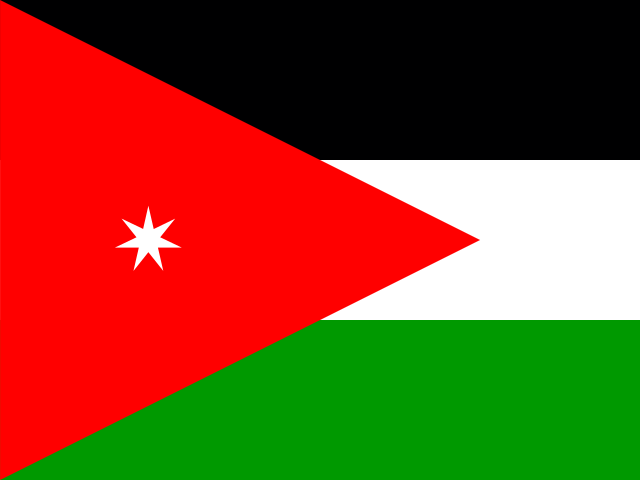 Jordan
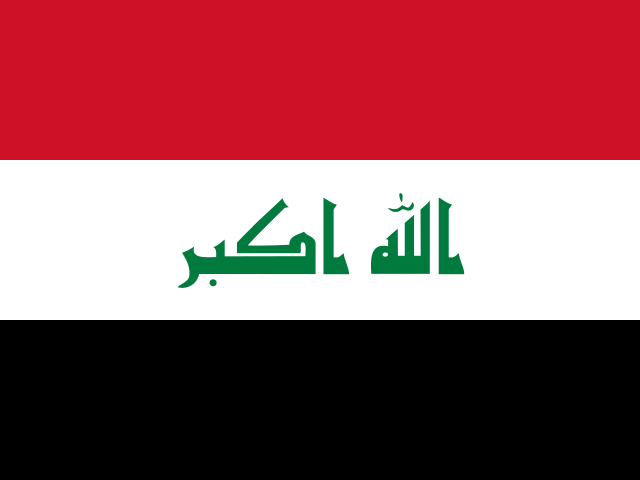 Iraq
 Lebanon
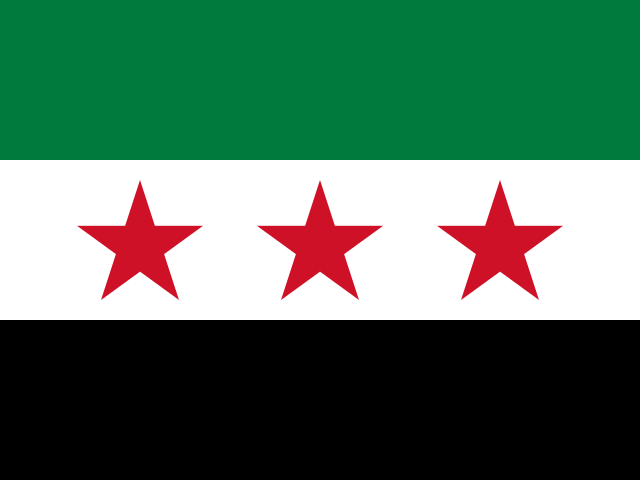 Syria
 Palestine
 Egypt
 Sudan
 Yemen
 Morocco
 Algeria
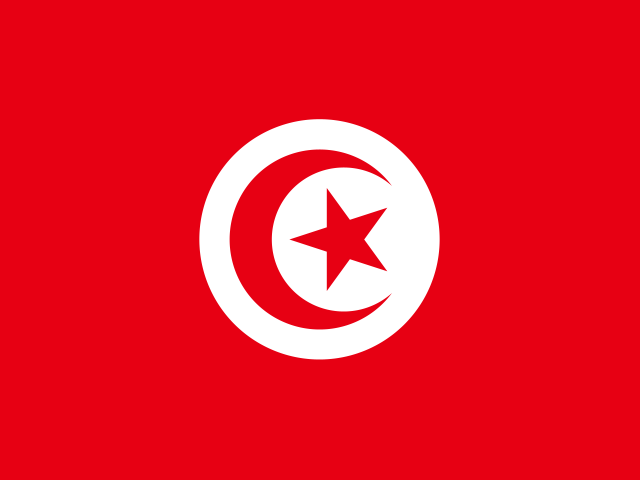 Tunisia
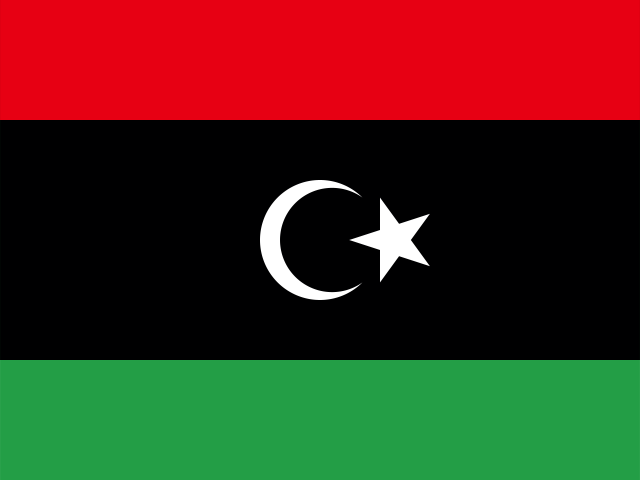 Libya
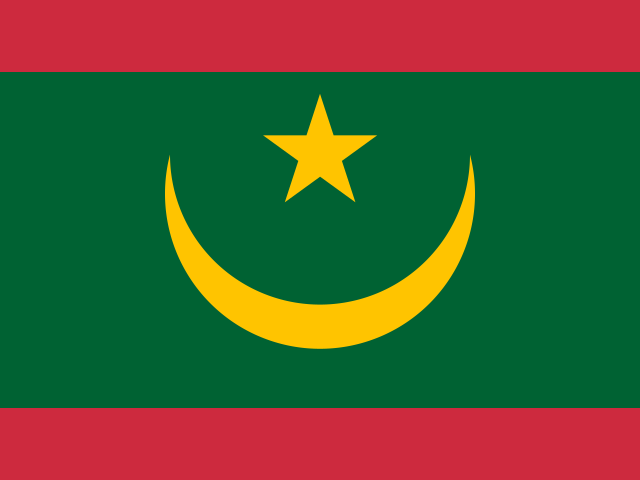 Mauritania
 Somalia
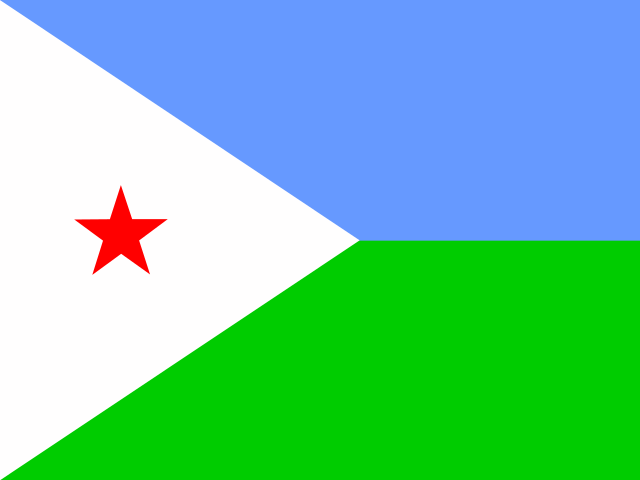 Djibouti
 Comoros
Is there tax on salaries in Kuwait?
No. Kuwait has no income tax on individual salaries in 2026, whether you are Kuwaiti or an expat. The tax Kuwait is known for is the 15% income tax on the profits of foreign companies, and it does not touch salaries.
The only gap between gross and net pay comes from social insurance contributions, and these apply to Kuwaitis only.
What is the social insurance rate for Kuwaitis in the private sector?
The contribution is split across several funds, according to the Public Institution for Social Security guide. The employee pays: 5% for basic insurance on the first 1,500 dinars; 5% for supplementary insurance on the part above 1,500, up to a further 1,250 dinars; 2.5% to the pension increase fund on up to 2,750 dinars; 2.5% to the financial reward fund on up to 1,500 dinars, for 18 years of contributions; and 0.5% for unemployment insurance on up to 2,750 dinars.
In practice: on a salary of 1,500 dinars or less, 10.5% is deducted. On a salary of 3,000 dinars, about 3,090 dinars a year is deducted, roughly 257.5 dinars a month.
The employer pays 10% for basic insurance, 10% for supplementary insurance, 1% for the pension increase fund and 0.5% for unemployment, which is 11.5% of salary up to 2,750 dinars.
Do expats pay social insurance in Kuwait?
No. Expats in the private sector are not covered by Kuwaiti social insurance, so nothing is deducted from their salary and they do not get a pension from the institution.
Their right at the end of a contract is the end-of-service gratuity, paid by the employer under the private sector Labour Law. GCC nationals working in Kuwait fall under the GCC extension of insurance protection and pay contributions under their home country's system.
How do I calculate end-of-service gratuity in Kuwait?
Under Article 51 of Private Sector Labour Law No. 6 of 2010, a worker paid monthly is entitled to 15 days' pay for each of the first five years and a month's pay for each year after that, and the total gratuity cannot exceed 18 months' pay. It is calculated on the last pay including fixed allowances.
If you resign, Article 53 sets: no gratuity for less than 3 years, half of it from 3 to under 5 years, two thirds from 5 to under 10 years, and the full gratuity after 10 years. If the employer ends the contract, or a fixed-term contract expires, the full gratuity is due.
Example: pay of 1,000 dinars and 6 years: 5 × 500 = 2,500 dinars, plus 1,000 for the sixth year, so 3,500 dinars in total; if you resign it becomes two thirds, about 2,333 dinars. Some employers work out the daily rate on 26 days, which raises the amount.
Do Kuwaitis get an end-of-service gratuity?
Yes. A Kuwaiti working in the private sector is entitled to the end-of-service gratuity under the Labour Law, on top of their social insurance pension. Since Article 51 was amended, the gratuity is paid in full, without deducting the social insurance contributions the employer paid for the worker.
Corporate tax and the new minimum tax
Kuwait charges income tax of 15% on the profits of foreign companies doing business in Kuwait; companies wholly owned by Kuwaitis or GCC nationals are exempt. Kuwaiti shareholding companies pay zakat of 1% and a contribution to the Kuwait Foundation for the Advancement of Sciences.
Under Decree-Law No. 157 of 2024, since 1 January 2025 Kuwait has applied a 15% domestic minimum top-up tax to multinational groups with revenue of 750 million euros or more. None of this affects employees' salaries.
Indirect taxes in Kuwait
No VAT is applied in Kuwait as of 2026. In January 2025 the finance minister said any new taxes would target goods harmful to health, so check for any new decision before relying on this.
Practical tips for employees in Kuwait
If you are Kuwaiti, make sure your full salary is registered with social insurance up to 2,750 dinars, because registering a lower salary reduces your pension. Note that the financial reward fund contribution stops after 18 years of contributions, so your net pay rises slightly after that.
If you are an expat, keep your contract and payslips, and remember that resigning before 3 years means losing the whole gratuity.
What changed in 2026?
- We found no announced change to social insurance contribution rates or caps for 2026.
- The 15% domestic minimum top-up tax on large multinational groups (Decree-Law No. 157 of 2024) has applied since 1 January 2025, and its executive regulations were issued on 30 June 2025. It has no effect on salaries.
- There is no income tax on salaries and no VAT in 2026.
For expats
For expats in Kuwait: there is no tax and no social insurance on your salary, so the gross is what you take home. Your main right when you leave is the end-of-service gratuity, which in Kuwait is calculated on total pay including fixed allowances and can reach 18 months' pay, but resigning before 3 years means losing it. Money you send home is not subject to Kuwaiti tax. Because Kuwait does not tax salaries, you will not usually need a double tax treaty for your pay, but check your home country's rules if you are tax resident there.
Income tax rates
Kuwait does not tax employees' salaries in 2026. The only possible deduction is a social insurance or pension contribution, which can differ between nationals and expats.
Other taxes that matter in Kuwait
Capital gains
Kuwait does not tax individuals' gains from selling listed or unlisted shares or property, because Income Tax Decree No. 3 of 1955, as amended by Law No. 2 of 2008, taxes only incorporated bodies with legal personality, not individuals, whether Kuwaiti or expat.
Dividends
There is no tax on dividends received by individuals in Kuwait and nothing is withheld from them, because there is no income tax on individuals.
Crypto
On 17 July 2023 the Capital Markets Authority issued Circular No. 10 of 2023 to financial institutions and designated non-financial businesses and professions. It bans using virtual assets as a means of payment, bans dealing in them as an investment, rules out licensing any virtual asset services, and fully bans mining. In 2021 the Central Bank of Kuwait had warned that they are not supervised by any authority in Kuwait. There is no tax on individuals' gains from them.
Inheritance
Kuwait has no estate or gift tax. Muslims' estates are divided under the Islamic inheritance rules in the Personal Status Law.
Property and wealth
There is no wealth tax and no annual property tax for individuals. The taxes that exist fall on companies: income tax on foreign incorporated bodies, the 15% domestic minimum top-up tax on multinational groups from 1 January 2025, and the zakat and National Labour Support laws for Kuwaiti companies.
Tax residency
Kuwaiti tax law does not define tax residence for individuals, because individuals are not subject to income tax at all, so there is no 183-day rule in Kuwaiti law. Where needed, the residence rules in the double tax treaties Kuwait has signed apply. The Ministry of Finance issues tax certificates, including the tax residency certificate for double tax treaty purposes. We could not confirm the conditions and documents for issuing one to individuals from an official source, because the ministry's website was not available when we checked.
Retirement and pensions
Pensions are not taxed in Kuwait, whether a Kuwaiti's pension from the Public Institution for Social Security or an expat's foreign pension, because there is no income tax on individuals. We found no official source confirming a retirement visa or permanent residence for retired expats.
Cost to the employer
For a Kuwaiti employee in the private sector, the employer pays 11.5%: 10% for basic insurance up to 1,500 dinars and 10% for supplementary insurance on the part above that up to a further 1,250 dinars, 1% to the pension increase fund and 0.5% for unemployment insurance. The maximum salary subject to contributions is 2,750 dinars a month, and the employee pays 10.5%. Expats are not covered by social insurance; the employer owes them an end-of-service gratuity under Article 51 of Labour Law No. 6 of 2010: 15 days' pay for each of the first five years and a month's pay for each year after that, capped at 18 months' pay.
Social insurance
| Contribution | Employee | Employer | Applies to | Cap |
|---|---|---|---|---|
| Basic insurance | 5% | 10% | Kuwaitis in the private and oil sectors | Up to 1,500 dinars a month |
| Supplementary insurance | 5% | 10% | Kuwaitis | On the part above 1,500 dinars, up to a further 1,250 dinars |
| Pension increase fund | 2.5% | 1% | Kuwaitis | Up to 2,750 dinars a month |
| Financial reward fund | 2.5% | 0% | Kuwaitis | Up to 1,500 dinars a month; stops after 18 years of contributions |
| Unemployment insurance | 0.5% | 0.5% | Kuwaitis in the private and oil sectors | Up to 2,750 dinars a month |
Work out your own pay in Kuwait
Instant result, monthly and yearly, with every deduction itemised.
Common questions about taxes in Kuwait
Is there tax on salaries in Kuwait?
No. Kuwait has no income tax on salaries in 2026, for Kuwaitis or expats. The 15% income tax applies only to the profits of foreign companies.
What is the social insurance rate for Kuwaitis?
10.5% on the first 1,500 dinars of salary (basic 5%, pension increase 2.5%, financial reward 2.5% and unemployment 0.5%), and 8% on the part from 1,500 to 2,750 dinars.
Is anything deducted from an expat's salary in Kuwait?
No tax or social insurance is deducted from an expat's salary. Net pay equals gross.
How do I calculate end-of-service gratuity in Kuwait?
15 days' pay for each of the first 5 years and a month's pay for each year after that, capped at 18 months' pay. Pay of 1,000 dinars and 6 years gives 3,500 dinars when the contract is ended by the employer.
How much gratuity do I get if I resign in Kuwait?
Nothing before 3 years, half the gratuity from 3 to under 5 years, two thirds from 5 to under 10 years, and the full gratuity after 10 years, under Article 53.
Is the Kuwait gratuity based on basic or total pay?
On the last total pay including the fixed allowances the worker receives regularly, not on basic pay alone.
What is the maximum salary for social insurance in Kuwait?
2,750 dinars a month: 1,500 for basic insurance and 1,250 for supplementary insurance. Nothing above that is charged.
Is there VAT in Kuwait?
No. VAT is not applied in Kuwait as of 2026.
Do Kuwaitis get an end-of-service gratuity as well as a pension?
Yes. A Kuwaiti in the private sector is entitled to the full end-of-service gratuity from the employer on top of the social insurance pension, with no deduction for the employer's contributions.
Sources
- PIFSS: brief guide to the social insurance law (table of monthly contribution rates and caps), January 2023 edition, archived copy because the site could not be reached directly Official source · checked 2 October 2026
- PwC Worldwide Tax Summaries: Kuwait, social security contributions (11.5% and 8% capped at 2,750, and 2.5% capped at 1,500), reviewed 22 July 2026 (secondary source, used as a cross-check) Secondary source used to cross-check · checked 2 October 2026
- Private Sector Labour Law No. 6 of 2010 and its amendments (Articles 51, 52 and 53), text published on Mohamah.net (secondary source, as the official site could not be reached) Secondary source used to cross-check · checked 2 October 2026
- Central Bank of Kuwait: US dollar exchange rate of 307.950 fils on 1 October 2026 Official source · checked 2 October 2026
- KUNA: Ministry of Finance issues the executive regulations of the law on taxing multinational entities (Decree-Law No. 157 of 2024, in force from 1 January 2025, rate 15%); text checked through the search index as the site could not be opened Official source · checked 2 October 2026
- PwC Worldwide Tax Summaries: Kuwait, corporate tax of 15% on foreign companies and a 15% domestic top-up tax (secondary source) Secondary source used to cross-check · checked 2 October 2026