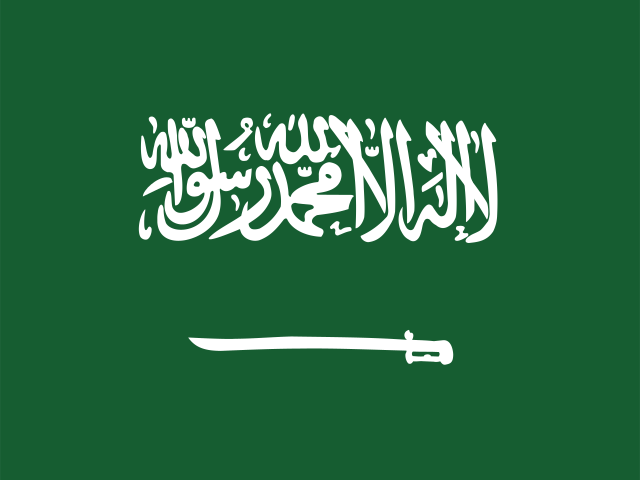
 Saudi Arabia
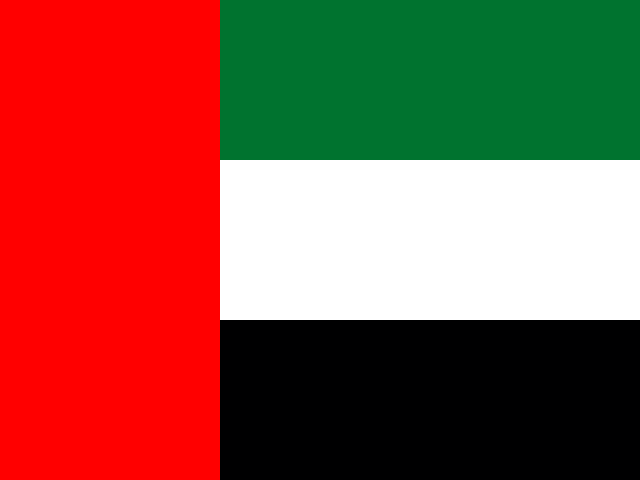 United Arab Emirates
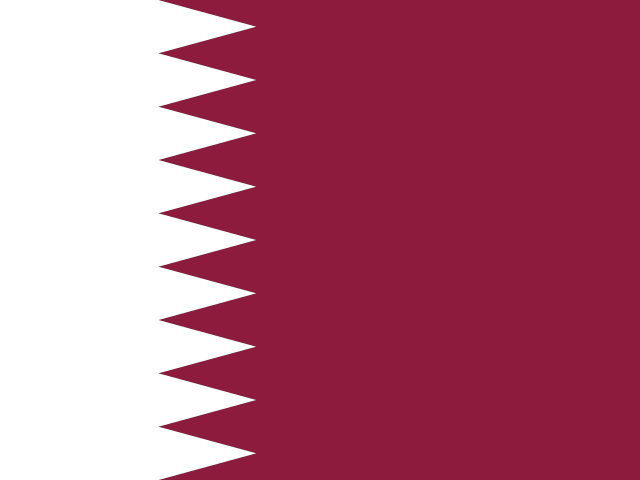 Qatar
 Kuwait
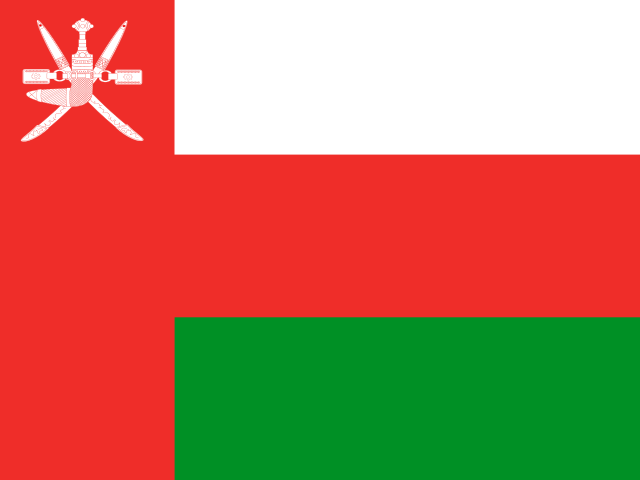 Oman
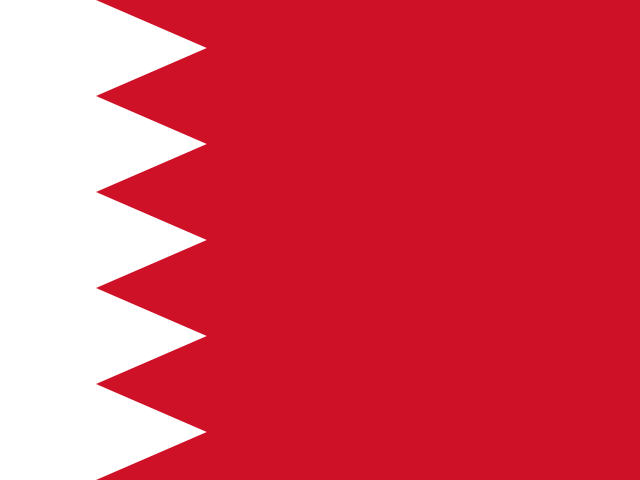 Bahrain
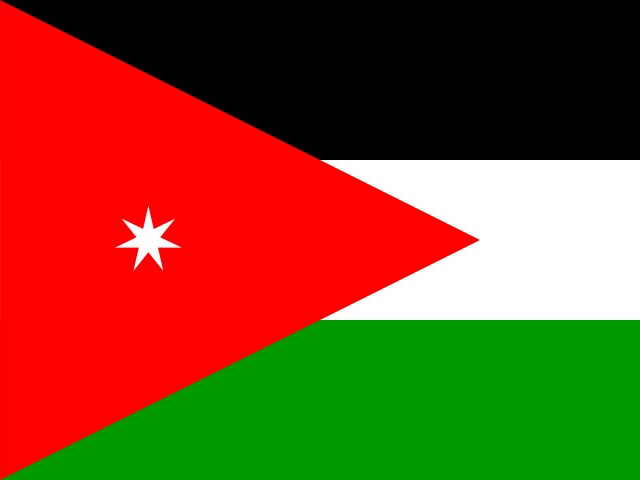 Jordan
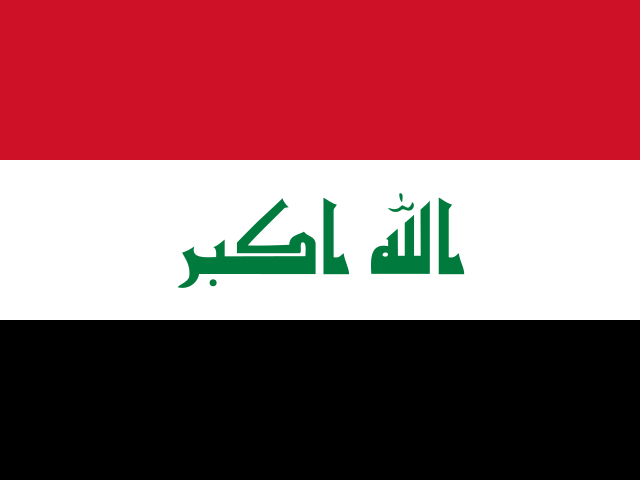 Iraq
 Lebanon
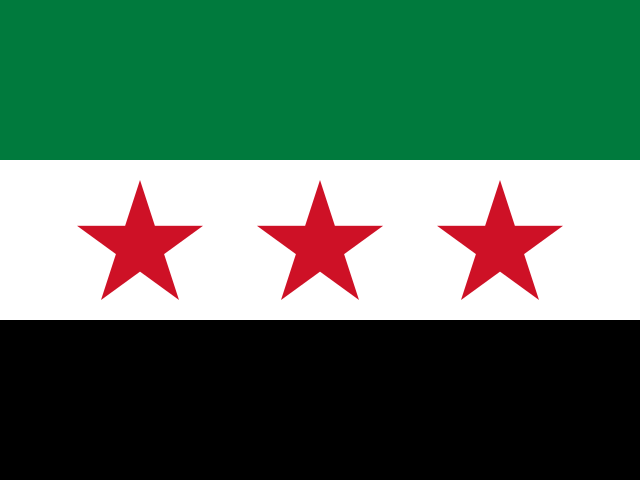 Syria
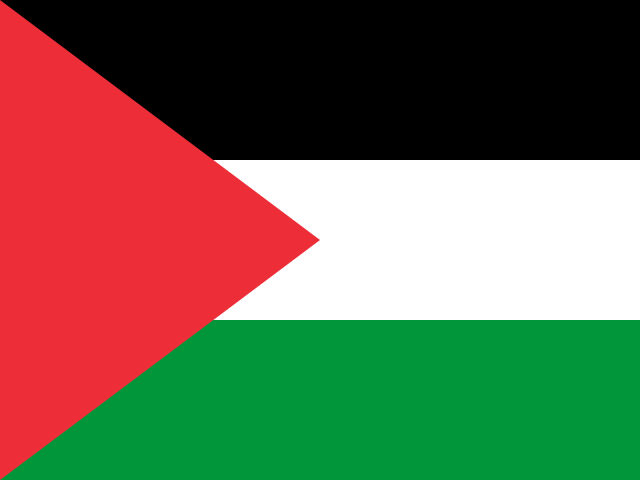 Palestine
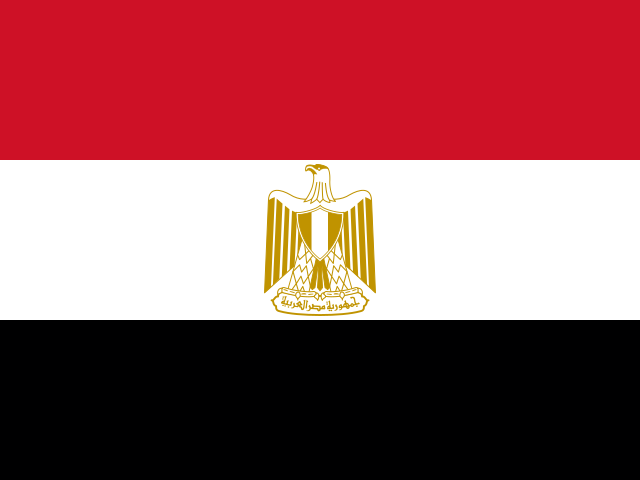 Egypt
 Sudan
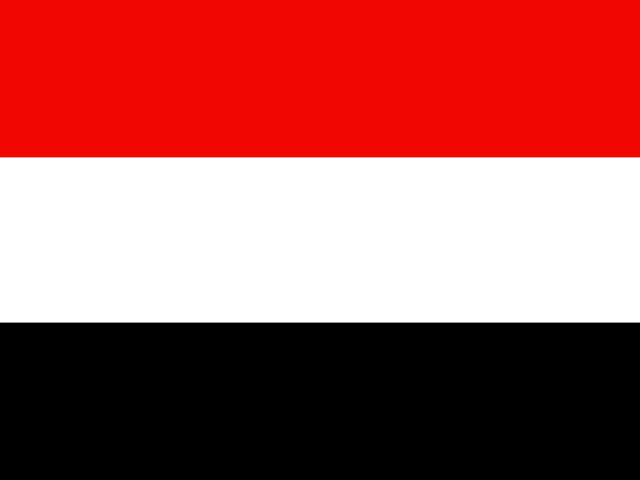 Yemen
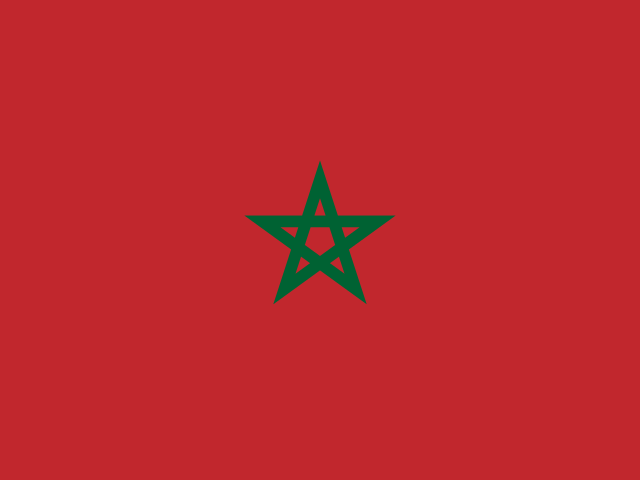 Morocco
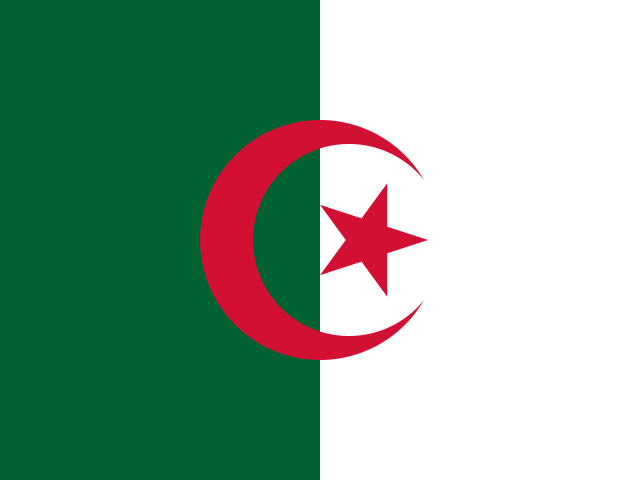 Algeria
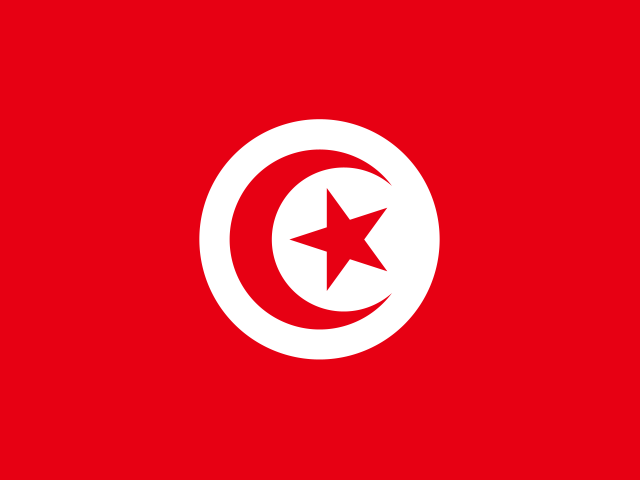 Tunisia
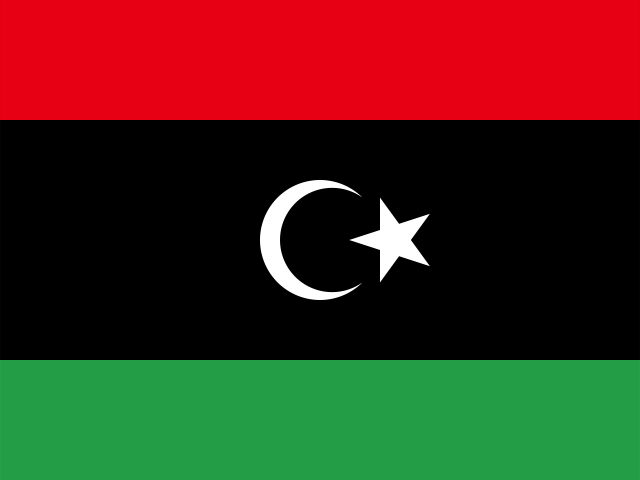 Libya
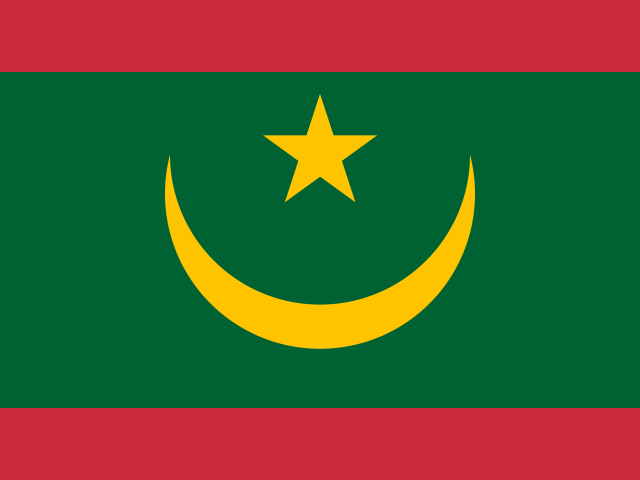 Mauritania
 Somalia
 Djibouti
 Comoros
How is personal income tax on salaries worked out in Sudan?
The Income Tax Act 1986, as amended, taxes personal income, including salaries, allowances and benefits. The calculation starts with the employee's total pay, then deducts social insurance and pension contributions, as Article 28 allows.
The bands from Council of Ministers Order No. 457 of 2022 then apply to the rest: the first 30,000 pounds a month is tax free, then 5% on the next 20,000, 10% on the next 20,000, 15% on the next 30,000 and 20% on everything above 100,000 pounds a month.
Example: a salary of 300,000 pounds a month. Social insurance at 8% is 24,000, and transport, representation and cost-of-living allowances are exempt up to 5% of salary, or 15,000, leaving 261,000 taxable. Tax is 1,000 + 2,000 + 4,500 on the first 100,000, then 20% of 161,000, which is 32,200, for a total of 39,700 pounds a month and net pay of about 236,300 pounds.
Who pays social insurance and how much?
The Social Insurance Act 1990 sets the monthly contribution at 25% of monthly pay: 17% paid by the employer and 8% deducted from the worker's pay. The employer pays it to the National Social Insurance Fund at the end of each month.
The Act covers workers in the private sector, public bodies, and state-owned companies and banks. It excludes government employees covered by public service pension laws, the regular forces, domestic workers and members of the employer's family. The Act defines a worker as a Sudanese person, so the calculator assumes a foreign employee is outside this scheme.
What has changed in salary tax since 2022?
The Sovereignty Council issued the Income Tax (Amendment) Act 2022 on 20 January 2022. It ended the exemption that Article 17 gave some groups of workers, so all public and private-sector employees now pay personal income tax. The Taxation Chamber confirmed this in a letter dated 11 September 2024, while keeping the exemption for people who had it before January 2022.
Council of Ministers Order 457 of 2022 then raised the tax-free amount to 360,000 pounds a year and redrew the bands, and the Taxation Chamber circulated the table on 3 April 2023. As of October 2026 we found no newer decision on the Chamber's website changing the bands, despite high inflation, which reached 40.2% in March 2026 according to the Central Bank of Sudan.
How are allowances and benefits in kind treated?
As a rule, all allowances and benefits are part of taxable income, except amounts that genuinely repay work expenses. Article 28 exempts end-of-service pay, and pension and insurance fund contributions are also exempt.
The Sudan tax guide for 2026 says Administrative Decision No. 5 of 2022 exempts 5% of total monthly salary for transport, representation, hospitality and cost-of-living allowances, and 75% of the domestic travel allowance up to 10,000 pounds a month. We could not find the text of this decision on the Taxation Chamber's website, so the calculator does not apply it. Your actual tax may be slightly lower if your employer does.
How are non-residents and foreigners taxed?
Residents are taxed on income from Sudan and abroad, and non-residents on income arising in Sudan. Council of Ministers Order 457 of 2022 states plainly that non-residents do not get the tax-free amount.
The order does not say what rate applies to a non-resident's first 360,000 pounds, so the calculator assumes the lowest positive rate, 5%, with the other thresholds unchanged. A resident foreigner gets the tax-free band, but the calculator does not charge them social insurance.
What about business owners and the self-employed?
Business profits and rental income from property follow a separate table in Part A of the Third Schedule of the Act, with rates that vary by activity. Business owners file a self-assessment return and pay the tax when they file.
The 2026 tax guide says incentives, grants, payments to contractors and commissions are subject to a 5% deduction as a final tax, and board members' fees are taxed at the top rate with no exemption.
Why is it hard to value a Sudanese salary in dollars?
Since the war broke out in April 2023, the gap between exchange rates has widened. The Central Bank of Sudan says the average buying rate for the dollar at commercial banks rose from 2,574.05 pounds at the end of December 2025 to 2,993.93 pounds at the end of March 2026, while the parallel market rate is much higher.
The calculator uses the commercial bank rate for March 2026, so treat any dollar figure as a rough estimate. With high inflation, the tax-free band loses value quickly, and a salary that looks large in pounds can fall into the 20% band.
Practical tips
Ask your employer for a statement showing pay subject to social insurance and tax, and check that insurance was deducted before tax was worked out. If you had an exemption before 20 January 2022, keep the documents that prove it, because the Taxation Chamber asks to verify them.
This calculator does not include zakat on earned income or partial exemptions for allowances, and it is not tax advice. For special cases, contact the Sudan Taxation Chamber.
For expats
A Sudanese national working in the Gulf or Egypt for a foreign employer is usually taxed in the country of work. Sudan taxes residents on income from anywhere, and the law lets the minister grant relief to anyone already taxed in the country the income came from. Sudanese working abroad have a separate social insurance law from 1997 that lets them contribute. During the war many families rely on remittances, and the gap between the bank and parallel market exchange rates is large, so check the rate before you send money.
Income tax rates
| Annual taxable income (SDG) | Rate |
|---|---|
| 0 to 360,000 | 0% |
| 360,000 to 600,000 | 5% |
| 600,000 to 840,000 | 10% |
| 840,000 to 1,200,000 | 15% |
| Over 1,200,000 | 20% |
Annual brackets under Council of Ministers Order No. 457 of 2022. The monthly equivalent: 30,000 pounds exempt, then 20,000 at 5%, then 20,000 at 10%, then 30,000 at 15%, and anything above 100,000 pounds a month at 20%. The brackets apply to income after the social insurance contribution is deducted. A non-resident does not get the exempt band.
Personal income tax exemptions in Sudan
What is left out of taxable income for personal income tax on salaries, under the Income Tax Act 1986, its amendments and the decisions that implement it.
| The first 30,000 SDG a month (360,000 a year) | Exempt for residents; not available to non-residents |
| Pension, social insurance and post-service fund contributions | Deducted before tax is worked out (Article 28) |
| End-of-service pay | Exempt |
| Transport, representation, hospitality and cost-of-living allowances | Exempt up to 5% of total monthly salary (Administrative Decision No. 5 of 2022) |
| Domestic travel allowance | 75% exempt, up to 10,000 SDG a month |
| Foreign travel allowance | Exempt within Council of Ministers rates |
| Medical services paid by the employer | Not part of taxable income |
| Commuted part of a pension, pay in lieu of notice, and injury or dismissal compensation | Exempt |
| Diplomats, consuls and staff of some international organisations | Exempt under the Immunities and Privileges Act 1956 |
| Age exemptions (age 50 or 25 years of service) | Abolished by the 2022 amendment; all public and private-sector workers are now taxed |
| Board members' fees | Taxed at the top rate with no exemption |
| Incentives, grants and commissions | Final tax of 5% withheld at source |
Sources: Income Tax Act 1986, Articles 26 and 28 and the First Schedule (Taxation Chamber) · Taxation Chamber: all workers taxed since the 2022 amendment (11 September 2024) · Comprehensive reference on tax and zakat in Sudan 2026 (secondary source)

Other taxes that matter in Sudan
Capital gains
According to the text of the Capital Gains Tax Act 1986, as amended, published on unofficial legal websites, gains on selling land and buildings are taxed at 5%, and gains on selling vehicles at 2.5% if owned for a year or more. 25% of the sale value of your only house or only plot of land is exempt once in a lifetime, and the Council of Ministers can change these rates. The Act's definition of a capital asset does not include shares, and we could not confirm from an official source how individuals' gains on shares are treated, or which rates apply in 2026.
Dividends
The text of the Income Tax Act 1986 excludes from taxable income dividends paid out of profits that have already been taxed, so dividends are not taxed under this text. We could not confirm on an official website that later amendments left this rule unchanged.
Crypto
We found no law or published statement from the Central Bank of Sudan that bans or regulates cryptocurrencies, and no tax rules for individuals' crypto.
Inheritance
We found no inheritance tax in the Income Tax or Capital Gains Tax Acts. When an heir later sells an inherited asset, the ownership period counts from the date the deceased acquired it. Transferring a capital asset to anyone other than a spouse, children, parents or grandchildren is treated as a sale at market value. Inheritance for Muslims follows Islamic sharia through the Personal Status Act.
Property and wealth
There is no annual wealth tax in the laws we reviewed, and rental income from property is subject to income tax. The Income Tax Act refers to the Zakat Act 2001, under which zakat is collected by the Zakat Chamber. We could not confirm local property charges from an official source.
Tax residency
Under the text of the Income Tax Act 1986, you are resident in Sudan if you are there for more than 183 days in the basis period, or for more than 12 months in total over the basis period and the two before it. Residents are taxed on income from Sudan and abroad, and the minister may exempt income already taxed in its country of origin. We could not verify from an official source how the Taxation Chamber issues tax residency certificates.
Retirement and pensions
The text of the Income Tax Act exempts the retirement gratuity that the law requires for public servants and the regular forces. Within certain limits, it also exempts the income of Sudanese private-sector workers aged 50 and over. We could not confirm how foreign pensions are treated, and we found no retirement visa on any official portal.
Cost to the employer
According to the US Social Security Administration's 2019 summary (a secondary source), the employer pays 17% of gross monthly pay and the worker 8% to the National Social Insurance Fund, and the maximum insurable pay was 20,000 Sudanese pounds a month at that time. We could not confirm the rates and cap that apply in 2026 from an official Sudanese website.
Social insurance
| Contribution | Employee | Employer | Applies to | Cap |
|---|---|---|---|---|
| Social insurance (1990 Act) | 8% | 17% | Sudanese workers in the private sector and in public bodies and companies, except government employees covered by the pensions laws | No cap is published in the text of the Act |
Work out your own pay in Sudan
Instant result, monthly and yearly, with every deduction itemised.
Common questions about taxes in Sudan
What is the tax-free amount in Sudan in 2026?
The tax-free amount is 30,000 SDG a month or 360,000 SDG a year of taxable income after social insurance, under Council of Ministers Order 457 of 2022. Non-residents do not get it.
What are Sudan's salary tax bands?
Monthly: the first 30,000 SDG is tax free, then 5% on the next 20,000, 10% on the next 20,000, 15% on the next 30,000 and 20% above 100,000 SDG. The most tax on the first 100,000 SDG is 7,500 SDG.
What is the social insurance rate in Sudan?
The contribution is 25% of monthly pay: 17% paid by the employer and 8% deducted from the worker, under Article 25 of the Social Insurance Act 1990.
Is social insurance deducted before tax is worked out?
Yes. Article 28 of the Income Tax Act 1986 deducts pension and insurance fund contributions from personal income before the bands apply.
Are government employees still exempt from income tax?
No. The amendment to the Income Tax Act on 20 January 2022 ended the exemption under Article 17, and in September 2024 the Taxation Chamber confirmed that all public and private-sector employees are taxed. People who had the exemption before that date keep it.
What is the net pay on a 100,000 SDG salary in Sudan?
8,000 SDG goes to social insurance and allowances up to 5% of salary (5,000 SDG) are exempt, leaving 87,000 taxable. Tax is 1,000 + 2,000 + 2,550 = 5,550 SDG, so net pay is about 86,450 SDG a month.
Do foreigners working in Sudan pay social insurance?
The Social Insurance Act 1990 defines a worker as a Sudanese person, so the calculator does not deduct social insurance for foreigners. They still pay income tax, and get the tax-free band if they are resident.
Is end-of-service pay taxed in Sudan?
No. Article 28 of the Income Tax Act deducts the gratuity received when an employment contract ends from personal income, so it is not taxed.
Sources
- Council of Ministers: order under the (Personal) Income Tax Act, Decision No. 457 of 2022 dated 29 November 2022 (published on the Taxation Chamber website) Official source · checked 2 October 2026
- Taxation Chamber, General Directorate of Personal Income Tax: circular on Decision 457 of 2022 with the annual and monthly brackets (3 April 2023) Official source · checked 2 October 2026
- Taxation Chamber: section 17 of the Income Tax Act 1986 and the taxation of all public and private sector employees (11 September 2024) Official source · checked 2 October 2026
- Income Tax Act 1986 (English text on the Taxation Chamber website), section 28 Official source · checked 2 October 2026
- Sudanese Social Insurance Act 1990, sections 3 and 25 (reproduced text, Mohamah.net) Secondary source used to cross-check · checked 2 October 2026
- Comprehensive Reference on Taxes and Zakat in Sudan 2026, Mamoun Idris, published on the website of the Accounting and Auditing Profession Regulation Council (secondary source) Secondary source used to cross-check · checked 2 October 2026
- Central Bank of Sudan: Economic and Financial Statistics Review, first quarter 2026 Official source · checked 2 October 2026