 Saudi Arabia
 United Arab Emirates
 Qatar
 Kuwait
 Oman
 Bahrain
 Jordan
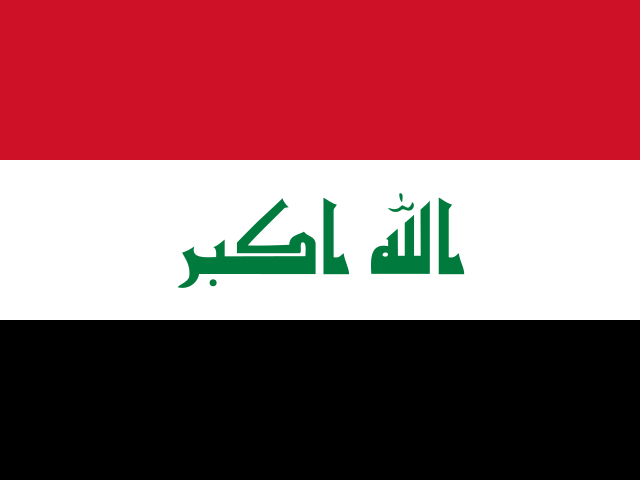 Iraq
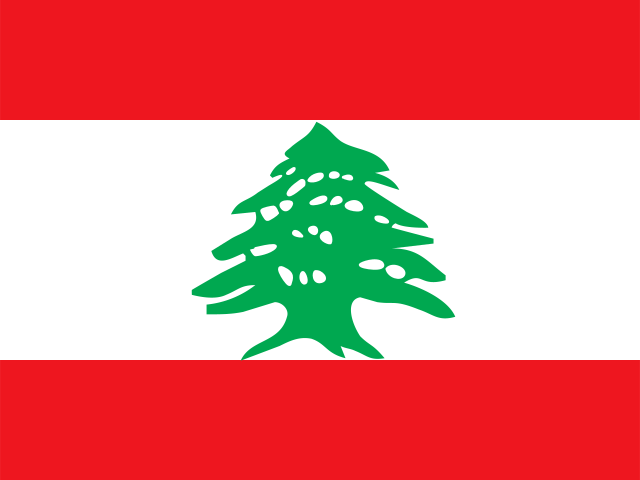 Lebanon
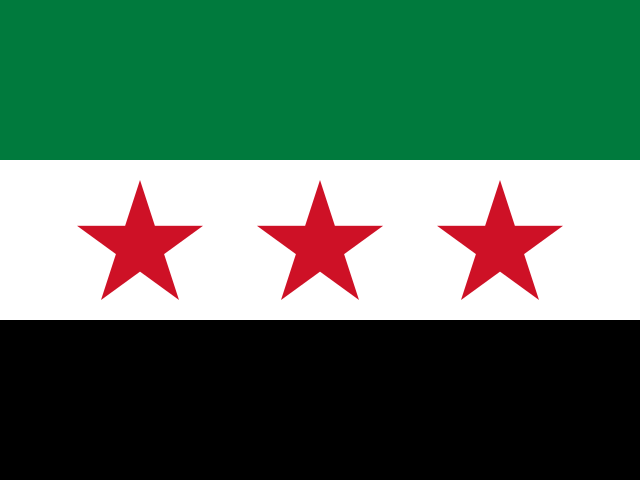 Syria
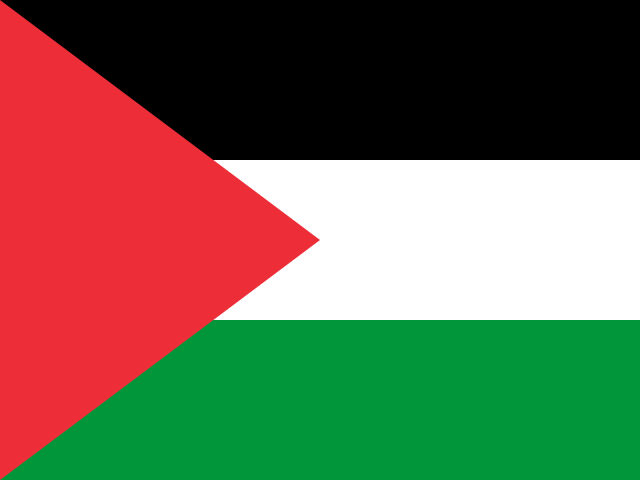 Palestine
 Egypt
 Sudan
 Yemen
 Morocco
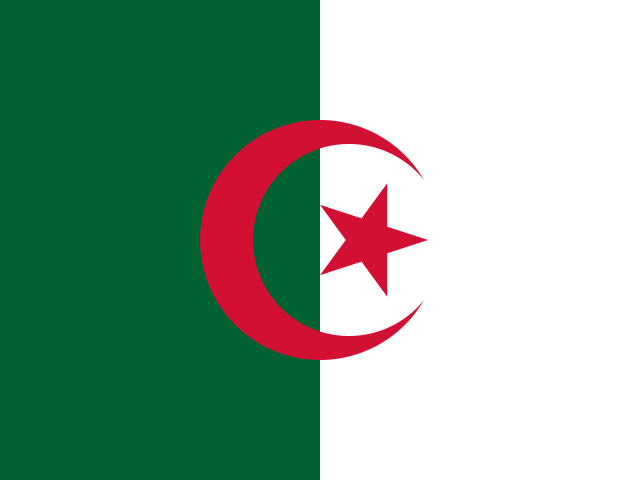 Algeria
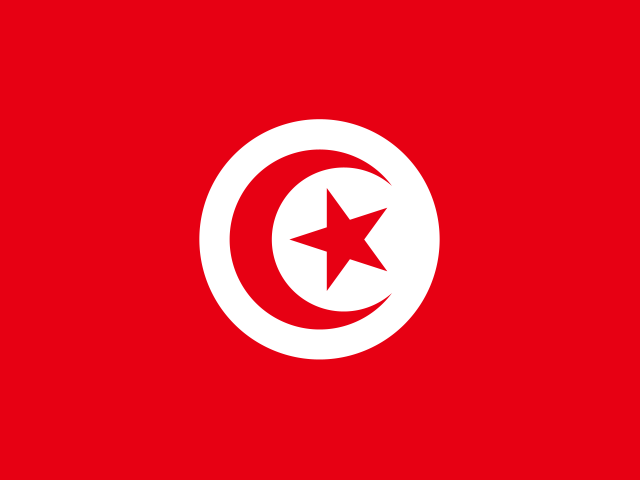 Tunisia
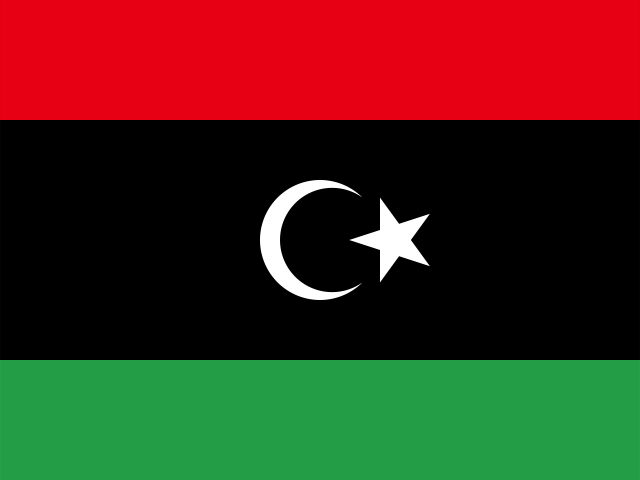 Libya
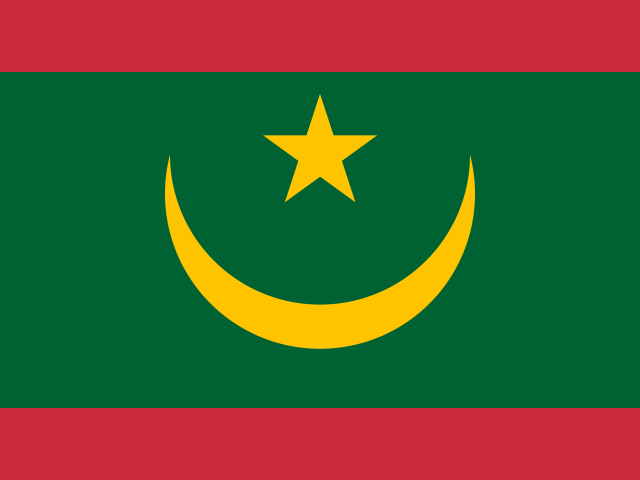 Mauritania
 Somalia
 Djibouti
 Comoros
Do employees have to file a tax return?
Not in the normal case. The Ministry of Finance's taxpayer guide to income tax says that Instructions No. 5 of 2012, issued under Decree-Law No. 8 of 2011 on Income Tax, exempted several groups from filing a return, including:
- A resident individual whose only income is a salary.
- A resident whose only income is from let property, with total income from it not above 30,000 shekels.
- A resident whose only income is from a business with sales or revenue not above 50,000 shekels.
The guide adds two important points: being exempt from filing does not mean being exempt from tax, and it does not stop you from filing if you want to. The reason is that tax on salaries is deducted at source: every month the employer submits a deductions statement showing each employee's salary, personal exemptions and the tax deducted, and pays it by the 15th of each month.
Note that these limits come from the 2012 instructions, so if your income is close to them, ask the income tax office in your governorate about any later change.
When does an employee need a return or a claim?
The ministry's guide lists the types of return, including a specific "employee or wage earner return" for an individual whose only income is a salary or wages. You need it in two main cases:
- Exemptions not applied to your salary: the income tax services guide explains that employees claim the exemptions that apply to them within 3 months of the end of the tax period, so by the end of March of the following year. If you did not give your documents to your employer during the year, this is your last chance.
- Income other than salary: rent above the limit, a profession or a business. In this case you file a regular individual return, and anyone carrying on an activity inside Palestine must register and open a file with the income tax departments from the start, however small the activity.
If you work for more than one employer, remember that the residency exemption is yours once, not once per employer. The services guide warns that tax differences can build up for the employer or the employee if deduction errors are found later.
Which exemptions can you claim?
Every resident Palestinian taxpayer gets a residency exemption of 36,000 shekels a year, unless they stayed in Palestine for less than 120 days in the year if Palestinian, or 183 days if not Palestinian, according to the services guide. Other exemptions are added with supporting documents:
- University exemption: 6,000 shekels a year for your own studies after secondary school, or your spouse's or one of your children's, up to two students a year, unless the student has a scholarship. It is given to one spouse only, with a letter of proof from the university.
- Housing exemption: 30,000 shekels once for buying or building a home to live in, or an exemption for interest and murabaha profit on a housing loan of up to 4,000 shekels a year for at most ten years. It is given to one spouse only, with the purchase contract or building permit and a certificate of the loan interest.
- Transport allowance: the actual amount or 10% of the total annual salary, whichever is lower, for private sector employees.
- Your contributions to approved pension, savings or health insurance funds.
Exemptions cannot exceed your net income, and donations to registered bodies can be deducted up to 20% of taxable income.
How and when is the return filed?
The annual return is filed within the four months after the tax period ends. For 2026 income the deadline is 30 April 2027. An employee's claim for exemptions has only 3 months from the end of the year.
The ways to file, as set out in the income tax services guide:
- By hand at the regional income tax office, getting a signed and stamped receipt.
- By registered post with proof of delivery.
- Any other method the minister approves; the taxpayer guide mentions email where available.
The return is filed on the department's official form, signed by the taxpayer or their authorised representative, and the service is free. Once received, it goes to the relevant assessor, who may send you a summons to settle the return.
There is a reward for filing early: a discount of 4% on the tax balance due after advance payments if the return is filed in January, and 2% if it is filed in February or March.
What are the fines?
The Ministry of Finance's taxpayer guide, in its 2012 edition, lists the following fines from the income tax law:
- Filing late: 3% of the tax due for each month of delay, up to 20% of the tax, with a minimum of 300 shekels for an individual.
- Paying late: 2% of the tax due for each month of delay.
- Employer late in paying over deductions: 2% of the tax that should have been deducted, for each month.
Evasion, or helping someone evade, is punishable by one month to one year in prison, a fine of 1,000 to 10,000 shekels, or both. Because these figures come from a guide issued before the 2015 and 2016 amendments to the law, check with the income tax office before relying on them in a specific case.
If you disagree with the assessor's assessment, you can object to the assessment decision and then appeal to the Income Tax Appeals Court, according to the services guide.
Worked example: an employee with a son at university
A resident private sector employee earns 5,000 shekels a month, so 60,000 shekels a year. The figures come from the Palestine calculator with 2026 rules.
With the residency exemption only: 60,000 minus 36,000 leaves 24,000 shekels taxable, and the tax is 5%, so 1,200 shekels a year, or 100 shekels a month.
With the university exemption for his son: another 6,000 shekels comes off, leaving 18,000 shekels taxable and tax of 900 shekels. That saves 300 shekels a year.
And with the transport allowance: if his salary includes an actual transport allowance of at least 10% of pay, a further 6,000 shekels is exempt, taxable income falls to 12,000 shekels and the tax to 600 shekels.
If he did not give the university letter to his employer during the year, the way to get the exemption is to claim it at the income tax office before the end of March. This is an illustration, and exemptions are granted after the documents are checked.
What if I am Palestinian and work abroad?
A Palestinian counts as resident if they stay in Palestine for at least 120 days in the year. As a rule, income earned outside Palestine is not subject to Palestinian tax, except income earned by a Palestinian abroad that comes from their funds or deposits in Palestine, as the ministry's services guide explains when describing the duty to register.
So if you work in the Gulf, your salary there does not need a return in Palestine. But if you have income inside Palestine, such as rent from a flat above the filing exemption limit, you still have to file for it. Note that the 36,000 shekel residency exemption is not given if you stay less than 120 days in the year.
To avoid paying twice, read the double taxation guide. To compare before a move: Palestine or the UAE, Palestine or Saudi Arabia and Jordan or Palestine. For the brackets in detail: the Palestine tax guide.
This guide explains the general rules and is no substitute for checking with the income tax office in your governorate.
Frequently asked questions
Do employees in Palestine have to file an income tax return?
Not if they are resident and their only income is a salary, under Instructions No. 5 of 2012 as set out in the Ministry of Finance guide. But they may file a return, and they need one to claim exemptions that were not applied to their salary.
What is the deadline to claim the university exemption in income tax?
Employees claim their exemptions within 3 months of the end of the tax year, so by the end of March, with a letter from the university showing the student is studying without a scholarship.
What is the deadline for filing a tax return in Palestine?
Within the four months after the year ends, so by 30 April 2027 for 2026 income. Filing in January earns a 4% discount on the tax balance, and filing in February or March earns 2%.
How much is the residency exemption in Palestinian income tax?
36,000 shekels a year for each resident taxpayer. It is not given if a Palestinian stays less than 120 days in the year, or a non-Palestinian less than 183 days.
What is the fine for filing a tax return late in Palestine?
According to the ministry's taxpayer guide: 3% of the tax for each month of delay, up to 20% and at least 300 shekels for an individual, plus 2% a month for paying late. Check with the office, because the guide was issued in 2012.
How do I file a tax return in Palestine?
By hand at the regional income tax office in return for a receipt, by registered post with proof of delivery, or by any other method the minister approves. The service is free.
Do Palestinians working in the Gulf pay income tax in Palestine?
Not on their salary abroad, because income earned outside Palestine is taxed only if it comes from their funds or deposits in Palestine. Their income inside Palestine is still taxable.
Sources
- Palestinian Ministry of Finance: Income tax services guide (registration, claiming exemptions within 3 months, filing the return and the early filing discount, deduction statements)
- Palestinian Ministry of Finance, Income Tax Department: Taxpayer's guide to income tax, 2012 edition (groups exempt from filing, deadlines, ways to file, exemptions, fines)
This guide is general information, not tax advice. Rules change; check with the authority or a qualified adviser before you act. How we work.