 Saudi Arabia
 United Arab Emirates
 Qatar
 Kuwait
 Oman
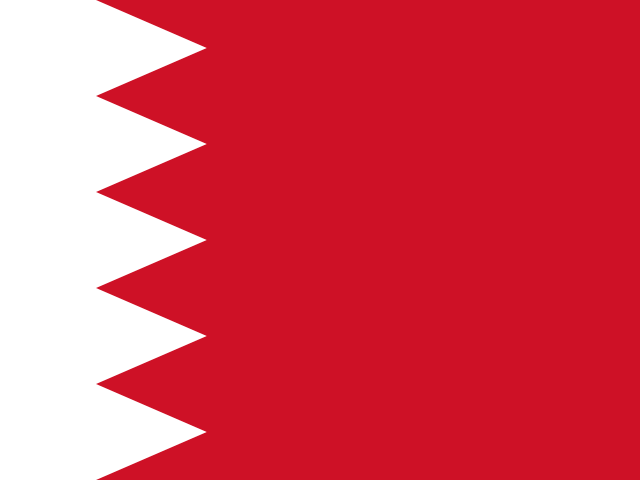 Bahrain
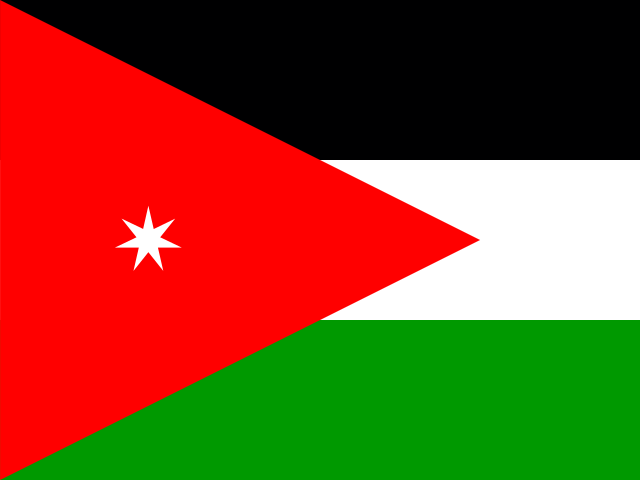 Jordan
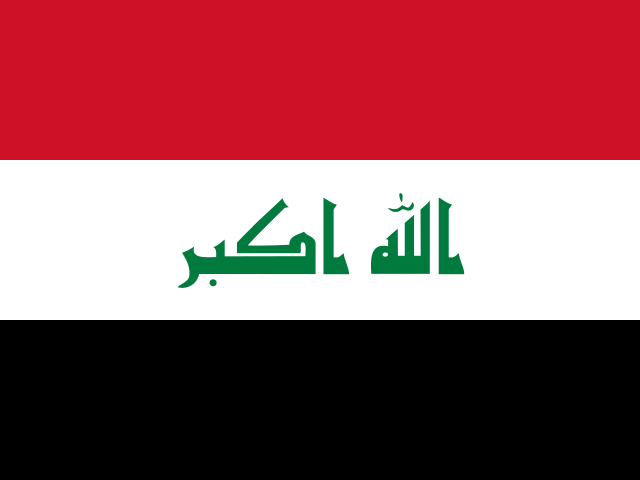 Iraq
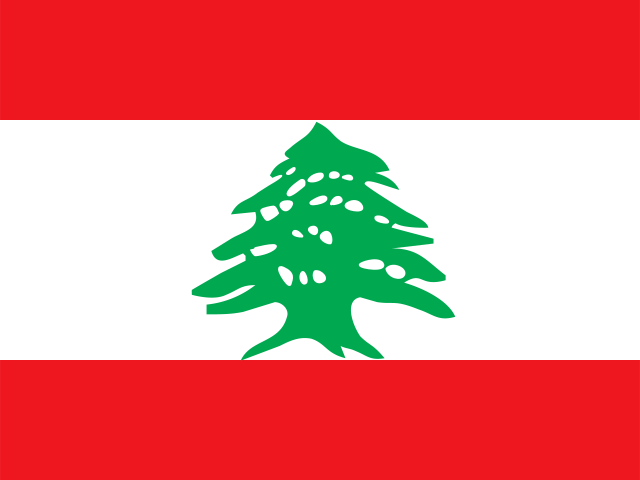 Lebanon
 Syria
 Palestine
 Egypt
 Sudan
 Yemen
 Morocco
 Algeria
 Tunisia
 Libya
 Mauritania
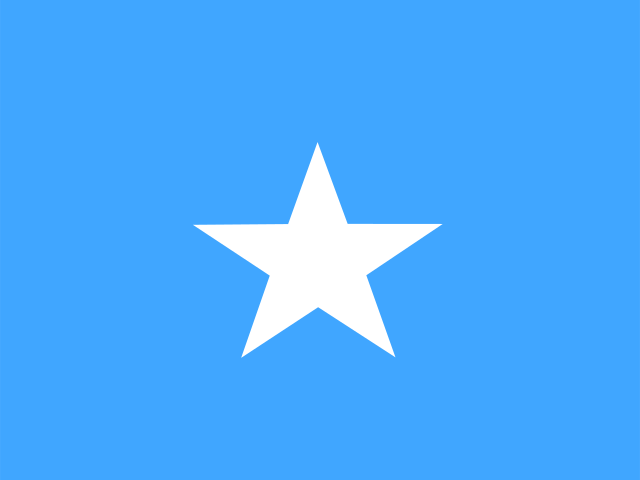 Somalia
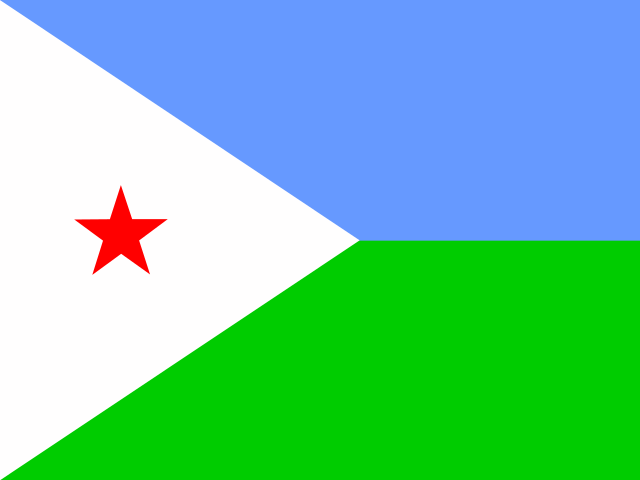 Djibouti
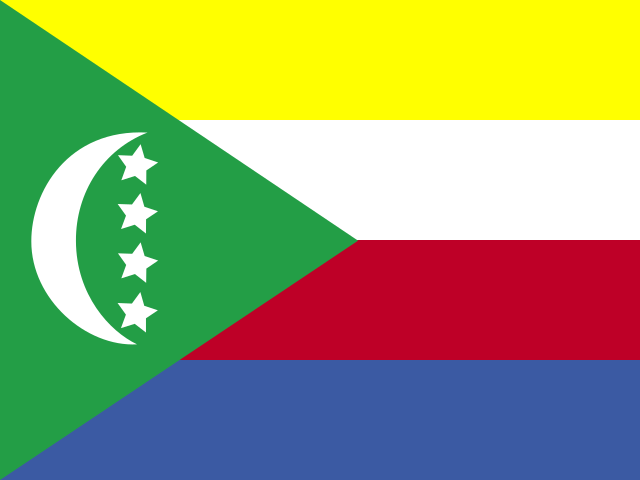 Comoros
How is tax on salaries and wages worked out in Mauritania?
Tax is worked out monthly. Start with gross salary including allowances, deduct compulsory pension and social insurance contributions, then exempt amounts, the main one being 6,000 ouguiyas of pay each month. What is left is the tax base.
Article 114 of the General Tax Code then applies to the tax base: 15% on the part up to 9,000 ouguiyas, 25% on the part from 9,000 to 21,000 and 40% above that. The law gives a shortcut: tax base x 0.25 minus 900 for the second band, and tax base x 0.40 minus 4,050 for the third.
Example: a salary of 25,000 ouguiyas. 150 ouguiyas go to social security and 6,000 are exempt, leaving a tax base of 18,850. Tax is 0.25 x 18,850 - 900 = 3,812.50 ouguiyas.
Which allowances and amounts are exempt?
Article 110 states that the first 6,000 ouguiyas of monthly pay is not taxed. Family allowances and any allowance paid because of family status are also exempt, as are other allowances up to 1,000 ouguiyas a month, except housing, transport, responsibility and position allowances.
Benefits in kind are exempt unless they exceed 20% of salary, and count in the tax base at 40% of their value. This calculator assumes no exempt allowances other than the 6,000 ouguiyas.
How much do social security and health insurance take?
The employee pays 1% to the National Social Security Fund (CNSS) on pay up to a ceiling of 15,000 ouguiyas a month, so at most 150 ouguiyas, and the employer pays 15% on the same basis, according to a recent PwC summary.
Private-sector employees are also covered by compulsory health insurance with the National Health Insurance Fund (CNAM) under a 2012 law. Employee and employer share the contribution, but its rate is set by a decree we could not see, so this calculator does not deduct it. Expect your actual net pay to be slightly lower.
What changed in 2026?
The 2026 Finance Law did not change tax on salaries and wages. Its tax provisions mainly concern the tax on financial transactions, a new tax on electronic transactions and customs changes.
The 2025 Finance Law did not touch this tax either, so the scale and the exemption stay as in the General Tax Code.
Who pays salary tax in Mauritania?
Every employee paid in Mauritania is taxed. So is anyone resident in Mauritania, even if they work abroad or for a foreign employer, and a non-resident if the work they are paid for is done in Mauritania.
You are resident if you have a permanent home in the country, or your centre of vital interests is there, subject to double tax treaties.
What must employers declare and pay?
Anyone who pays wages must withhold tax on payment, declare the withholdings and pay them to the treasury accountant by the 15th of the following month at the latest.
In the first half of February each year, the employer files an annual return with the General Tax Directorate summarising, for each employee, salaries, allowances, benefits, and social security and tax withholdings. An employee with a single employer usually needs to do nothing.
Practical tips for reading your payslip
Check that the 6,000 ouguiyas is deducted before tax is worked out, and that the social security contribution is no more than 150 ouguiyas a month. Look for a separate line for the CNAM contribution, as it is not included here.
Note that the marginal rate jumps to 40% as soon as the tax base passes 21,000 ouguiyas, which is a gross salary of about 27,150 ouguiyas.
For expats
Mauritanians working in France, Spain and the Gulf pay tax on their salaries in the country where they work, and pay Mauritanian salary tax only if they stay tax resident in Mauritania (a permanent home or centre of vital interests there), subject to double tax treaties. Money sent to family is not income subject to salary tax. Foreign workers in Mauritania, from Arab and African countries alike, such as those in mining and fishing, have the same monthly withholding as long as their work is done in the country.
Income tax rates
| Annual taxable income (MRU) | Rate |
|---|---|
| 0 to 108,000 | 15% |
| 108,000 to 252,000 | 25% |
| Over 252,000 | 40% |
The scale in the law is monthly: 15% up to 9,000 ouguiyas, 25% up to 21,000 and 40% above that, applied to pay after deducting social contributions and the exempt amount of 6,000 ouguiyas a month. The figures shown here are annual (x12).
Other taxes that matter in Mauritania
Capital gains
Under the General Tax Code (Law 2019.018, updated to the 2020 Finance Law), gains on selling securities are subject to tax on income from movable capital at 10% (20% if the seller is in a country with preferential tax treatment). Gains on property are subject to property income tax at 10%, and if the sale takes place more than two years after purchase, the gain is reduced by 5% for each year from the second year, up to 50%. We could not check changes made by later Finance Laws up to 2026.
Dividends
Dividends are subject to tax on income from movable capital at 10% under Article 126 of the General Tax Code in its 2020 updated version. We have not verified that this rate is unchanged in 2026.
Crypto
We found no law or official instruction in Mauritania that bans or regulates crypto-assets or sets their tax treatment.
Inheritance
We found no specific inheritance tax in the General Tax Code, but dividing assets among heirs is subject to 1% registration duty on the net assets divided if they exceed 100,000 new ouguiyas. Gifts to a spouse, parents or children are registered free of charge, and gifts to others pay the same duties as sales. Estates are divided under Islamic inheritance rules in the Personal Status Code.
Property and wealth
There is no wealth tax. An annual property tax (the property contribution) is charged on buildings and farmland under the General Tax Code.
Tax residency
Your tax home is in Mauritania if you own or have the use of a permanent home there, or, if you have no permanent home, your centre of vital interests is there, subject to tax treaties (Article 111 of the 2020 General Tax Code). We found no 183-day rule in the text we reviewed. We have not verified from an official source how to get a tax residency certificate.
Retirement and pensions
Public and private pensions are subject to the same tax as salaries if the recipient is resident in Mauritania, or if the payer is resident there and the recipient abroad. We could not confirm how foreign pensions are treated, and there is no special retirement visa.
Cost to the employer
The employer pays 13% to the National Social Security Fund (CNSS) and the worker 1%, according to the fund's website. The National Health Insurance Fund (CNAM) has covered the private sector since 2012, but we could not confirm its contribution rate or the ceiling on pay subject to contributions from an official source, so we have not given a total.
Social insurance
| Contribution | Employee | Employer | Applies to | Cap |
|---|---|---|---|---|
| CNSS social security | 1% | 15% | Private-sector employees | On pay up to 15,000 ouguiyas a month (secondary source) |
Work out your own pay in Mauritania
Instant result, monthly and yearly, with every deduction itemised.
Common questions about taxes in Mauritania
How is salary tax worked out in Mauritania in 2026?
From monthly salary, deduct the social security contribution and then the 6,000 MRU exemption, and apply to the rest 15% up to 9,000 MRU, 25% up to 21,000 and 40% above that. The scale did not change in 2026.
What amount of salary is tax free in Mauritania?
6,000 MRU a month of pay. In practice, anyone with a gross salary of no more than about 6,060 MRU pays no tax after the 1% social security deduction.
How much is left from a 15,000 ouguiya salary?
About 13,522 MRU before the CNAM contribution: 150 MRU goes to social security and 1,327.50 to salary tax.
How much is left from a 25,000 ouguiya salary?
About 21,037 MRU before the CNAM contribution: 150 MRU for social security and 3,812.50 in tax.
What is the social security rate in Mauritania?
According to a recent PwC summary: 1% from the employee and 15% from the employer, on pay up to 15,000 MRU a month. We could not confirm this on the fund's website.
Is CNAM health insurance deducted from salary?
Yes, health insurance has been compulsory for private-sector employees since a 2012 law, shared between employee and employer at a rate set by decree. This calculator does not deduct it because we have not verified its current rate.
Did the 2026 Finance Law change salary tax?
No. The 2026 Finance Law did not amend the articles on tax on salaries and wages; its tax changes concern financial transactions, electronic transactions and customs.
What is the VAT rate in Mauritania?
16% according to PwC's summary, with a 0% rate on exports. It does not come off your salary; it is included in prices.
Sources
- General Tax Code (Law 2019-018), 2020 edition published on the tax administration website: articles 110, 113 and 114 Official source · checked 2 October 2026
- Finance Law for 2026 (Ministry of Economy and Finance): its tax provisions do not change the tax on salaries and wages Official source · checked 2 October 2026
- Finance Law for 2025: its tax provisions do not change the tax on salaries and wages Official source · checked 2 October 2026
- PwC Worldwide Tax Summaries, Mauritania: the same scale and exemption (reviewed 7 August 2026) Secondary source used to cross-check · checked 2 October 2026
- PwC Worldwide Tax Summaries, Mauritania: CNSS 1% for the employee and 15% for the employer, up to 15,000 ouguiyas a month Secondary source used to cross-check · checked 2 October 2026
- PwC Worldwide Tax Summaries, Mauritania: VAT 16% and corporate tax 25% Secondary source used to cross-check · checked 2 October 2026
- Law 2012-007 extending health insurance (CNAM) to the private sector: the contribution rate is set by decree Official source · checked 2 October 2026
- Bank of Algeria: daily exchange rates (cross rate for the ouguiya) Secondary source used to cross-check · checked 2 October 2026