 Saudi Arabia
 United Arab Emirates
 Qatar
 Kuwait
 Oman
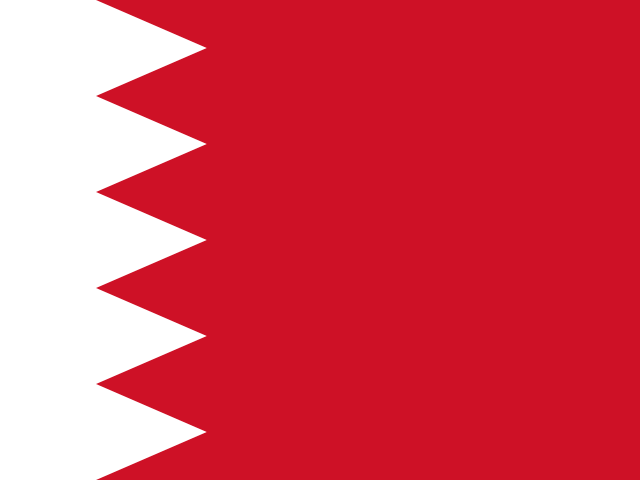 Bahrain
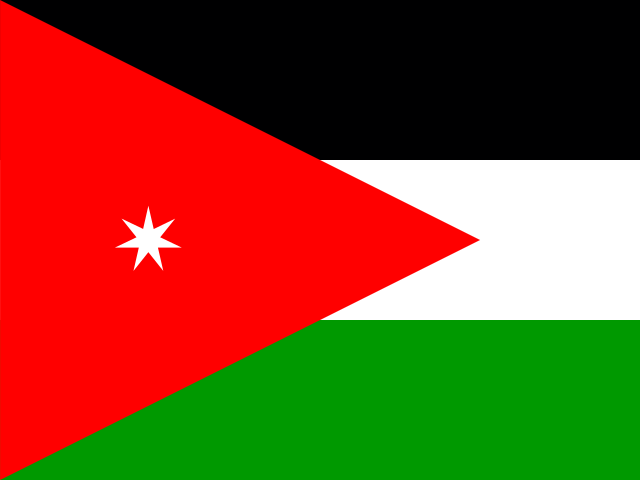 Jordan
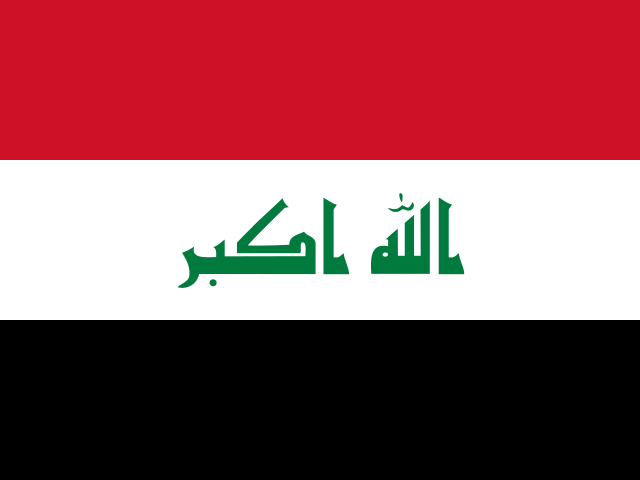 Iraq
 Lebanon
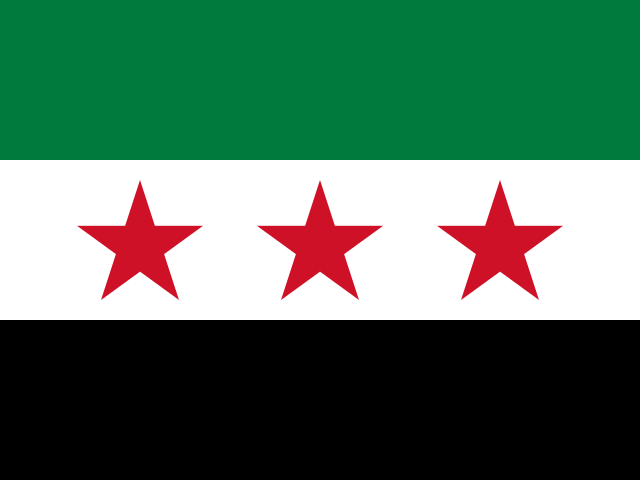 Syria
 Palestine
 Egypt
 Sudan
 Yemen
 Morocco
 Algeria
 Tunisia
 Libya
 Mauritania
 Somalia
 Djibouti
 Comoros
Is there tax on salaries in Qatar?
No. Qatar has no income tax on employees' salaries in 2026, for Qataris or residents. Qatari income tax applies at 10% to business profits and does not touch salaries.
So employees do not file a tax return for their salary, and employers do not withhold any tax. For Qataris, the only gap between gross and net pay is the social insurance contribution.
What is the social insurance rate for Qataris?
Under Article 11 of Social Insurance Law No. 1 of 2022, the contribution is 21%: 7% is deducted from the employee's salary and the employer pays 14%. This applies to Qataris in both the government and private sectors.
The contribution is charged on the contribution salary, which is basic salary plus social allowance and housing allowance, with the housing allowance counted up to 6,000 riyals a month and the total capped at 100,000 riyals a month. Example: a Qatari with a contribution salary of 30,000 riyals has 2,100 riyals deducted each month.
Do expats pay social insurance in Qatar?
No. The Social Insurance Law defines an insured person as a Qatari employee or worker, so no contribution is deducted from an expat's salary and expats do not get a retirement pension from the authority.
An expat's protection at the end of a contract comes from the end-of-service gratuity in the Labour Law, paid by the employer. GCC nationals working in Qatar fall under the GCC extension of insurance protection and pay contributions under their home country's system.
How do I calculate end-of-service gratuity in Qatar?
Article 54 of Labour Law No. 14 of 2004 says a worker who has completed one full year or more is entitled to a gratuity agreed by both sides, provided it is not less than 3 weeks' pay for each year of service, with part years counted pro rata. It is calculated on the last basic pay, not on allowances.
In practice: basic salary ÷ 30 × 21 × number of years. Example: basic pay of 10,000 riyals and 6 years of service gives at least 42,000 riyals. If your contract gives more than 3 weeks, the contract applies.
The law does not reduce the gratuity if you resign, but it can be withheld if you are dismissed for one of the serious reasons in Article 61. The employer may also deduct any amount the worker owes it.
Do Qataris get an end-of-service gratuity?
Qataris are covered by the retirement and social insurance system, and Article 56 of the Labour Law exempts an employer that provides a retirement scheme with greater benefit from paying the gratuity on top. So a Qatari usually gets a pension or compensation from the General Retirement and Social Insurance Authority instead of the gratuity.
If the scheme's benefit is less than the gratuity, the employer must pay the gratuity and refund what the worker contributed, and the worker may choose between the gratuity and the pension.
Corporate tax and the global minimum tax
Qatar charges income tax of 10% on the profits of taxable business activities, with a minimum of 35% on petroleum and petrochemical activities. No VAT is applied yet.
For financial years starting on or after 1 January 2025, Qatar applies a 15% minimum tax under Law No. 22 of 2024 to multinational groups with revenue of 750 million euros or more. These rules concern large companies and do not touch employees' salaries.
Freelancing in Qatar
A person carrying on a business or professional activity in Qatar may pay 10% income tax on the profits of that activity, separately from salary. A self-employed Qatari can join social insurance under the income bands set by the law.
If you are an employee earning only a salary, you do not need any tax registration.
Practical tips for reading your pay in Qatar
Make sure your contract separates basic salary from allowances, because the end-of-service gratuity is calculated on basic pay only. A contract with low basic pay and large allowances means a smaller gratuity.
If you are Qatari, check that your housing allowance is included in your contribution salary, because the law counts it up to 6,000 riyals and it affects your pension when you retire.
What changed in 2026?
- No change to social insurance rates for 2026: 7% for Qataris and 14% for the employer, capped at 100,000 riyals a month under Law No. 1 of 2022.
- Council of Ministers Decision No. 2 of 2026 set out the rules for applying the 15% global and domestic minimum tax to large multinationals (Law No. 22 of 2024). It has no effect on salaries.
- There is no income tax on salaries and no VAT in 2026.
For expats
For expats in Qatar: you keep your full salary, with no tax and no social insurance. Your most important right when you leave is the end-of-service gratuity calculated on basic pay, so make sure your basic pay is clearly stated in your contract. Money you send home is not subject to Qatari tax. Because Qatar does not tax salaries, you will not usually need a double tax treaty for your pay, but check your home country's rules if you are still tax resident there.
Income tax rates
Qatar does not tax employees' salaries in 2026. The only possible deduction is a social insurance or pension contribution, which can differ between nationals and expats.
Other taxes that matter in Qatar
Capital gains
Article 4 of Income Tax Law No. 24 of 2018 exempts an individual's gains from selling property or securities if they are not assets of a taxable business, and it also exempts a non-Qatari investor's share of gains from trading securities listed on the Qatar Stock Exchange. However, the General Tax Authority's 2026 guide treats the sale of shares in a company registered in Qatar as subject to capital gains tax of 10% on the net gain, and expressly limits the exemption for these shares to Qataris and resident GCC nationals. So an expat may pay 10% when selling a stake in an unlisted Qatari company. Qataris and resident GCC nationals pay no tax but file a return when they sell shares.
Dividends
Under Article 4 of the law, dividends are exempt from income tax if paid out of profits that have already been taxed or out of an exempt company's profits, and nothing is withheld when they are paid to a resident individual. A non-Qatari investor's share of the profits of listed companies and exchange-traded funds is also exempt.
Crypto
Since 2018, Qatar Central Bank circulars have barred financial institutions from dealing in virtual assets, and the bank does not license such services. We took this from legal summaries because the circular's text was not available to us on the bank's website. In 2024 the Qatar Financial Centre Regulatory Authority confirmed that cryptocurrencies and stablecoins remain excluded tokens under its digital assets framework, which is limited to tokenising shares, bonds and property, and that the ban on providing such services inside the centre continues.
Inheritance
There is no estate tax in Qatar: Article 2 of the law issuing the Income Tax Law excludes inheritance, bequests and capital gains from selling an estate or a share in one. Muslims' estates are divided under the Islamic inheritance rules in the Family Law.
Property and wealth
Qatar has no wealth tax and no annual tax on residential property. The taxes run by the General Tax Authority are income tax on business activities and capital gains, withholding tax, excise tax and the global minimum tax on companies. Non-Qataris may own property in designated areas: property worth 730,000 riyals gives residence without a sponsor, and property worth 3.65 million riyals gives residence with the benefits of permanent residency.
Tax residency
The Income Tax Law defines a resident as someone who has a permanent home available in Qatar, or who stays there for more than 183 days, consecutive or not, in the year, or who holds Qatari nationality. This changes nothing for tax on your salary, because the law does not apply to salaries and wages. The General Tax Authority issues tax residency certificates through the Dhareeba online portal, for a fee paid when you apply. An individual attaches proof of residence of more than 183 days (Qatar ID, passport or an entry and exit statement from the Ministry of Interior), or a tenancy contract or Kahramaa bill to prove a permanent home, or proof of their centre of vital interests, together with a letter from their employer.
Retirement and pensions
Pensions are not taxed in Qatar: the law does not apply to salaries and wages, a resident Qatari's income is exempt, and a foreign pension is not income from an activity in Qatar. Qatari pensions are paid by the General Retirement and Social Insurance Authority. There is no retirement visa; the closest option for a retired expat is residence through owning property worth 730,000 riyals or more.
Cost to the employer
For a Qatari employee, the employer pays 14% and the employee 7% under Social Insurance Law No. 1 of 2022, on the contribution salary up to 100,000 riyals a month. Expats are not covered by social insurance, so the employer pays no contribution for them; instead the employer owes an end-of-service gratuity after a full year of at least 3 weeks' basic pay for each year, under Article 54 of the Labour Law.
Social insurance
| Contribution | Employee | Employer | Applies to | Cap |
|---|---|---|---|---|
| Social insurance (Law No. 1 of 2022) | 7% | 14% | Qataris in the government and private sectors | Contribution account salary capped at 100,000 Qatari riyals a month, with the housing allowance counted up to 6,000 riyals |
Work out your own pay in Qatar
Instant result, monthly and yearly, with every deduction itemised.
Common questions about taxes in Qatar
Is there tax on salaries in Qatar?
No. Qatar has no income tax on employees' salaries in 2026, for Qataris or expats. The 10% tax applies only to business profits.
What is the social insurance rate in Qatar?
7% for the Qatari employee and 14% for the employer, 21% in total, on basic salary, social allowance and housing allowance, up to 100,000 riyals a month.
Is anything deducted from an expat's salary in Qatar?
No tax or social insurance is deducted from an expat's salary. Net pay equals gross unless there are contractual deductions.
How do I calculate end-of-service gratuity in Qatar?
At least 3 weeks' basic pay for each year once you have completed a year of service: basic ÷ 30 × 21 × number of years. Basic pay of 10,000 riyals and 6 years gives 42,000 riyals.
Is the Qatar gratuity reduced if I resign?
No. Qatari labour law does not reduce the gratuity when you resign, provided you have completed a year of service, unless you are dismissed for one of the reasons in Article 61.
Is the Qatar gratuity based on basic or gross salary?
On the last basic salary, under Article 54 of the Labour Law. Allowances such as housing and transport are only included if the contract says so.
Is there VAT in Qatar?
No. VAT is not applied in Qatar as of 2026. There is an excise tax on tobacco, energy drinks and sweetened drinks.
What is the maximum salary for social insurance in Qatar?
100,000 riyals a month, so the most a Qatari can have deducted is 7,000 riyals a month. Anyone whose salary was higher than that before the law came into force may continue on their actual salary.
What is the corporate tax rate in Qatar?
10% on the profits of taxable activities, with a 15% minimum since 2025 for multinational groups whose revenue exceeds 750 million euros.
Sources
- Law No. (1) of 2022 issuing the Social Insurance Law, Official Gazette issue 7 of 3 July 2022 (Articles 1, 11, 12 and 13) Official source · checked 2 October 2026
- Labour Law No. (14) of 2004 (Articles 54, 56 and 61) Official source · checked 2 October 2026
- General Tax Authority: taxes information (income tax of 10% on business activities, no VAT in force) Official source · checked 2 October 2026
- General Tax Authority: global and domestic minimum tax of 15% (Law No. 22 of 2024) Official source · checked 2 October 2026