 Saudi Arabia
 United Arab Emirates
 Qatar
 Kuwait
 Oman
 Bahrain
 Jordan
 Iraq
 Lebanon
 Syria
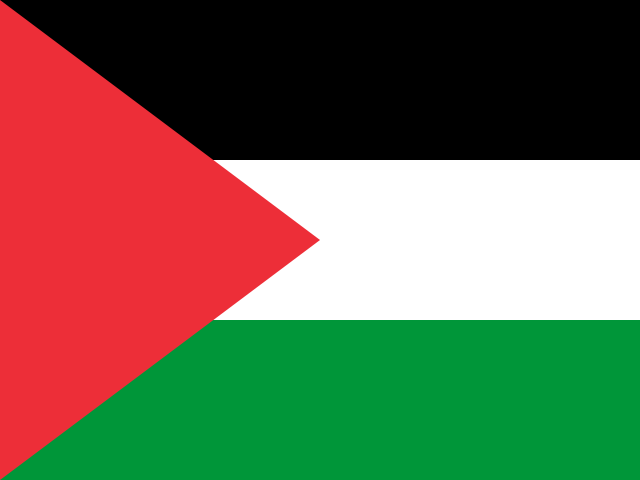 Palestine
 Egypt
 Sudan
 Yemen
 Morocco
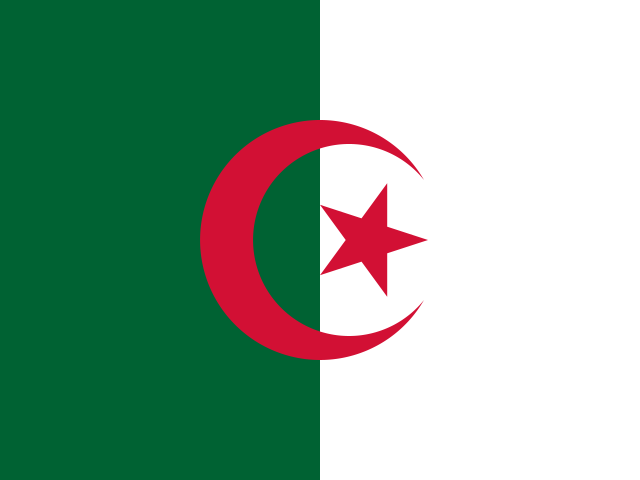 Algeria
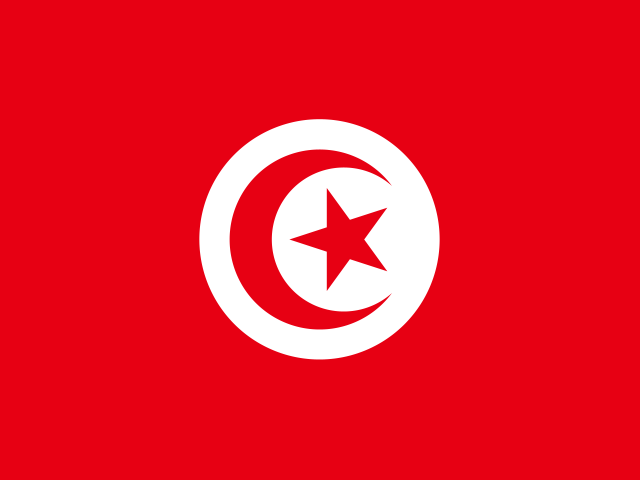 Tunisia
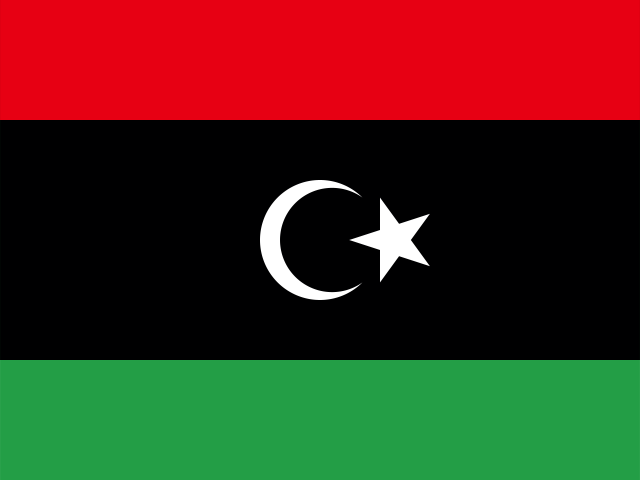 Libya
 Mauritania
 Somalia
 Djibouti
 Comoros
Saudi Arabia vs Sri Lanka: salary after tax compared
What you keep of the same gross salary at home in Sri Lanka and in a job in Saudi Arabia, under the official 2026 rules of each country.
On a gross salary of $3,000 a month, an employee in Sri Lanka keeps about $1,964 (34.5% deducted), against about $3,000 for an expat in Saudi Arabia (0% deducted). Sri Lanka: income tax 0% up to 1,800,000 rupees a year (150,000 a month), then 6% to 36%. Saudi Arabia: no income tax on salaries.
Monthly take-home pay at 6 salary levels
Each gross salary is converted into local currency at a fixed exchange rate and run through each country's 2026 rules. Take-home pay is shown in US dollars, with the local amount under it. Sri Lanka is for an employee there; Saudi Arabia is for a single expat employee.
| Gross a month (USD) | Sri Lanka take-home | Saudi Arabia take-home | Difference a month |
|---|---|---|---|
| $1,000 | $839 277,615 LKR | $1,000 3,750 SAR | $161 more in Saudi Arabia |
| $2,000 | $1,404 464,530 LKR | $2,000 7,499 SAR | $596 more in Saudi Arabia |
| $3,000 | $1,964 649,794 LKR | $3,000 11,249 SAR | $1,036 more in Saudi Arabia |
| $5,000 | $3,084 1,020,324 LKR | $5,000 18,748 SAR | $1,916 more in Saudi Arabia |
| $8,000 | $4,764 1,576,119 LKR | $8,000 29,996 SAR | $3,236 more in Saudi Arabia |
| $12,000 | $7,004 2,317,178 LKR | $12,000 44,994 SAR | $4,996 more in Saudi Arabia |
Exchange rates: 1 LKR = 0.0030227 USD (30 September 2026), 1 SAR = 0.2667 USD (2 October 2026).
Which leaves you more?
Saudi Arabia leaves you more at every salary level we compared. On $3,000 a month gross, the difference is about $1,036 a month ($12,430 a year) in favour of Saudi Arabia.
The Gulf figures are for an expat. Saudi Arabia treats nationals differently: they pay pension contributions that expats do not. Switch to national in the calculator to see their figures.
Deductions on $3,000 a month, line by line
Every deduction from the same gross salary in each country, in local currency, with the calculator's notes.
- The personal relief is 1,800,000 rupees a year, so taxable income is 10,109,882 rupees.
- Your employer deducts tax monthly under APIT Table No. 1, and the annual result is the same if your salary is fixed. Tax on annual bonuses is deducted under a different table.
- EPF is savings in your name, paid out at retirement (55 for men and 50 for women) or on emigration. It is not a tax and is not deducted from taxable income.
- The calculation is for a resident employee in their primary employment. A second job has tax deducted at a higher flat rate, and the difference is settled in the return.
- There is no income tax on salaries in Saudi Arabia.
- We assumed the contributory wage equals your gross salary, up to the cap of 45,000 Saudi riyals a month. In practice the contribution is worked out on the basic wage plus housing allowance only, so if part of your pay is other allowances (transport, for example) the actual deduction will be lower.
- Nothing is deducted from a non-Saudi employee's salary. The employer pays 2% for occupational hazards, and the employee is entitled to an end-of-service award when the contract ends.
Income tax and social insurance side by side
| Item | Sri Lanka | Saudi Arabia |
|---|---|---|
| Income tax on salaries | 0% up to 1,800,000 rupees a year (150,000 a month), then 6% to 36% | None |
| Top income tax rate | 36% | 0% |
| Employee social insurance | EPF at 8% of total pay, with no ceiling | Expats 0%, Saudi nationals 9.75% (annuities 9% + SANED 0.75%), or 10.5% on average in 2026 for those under the new system |
| Employer contributions on $3,000 | 15% | 2% |
| VAT (standard rate) | 18% | 15% |
| Corporate tax | 30% | 20% |
| End-of-service gratuity | No general scheme | Set by the labour law |
| Currency | Sri Lankan rupee (LKR) | Saudi riyal (SAR) |
| Tax authority | Inland Revenue Department | Zakat, Tax and Customs Authority (ZATCA) |
| Double tax treaty between them | Not covered by our treaty data | |
Where the numbers shift
- Turning point
- The better choice does not change between $500 and $30,000 a month
- Taken from your next raise (on $3,000)
- Sri Lanka 36% · Saudi Arabia 0%
- Marginal rate on $10,000
- Sri Lanka 36% · Saudi Arabia 0%
- Tax freedom day ($3,000)
- Sri Lanka 7 May · Saudi Arabia 1 January
- Take-home after VAT on spending
- Sri Lanka $1,665 · Saudi Arabia $2,609
- Employer cost on top of salary
- Sri Lanka 15% · Saudi Arabia 2%
Take-home after VAT = take-home pay ÷ (1 + the standard VAT rate): what the salary is worth if all of it is spent on goods at the standard rate. Tax freedom day: the day of the year on which you stop working to pay tax and contributions.
End-of-service gratuity
Saudi Arabia requires employers to pay a lump sum when the contract ends. Sri Lanka has no general scheme. Amounts below are for $3,000 a month, with basic pay at 70% of gross and the contract ended by the employer.
| Years of service | Saudi Arabia |
|---|---|
| 2 years | $3,000 11,249 SAR |
| 5 years | $7,500 28,121 SAR |
| 10 years | $22,500 84,364 SAR |
Resigning can reduce the amount in some countries. The end-of-service calculators apply each country's full rules.
Beyond salary: investments, family and residence
| Item | Sri Lanka | Saudi Arabia |
|---|---|---|
| Gains on shares (top rate) | 15% | 0% |
| Gains on property (top rate) | 15% | 0% |
| Dividends | 15% | 0% |
| Crypto gains | Not settled | Not settled |
| Inheritance tax | No | No |
| Remote work visa | None | None |
Moving from Sri Lanka to Saudi Arabia: what changes
- On $3,000 a month you gain about $1,036 a month after the move ($12,430 a year), because the deduction rate falls from 34.5% to 0%.
- On $10,000 a month, each extra dollar of a raise loses 0% in Saudi Arabia instead of 36% in Sri Lanka, so pay rises are worth more after the move.
- VAT falls from 18% to 15%: spending $1,000 a month on standard-rated goods costs about $25 less each month.
- You gain a legal right to an end-of-service gratuity in Saudi Arabia (about $7,500 after 5 years on $3,000 a month), which no general scheme provides in Sri Lanka.
- Gains on shares: not taxed in Saudi Arabia, against up to 15% in Sri Lanka.
- Dividends: not taxed in Saudi Arabia, against 15% in Sri Lanka.
- Tax residence in Saudi Arabia: Under Article 3 of the Implementing Regulations of the Income Tax Law, an individual is resident if they have a permanent home in the Kingdom and are present there for at least 30 days in the tax year, or if they are present for at least 183 days, consecutive or not, even without a permanent home. You may also stay tax resident in Sri Lanka if you do not end your residence there. Count your days.
Sri Lanka vs Saudi Arabia: common questions
Which pays more after tax, Sri Lanka or Saudi Arabia?
Saudi Arabia leaves you more at every salary level we compared. On $3,000 a month gross, the difference is about $1,036 a month ($12,430 a year) in favour of Saudi Arabia.
How much is left of $3,000 a month in Sri Lanka and Saudi Arabia?
On a gross salary of $3,000 a month, an employee in Sri Lanka keeps about $1,964 (34.5% deducted), against about $3,000 for an expat in Saudi Arabia (0% deducted). Sri Lanka: income tax 0% up to 1,800,000 rupees a year (150,000 a month), then 6% to 36%. Saudi Arabia: no income tax on salaries.
How much is left of $12,000 a month in each?
About $7,004 in Sri Lanka and $12,000 in Saudi Arabia. The gap grows with pay because the marginal rates at this salary differ (36% against 0%).
Do expats pay social insurance in Saudi Arabia?
Expats 0%, Saudi nationals 9.75% (annuities 9% + SANED 0.75%), or 10.5% on average in 2026 for those under the new system. On $3,000 a month an expat has 0% deducted in total.
Is VAT higher in Sri Lanka or Saudi Arabia?
VAT is 18% in Sri Lanka and 15% in Saudi Arabia. VAT applies to most of what you buy, so it changes what a salary is worth even when take-home pay is the same.
Is there a double tax treaty between Sri Lanka and Saudi Arabia?
Our treaty data does not cover this pair. Check the tax authority of each country.
Does the comparison include the cost of living?
No. It covers taxes and mandatory contributions only, at fixed, dated exchange rates. Rent, schooling and health care can change the result, so weigh them next to these figures.
Sources
Rates and bands come from each country's official sources. Sri Lanka last checked 9 October 2026, Saudi Arabia 2 October 2026.
- Inland Revenue (Amendment) Act No. 2 of 2025: rates of 6% to 36% and personal relief of 1,800,000 from 1 April 2025 Sri Lanka · official source
- Inland Revenue (Amendment) Act No. 11 of 2026 (no change to individual rates; capital gains tax raised) Sri Lanka · official source
- Inland Revenue Department: APIT Tax Table No. 1 (150,000 monthly relief and simplified formulas) Sri Lanka · official source
- Employees' Provident Fund: at least 8% from the employee and 12% from the employer on total earnings Sri Lanka · official source
- GOSI: guide to the gradual increase in annuities contribution rates (2024 to 2028 schedule) Saudi Arabia · official source
- GOSI awareness platform: who the new system covers (SANED 0.75% and 0.75%, occupational hazards 2%) Saudi Arabia · official source
- GOSI: employer journey (45,000 riyal cap, parts of the contributory wage) Saudi Arabia · official source
- GOSI: annuities page (9% on the contributor and 9% on the employer under the previous system) Saudi Arabia · official source
Results are estimates for information only, not tax advice. How we calculate.
Related comparisons
Send it to someone who needs it
Share this page in a second, or add the site to your phone so it opens with one tap, like an app.
On iPhone: tap Share in the browser, then "Add to Home Screen".
Bookmark it: Ctrl + D
Follow us on InstagramFacebook