 Saudi Arabia
 United Arab Emirates
 Qatar
 Kuwait
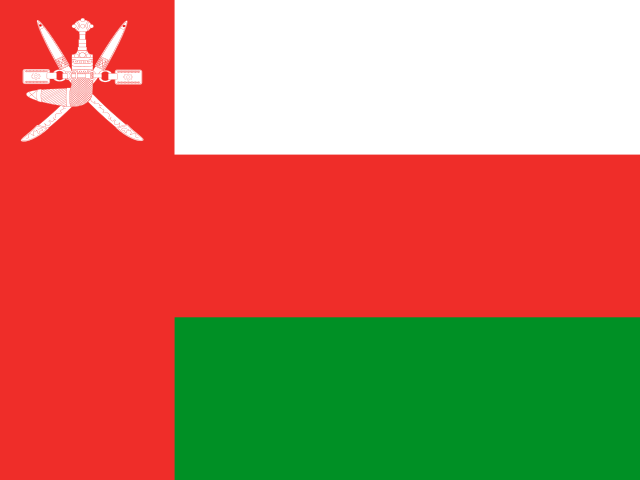 Oman
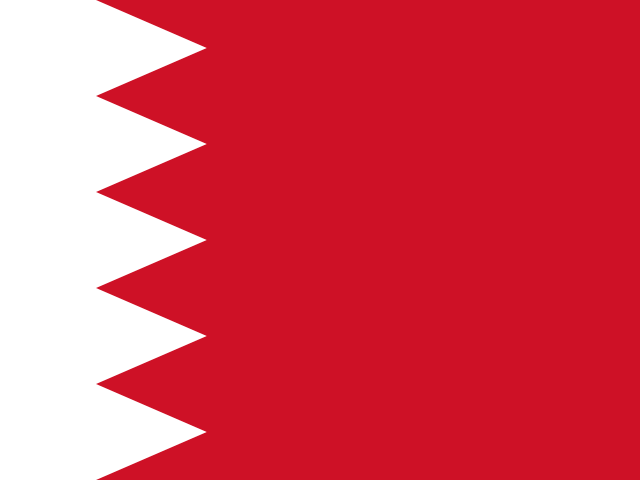 Bahrain
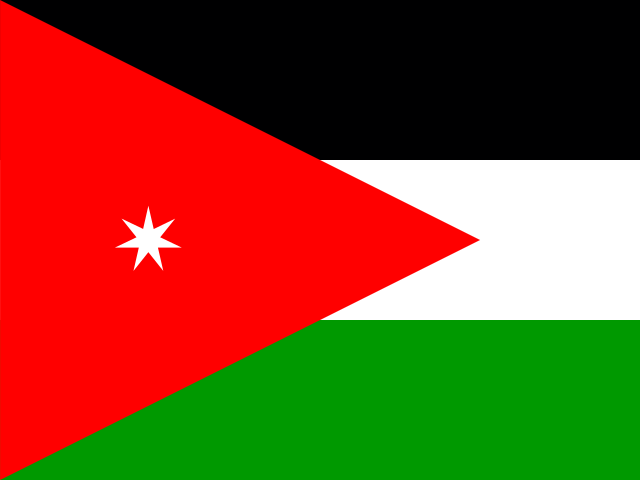 Jordan
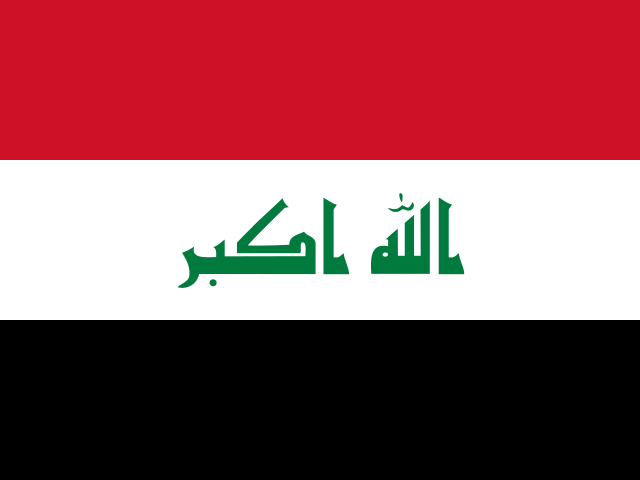 Iraq
 Lebanon
 Syria
 Palestine
 Egypt
 Sudan
 Yemen
 Morocco
 Algeria
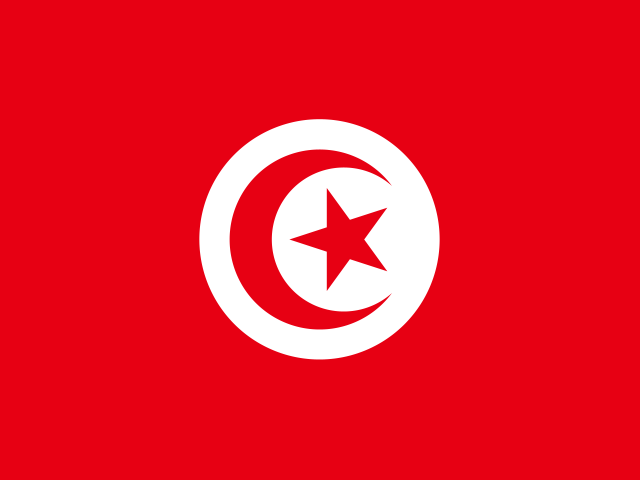 Tunisia
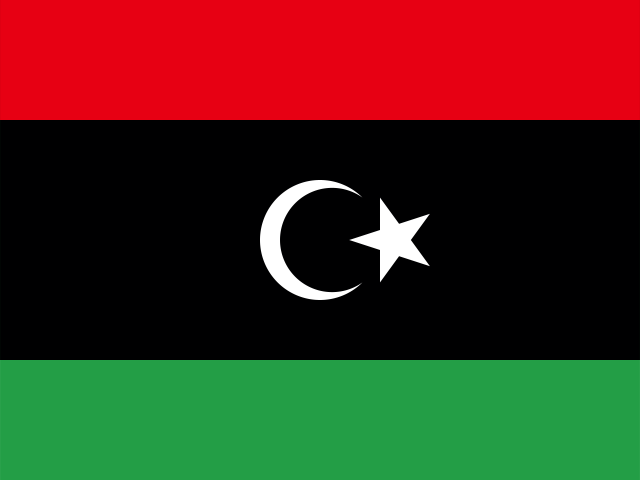 Libya
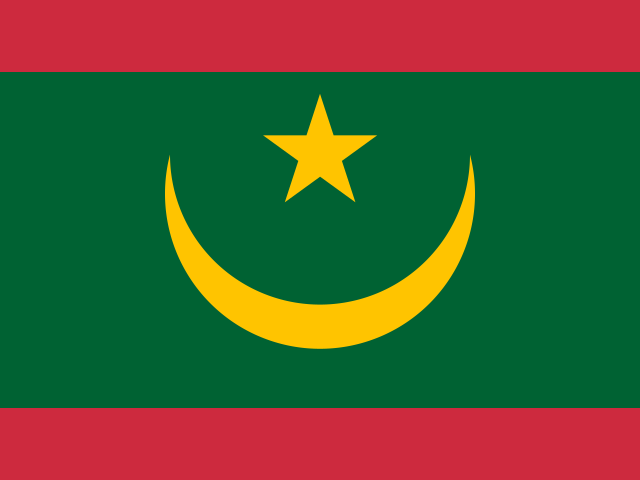 Mauritania
 Somalia
 Djibouti
 Comoros
Is there income tax on salaries in Saudi Arabia?
No. Saudi Arabia has no income tax on individual salaries in 2026, whether you are Saudi or a resident expat. You do not file a tax return for your salary, and your employer does not withhold any tax from it.
The only gap between gross and net pay is the social insurance contribution, and that is deducted from Saudi employees only. So an expat's net salary is usually the same as the gross, unless there are contractual deductions such as a salary advance or extra insurance.
How much social insurance does a Saudi employee pay in 2026?
Under the old system, meaning anyone who was already contributing before 3 July 2024, the employee pays 9% to the pension branch and 0.75% to Saned, 9.75% in total. The employer pays the same 9% and 0.75%, plus 2% for occupational hazards.
Contributions are charged on basic pay plus housing allowance only, not on every allowance, up to 45,000 riyals a month. So if your salary is 10,000 riyals and all of it is basic plus housing, 975 riyals is deducted each month and you receive 9,025 riyals.
What changed under the new social insurance law?
The new Social Insurance Law was issued by Royal Decree M/273 and took effect on 3 July 2024. It applies to people who join the labour market for the first time after that date and have no earlier contribution period under the civil retirement or social insurance systems.
For them the pension rate rises by 0.5% a year for both the employee and the employer: 9% in 2024, 9.5% from 1 July 2025, 10% from 1 July 2026, 10.5% in 2027, reaching 11% on 1 July 2028. Saned stays at 0.75%. People who were contributing before 3 July 2024 are not affected by these increases.
Do expats pay social insurance in Saudi Arabia?
A non-Saudi employee is covered by the occupational hazards branch only, at 2% of pay, and the employer pays all of it. Nothing is deducted from an expat's salary for pensions or Saned, and expats do not get a GOSI retirement pension.
Instead, the Labour Law protects an expat's right to an end-of-service gratuity, paid by the employer when the contract ends. GCC nationals working in Saudi Arabia usually fall under the GCC extension of insurance protection and pay contributions under their home country's system.
How do I calculate end-of-service gratuity in Saudi Arabia?
Under Article 84 of the Labour Law, the gratuity is half a month's pay for each of the first five years and a full month's pay for each year after that, based on your last pay, with part years counted. Pay here means actual pay: basic plus fixed allowances such as housing.
If you resign, Article 85 says: no gratuity for less than two years of service, one third of it from two to 5 years, two thirds for more than 5 and less than 10 years, and the full gratuity after 10 years. If the employer ends the contract, or a fixed-term contract expires, you get the full gratuity.
Example: actual pay of 10,000 riyals and 6 years of service gives 25,000 riyals for the first 5 years and 10,000 for the sixth year, so 35,000 riyals. If you resign, you are entitled to two thirds of that, about 23,333 riyals.
VAT and zakat on companies
VAT in Saudi Arabia is 15%. It is run by the Zakat, Tax and Customs Authority and is included in the price of most goods and services you buy.
For companies, income tax of 20% applies to the share held by non-Saudi partners, and zakat of 2.5% applies to the share held by Saudis and GCC nationals. These taxes fall on company profits and do not touch an employee's salary.
Freelancers and the self-employed
A Saudi working for themselves pays no income tax on personal profits, but may owe zakat if they own a registered business, and may have to register for VAT if their revenue passes the mandatory registration threshold.
An expat usually cannot work for themselves except under the schemes that allow it, and a business owned by non-Saudis pays 20% income tax on its profits.
Practical tips for reading your payslip
Check that the pay registered with GOSI matches your basic plus housing. Registering a lower wage cuts the deduction today but lowers your pension and gratuity later. You can check your registered pay and contribution periods in the GOSI app or on its website.
If you are Saudi and started your first job after July 2024, expect the deduction to rise by 0.5% every July until 2028. If you are an expat, keep your contract and payslips, because they are the basis for working out your end-of-service gratuity.
What changed in 2026?
- From 1 July 2026, the pension contribution for Saudis under the new Social Insurance Law rises from 9.5% to 10% for both the employee and the employer, in line with the phased increase in the law issued by Royal Decree M/273.
- No change for contributors under the old system (9% pensions and 0.75% Saned paid by the employee), and no change to the maximum pay subject to contributions (45,000 riyals a month).
- There is no income tax on salaries in 2026.
For expats
For expats in Saudi Arabia: your salary is not subject to income tax and no social insurance is deducted from it, so the gross is roughly what you take home. What protects you when the contract ends is the end-of-service gratuity under Article 84 of the Labour Law, so make sure the pay in your contract and payslips reflects what you actually earn. Money you send home is not subject to Saudi income tax, and because Saudi Arabia does not tax your salary you will not usually need a double tax treaty for it. Your home country may still tax its own residents, though, so check its rules if you keep tax residence there.
Income tax rates
Saudi Arabia does not tax employees' salaries in 2026. The only possible deduction is a social insurance or pension contribution, which can differ between nationals and expats.
Other taxes that matter in Saudi Arabia
Capital gains
Saudi Arabia does not charge income tax on individuals' gains from selling shares or property unless they do it as a business. Trading shares of companies listed on the Saudi stock exchange by a resident individual is not a taxable activity, and gains on securities traded on the Saudi market are exempt under the conditions in the regulations. Selling property does attract the Real Estate Transaction Tax of 5% of the transaction value, not of the profit. A non-Saudi resident who carries on business in the Kingdom pays 20% income tax on the income from that business.
Dividends
There is no tax on dividends received by a resident individual. Withholding tax of 5% applies to dividends paid from a Saudi source to a non-resident, and double tax treaties may reduce this rate.
Crypto
In 2018 an official committee chaired by the Capital Market Authority, with the Saudi Central Bank as a member, warned that virtual currencies such as bitcoin are not recognised as legal currency and that no entity is licensed to trade them inside the Kingdom. No explicit provision criminalises individuals holding them, and no income tax applies to gains of an individual who is not carrying on a business.
Inheritance
There is no inheritance or gift tax in Saudi Arabia, and estates are divided under Islamic inheritance rules. Under the authority's guide, dividing inherited property among heirs according to their Islamic shares, and gifting property to a spouse or relatives up to the third degree, are exempt from the Real Estate Transaction Tax, but an heir who sells the property after the division pays it.
Property and wealth
There is no wealth tax and no annual tax on your home. Saudis and GCC nationals who run a licensed business pay zakat of 2.5% of the zakat base to the Zakat, Tax and Customs Authority; this levy does not cover salary or personal savings. Under Royal Decree M/244 of 1446 AH the law is now called the White Land and Vacant Property Fees Law, and it allows an annual fee on vacant property of up to 5% of its value, while the regulations set the white land fee rates and scope. We could not confirm the new land fee rates from the published official text.
Tax residency
Under Article 3 of the Implementing Regulations of the Income Tax Law, an individual is resident if they have a permanent home in the Kingdom and are present there for at least 30 days in the tax year, or if they are present for at least 183 days, consecutive or not, even without a permanent home. A permanent home is one that is owned, rented or provided to them for at least a year. Nationality plays no part in deciding residence. The Zakat, Tax and Customs Authority issues tax residency certificates online through its e-services to anyone who meets the residence conditions in the Income Tax Law or in a double tax treaty. The service page for individuals was not available when we checked, so we have not confirmed the list of documents an individual needs from an official source.
Retirement and pensions
Pensions, including foreign pensions, are not taxed, because the Kingdom does not charge income tax on individuals who are not carrying on a business. Saudi pensions are paid by the General Organization for Social Insurance. There is no retirement visa; the closest option for a non-Saudi is Premium Residency: unlimited duration for a one-off 800,000 riyals, or limited duration for 100,000 riyals a year, alongside other products such as exceptional competence, talent, investor, entrepreneur and property owner. We took these amounts from secondary summaries because the Premium Residency Centre website did not open when we checked.
Cost to the employer
For a Saudi employee under the old system, the employer pays 11.75%: pensions 9%, Saned 0.75% and occupational hazards 2%. For a Saudi who first contributes after 3 July 2024, the pension share rises in steps: 9.5% until 30 June 2026, then 10% from 1 July 2026, and the maximum pay subject to contributions is 45,000 riyals a month. For a non-Saudi employee, the employer pays only 2% for occupational hazards, plus the end-of-service gratuity under Article 84 of the Labour Law: half a month's pay for each of the first five years and a month's pay for each year after that.
Social insurance
| Contribution | Employee | Employer | Applies to | Cap |
|---|---|---|---|---|
| Annuities (previous system) | 9% | 9% | Saudis who joined before 3 July 2024 | Contributory wage up to 45,000 Saudi riyals a month |
| Annuities (new system, 1445 AH) | 9.8% | 9.8% | Saudis who first joined after 3 July 2024 | 9.5% until 30 June 2026, then 10% from 1 July 2026, reaching 11% on 1 July 2028. Capped at 45,000 Saudi riyals a month |
| SANED (unemployment insurance) | 0.8% | 0.8% | Saudis | Capped at 45,000 Saudi riyals a month |
| Occupational hazards | 0% | 2% | Saudis and non-Saudis | Capped at 45,000 Saudi riyals a month |
Work out your own pay in Saudi Arabia
Instant result, monthly and yearly, with every deduction itemised.
Common questions about taxes in Saudi Arabia
Is there tax on salaries in Saudi Arabia?
No. Saudi Arabia has no income tax on salaries in 2026, for Saudis or expats. The only deduction is the social insurance contribution for Saudi employees.
What is the social insurance rate for Saudis in 2026?
Under the old system, 9.75% is deducted from the employee: 9% pensions and 0.75% Saned. Anyone who started work for the first time after 3 July 2024 pays 9.5% pensions until 30 June 2026, then 10% from 1 July 2026, plus 0.75% Saned.
How much is deducted from an expat's salary in Saudi Arabia?
No tax or social insurance is deducted from an expat's salary. The employer pays 2% for occupational hazards out of its own pocket, with nothing taken from the salary.
What is the maximum salary for social insurance?
The maximum pay subject to contributions is 45,000 riyals a month. Nothing above that is charged, so the most a contributor under the old system can have deducted is 4,387.5 riyals a month.
Is social insurance charged on basic salary only?
It is charged on basic pay plus a cash housing allowance. If housing is provided in kind, it is valued at two months' basic pay a year. Other allowances, such as transport, are not included.
How do I calculate end-of-service gratuity in Saudi Arabia?
Half a month's pay for each of the first 5 years and a full month's pay for each year after that, based on your last actual pay. Example: 10,000 riyals and 6 years gives 35,000 riyals when the employer ends the contract.
How much gratuity do I get if I resign?
Nothing if you served less than two years, one third of the gratuity from two to 5 years, two thirds from 5 to under 10 years, and the full gratuity after 10 years, under Article 85 of the Labour Law.
Do Saudis get end-of-service gratuity as well as social insurance?
Yes. The end-of-service gratuity under the Labour Law is a right of Saudi and non-Saudi workers alike, and it is separate from the GOSI pension.
What is the VAT rate in Saudi Arabia?
15% on most goods and services, run by the Zakat, Tax and Customs Authority.
When does the social insurance deduction rise for new employees?
On 1 July each year, by 0.5% for pensions: 9.5% in 2025, 10% in 2026, 10.5% in 2027 and 11% in 2028. This applies only to people who had no contributions before 3 July 2024.
Sources
- GOSI: guide to the gradual increase in annuities contribution rates (2024 to 2028 schedule) Official source · checked 2 October 2026
- GOSI awareness platform: who the new system covers (SANED 0.75% and 0.75%, occupational hazards 2%) Official source · checked 2 October 2026
- GOSI: employer journey (45,000 riyal cap, parts of the contributory wage) Official source · checked 2 October 2026
- GOSI: annuities page (9% on the contributor and 9% on the employer under the previous system) Official source · checked 2 October 2026
- GOSI: contributor FAQ (non-Saudis are covered for occupational hazards only) Official source · checked 2 October 2026
- Labour Law (Articles 2, 84, 85 and 87), Ministry of Human Resources and Social Development edition, 2025 Official source · checked 2 October 2026
- ZATCA: income tax rate of 20% Official source · checked 2 October 2026
- ZATCA: VAT at 15% Official source · checked 2 October 2026